



Is a natural latex mattress good for dust mites?
The short answer: natural latex is commonly described as resistant to dust mites and mould, and air moves through our latex by its pin holes. No mattress is immune, though: mites feed on the skin we shed and thrive in damp air. In Thailand what counts most is a tightly woven protector, bedding washed hot every week, and a bedroom kept drier by the air-conditioner or a dehumidifier.
Mites feed on the skin we shed and thrive in warm, damp air. · No mattress is immune, latex included. · A protector, hot-washed bedding and drier air count most.
Checked 15 November 2026
What a dust mite needs
Three things: the flakes of skin we shed, warmth, and damp air. Dust mites live in every home, in mattresses and bedding first, and also in carpets, curtains, sofas and clothes. A bed gives them all three every night.
Thailand gives them the third all year. Bangkok’s average humidity runs from about two thirds in the cool months to more than four fifths in September and October, and mites do best above half. That is why they matter here: among adults with allergic rhinitis tested at Siriraj Hospital in Bangkok, mites were the most common indoor allergen, and 65 percent reacted to them.
Mites cannot be removed from a home entirely, however clean it is. They can be made much fewer, and the bed is where to begin.
What latex does, and what it cannot do
Natural latex is commonly described as resistant to dust mites and mould. Sleep testers and latex makers say it, and the reason they give is the air: it moves through latex, so damp does not build up in it.
| Depth | The layers |
|---|---|
| 15 cm | One block of medium latex, 80 kg/m³ |
| 20 cm | 5 cm soft, 70 kg/m³, on 15 cm medium, 80 kg/m³ |
| 25 cm | 10 cm soft, 70 kg/m³, on 15 cm medium, 80 kg/m³ |
| 30 cm | 15 cm soft, 70 kg/m³, on 15 cm medium, 80 kg/m³ |
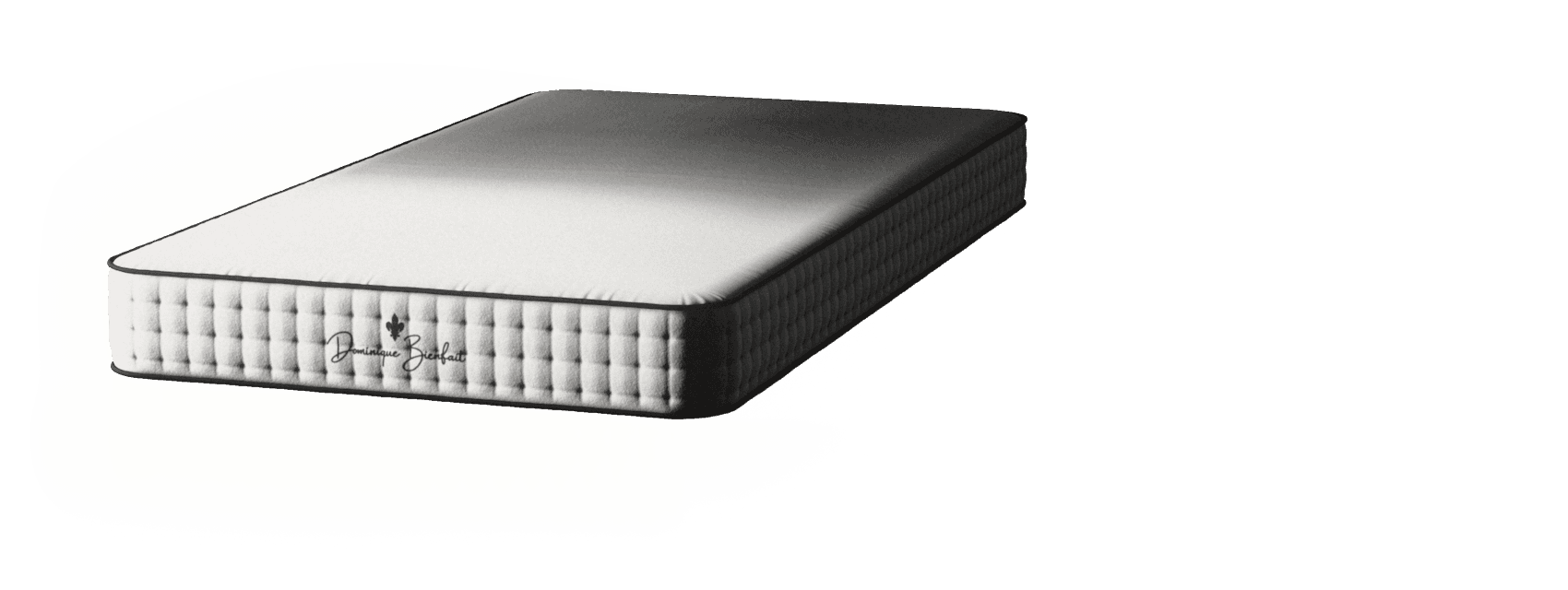
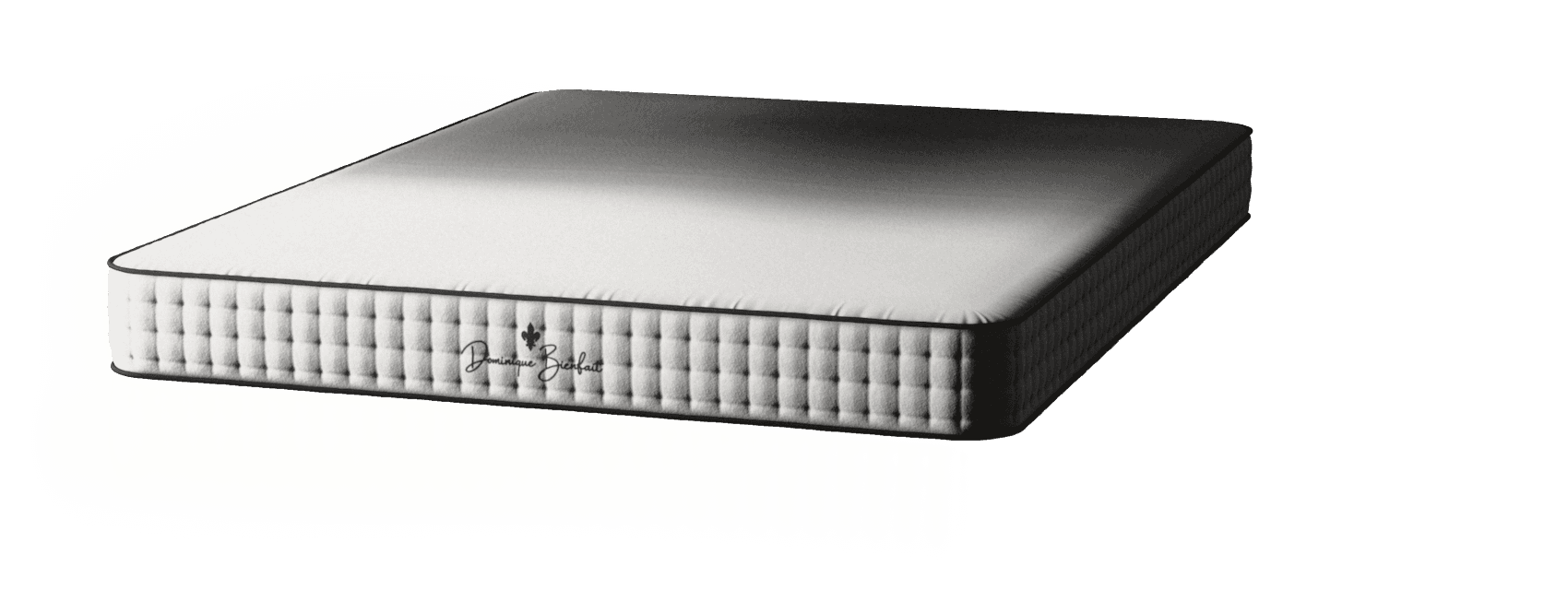
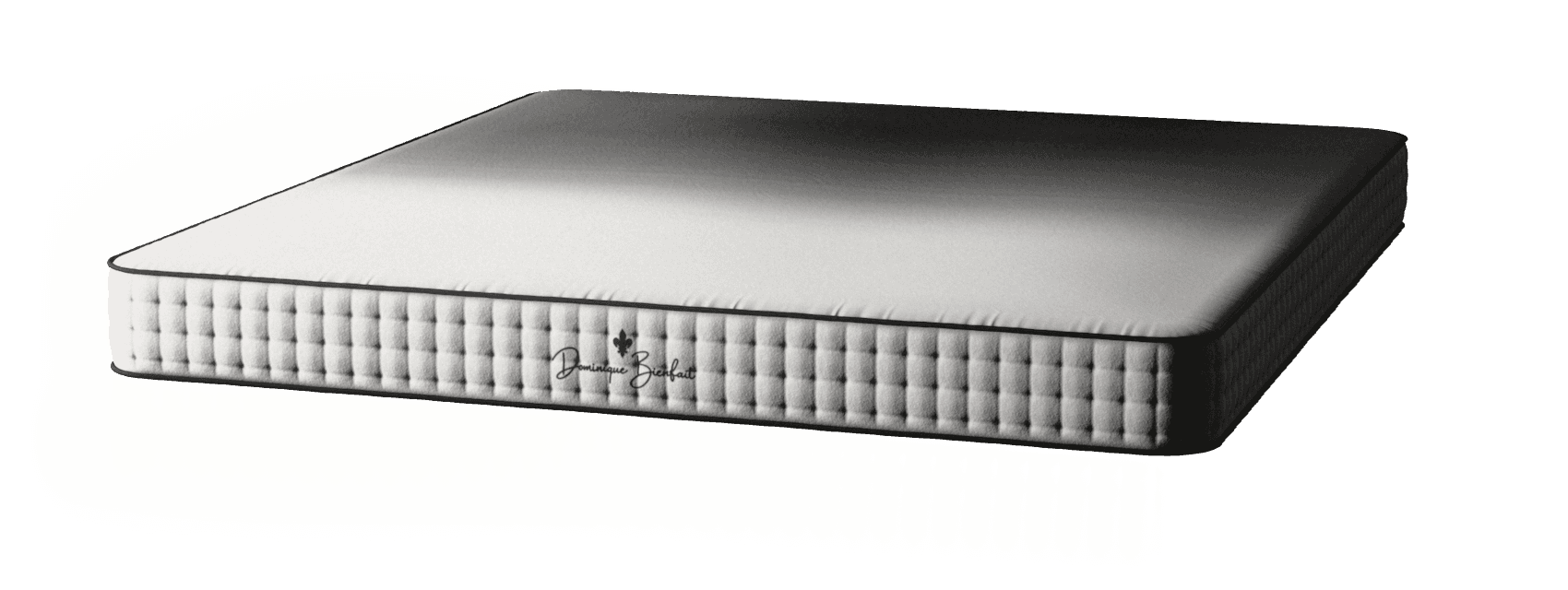
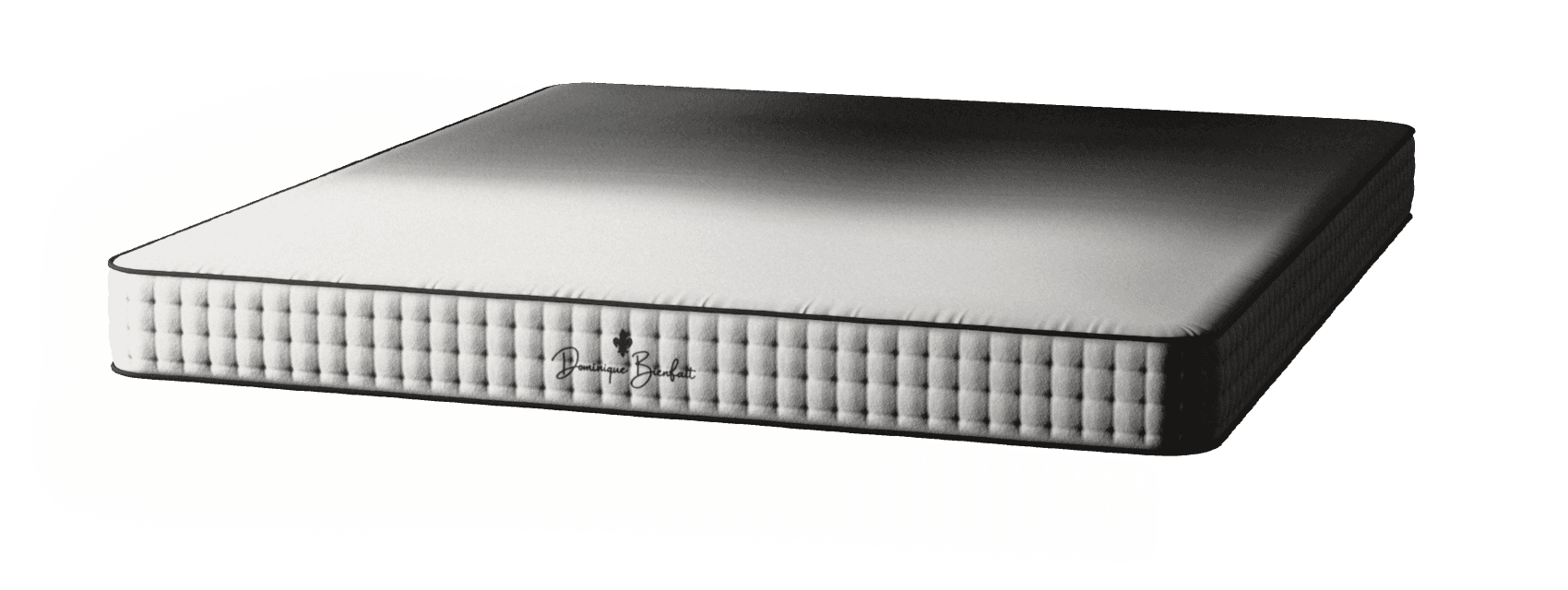
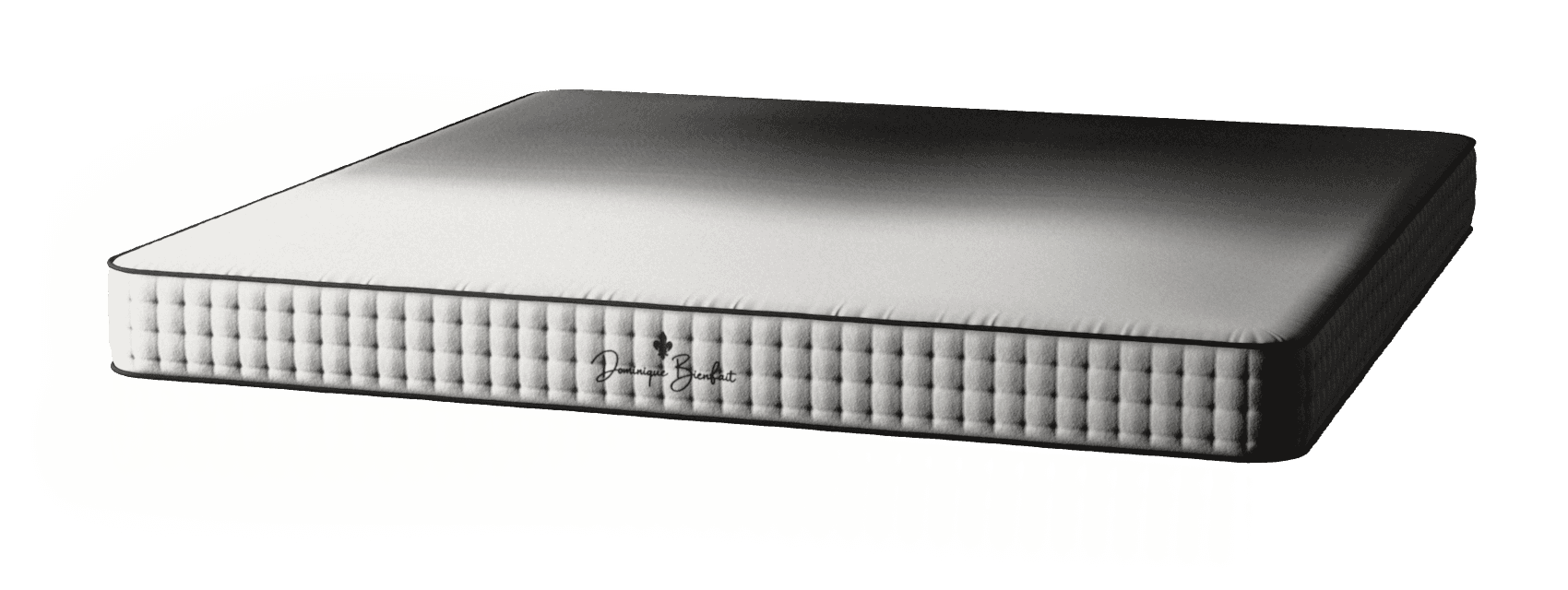
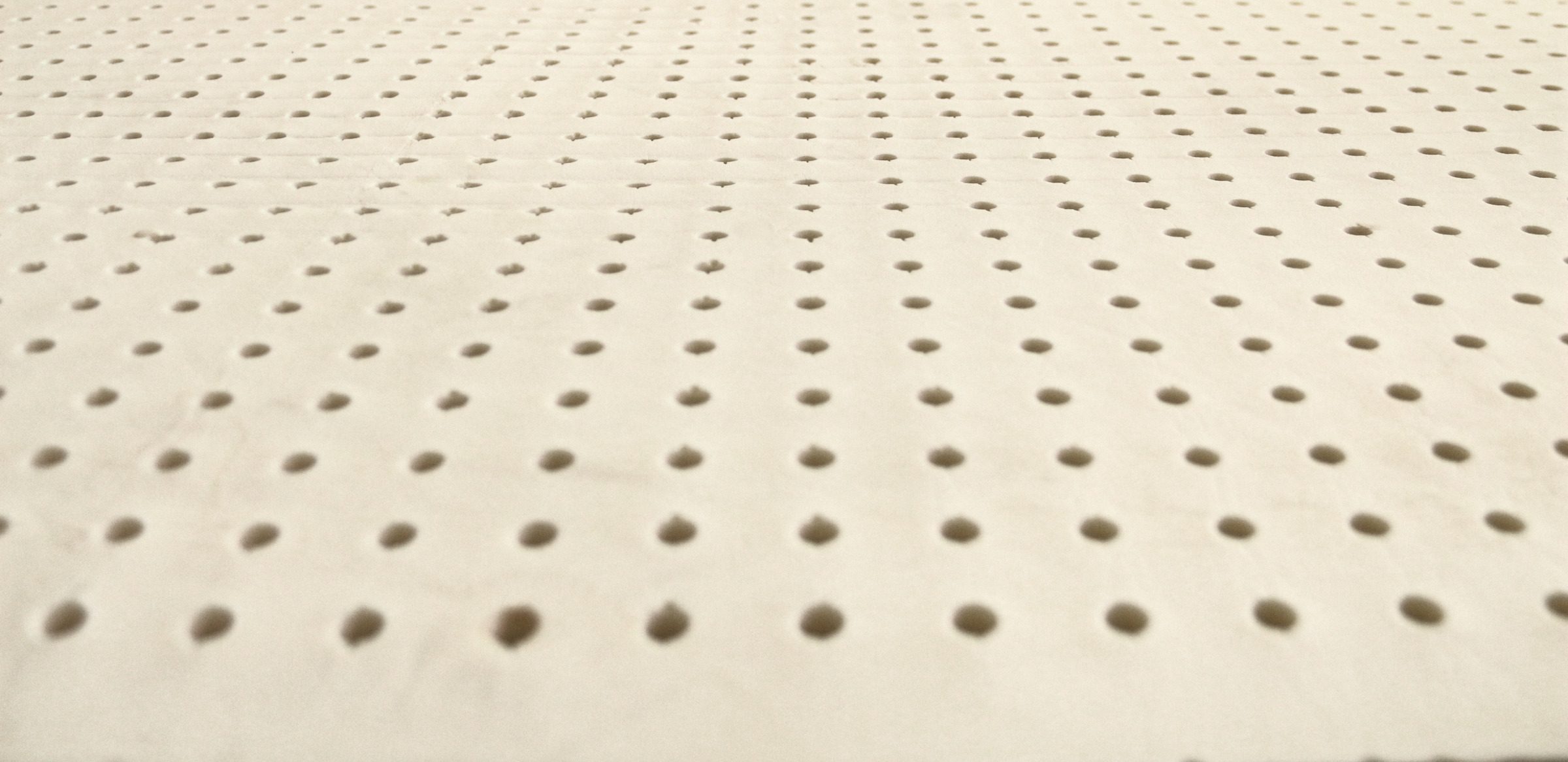
Our latex is pierced with pin holes from the mould, so air moves through the mattress while you sleep. Every depth is natural latex, in one layer or two: the 15 cm is one block of medium latex; the 20, 25 and 30 cm add a soft layer on the side you sleep on, joined to that block with natural latex. See each depth, layer by layer.
What latex cannot do is keep mites off the bed. They live on the skin we shed and in the damp a sleeping body gives off, and both reach the surface of any mattress, ours included. So the material is a good start, and the bedding and the room do the rest.
What works against mites, done in Bangkok
Hospitals and allergy charities give the same short list. Here it is, beside what it means for a bed like ours in Thailand’s air.
| What to do | What the advice says | With our mattress, in Bangkok |
|---|---|---|
| Cover the mattress | A tightly woven, breathable cover that encloses it, called the single most useful step | The cover is fixed, so a washable protector goes on top and does the work |
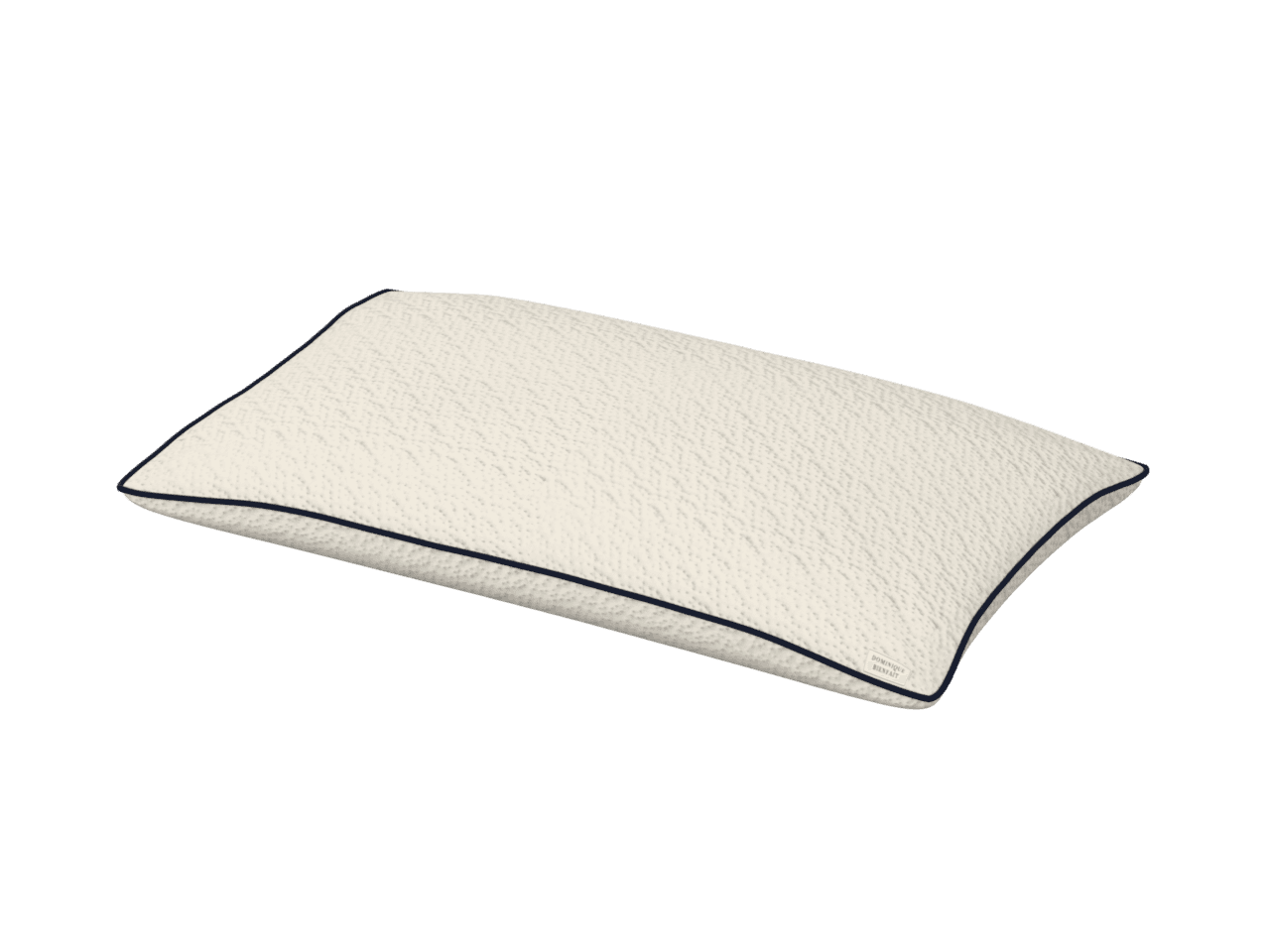
| Cover the pillows | The same covers on every pillow | Our pillow covers come off; a protector or a tight pillowcase goes under them |
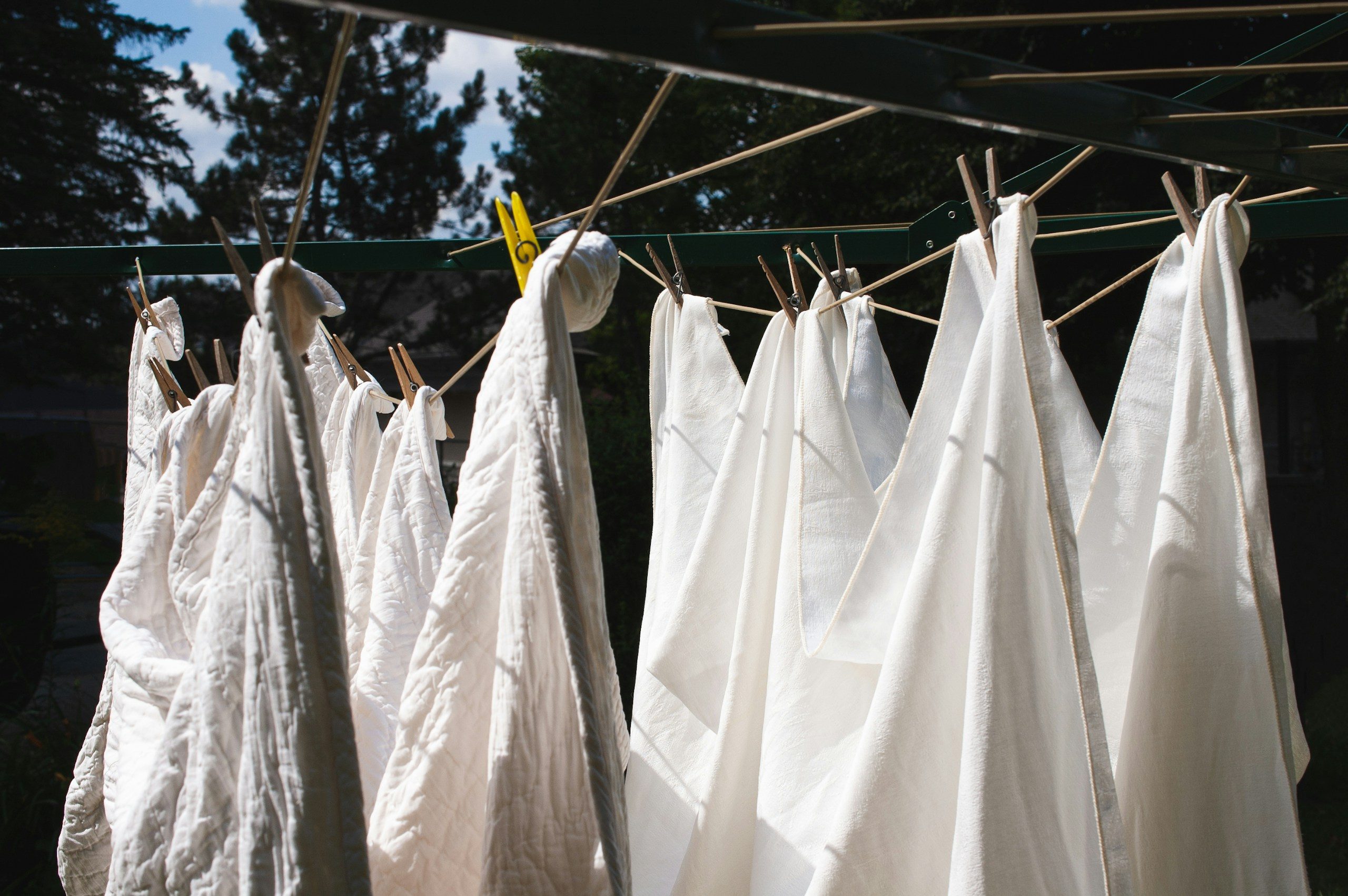
| Wash the bedding | Every week, at 60 °C or above: a cooler wash only partly kills mites | Sheets, pillowcases and the protector, more often in the rainy months |
| Dry the air | Keep the room under 50% humidity, and above 30% | The air-conditioner or a dehumidifier; a small hygrometer shows the figure |
| Clean the room | Vacuum and damp-dust once a week | With a protector on, the mattress itself needs no vacuuming |
| Skip the sprays | Anti-mite sprays help little | Nothing on the latex but a damp cloth, if anything |
In Bangkok, the air does more than the mattress
The room is the larger part. Mites thin out when the air stays below about 50 percent humidity, and Bangkok sits above that in every month of the year, so a bedroom left to the weather never reaches it. An air-conditioner dries the air as it cools it; a dehumidifier does it without the cold. A hygrometer, a small meter sold in hardware shops, tells you whether either is working.
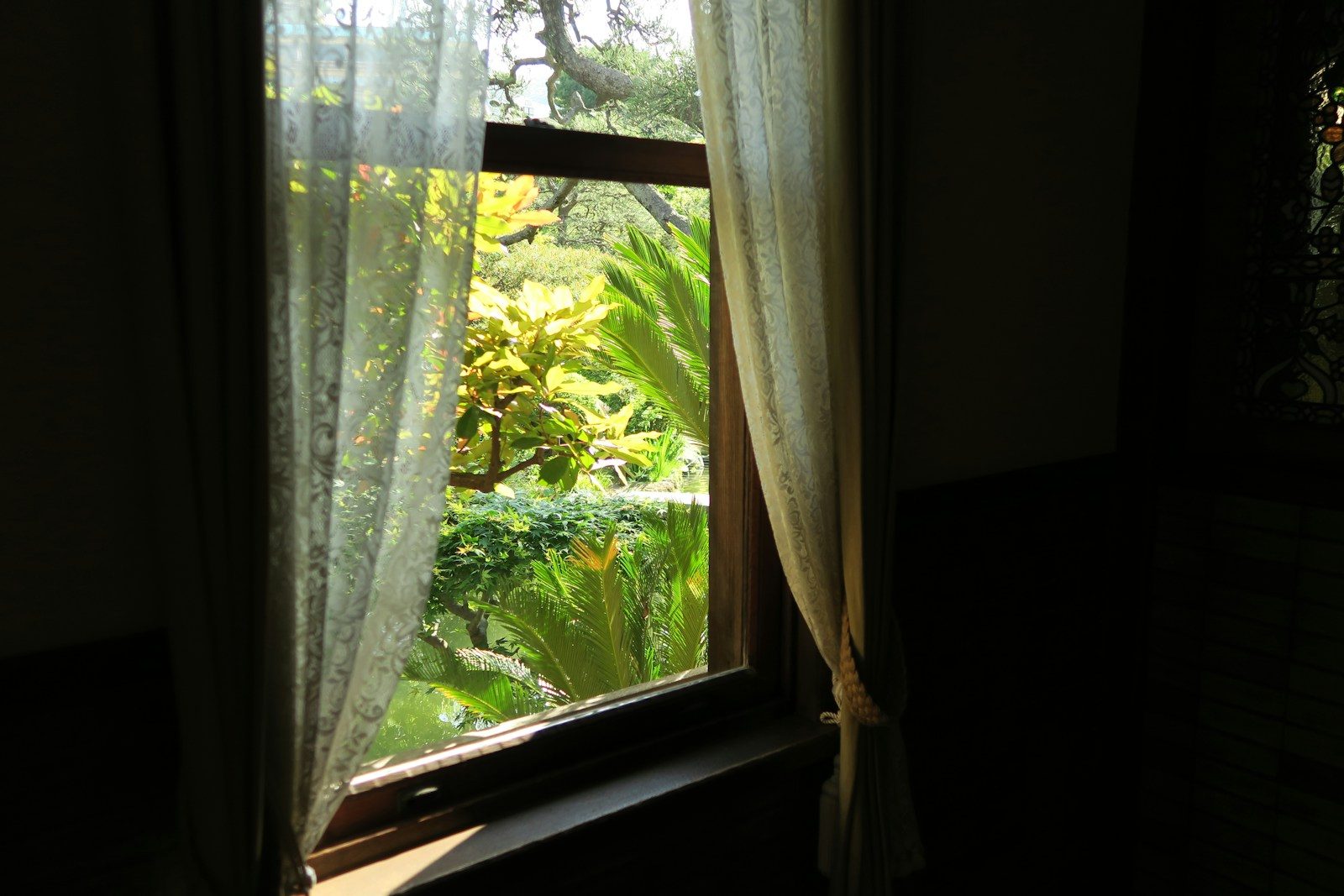
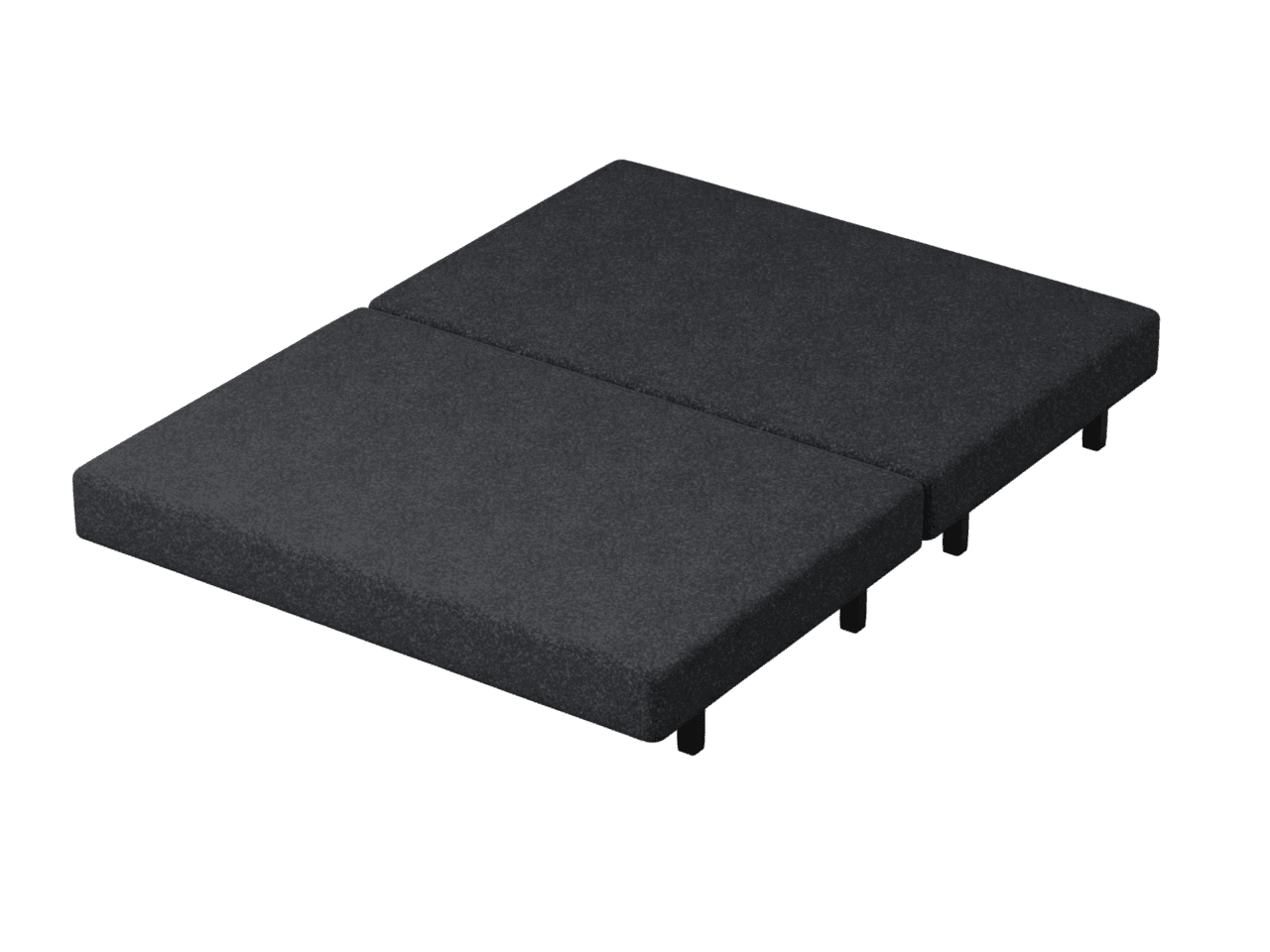
Air the bed too. Take the sheets off for a few hours now and then, and open the window or run the air-conditioner. The mattress itself needs no gap beneath it: it rests on a flat, firm surface, with a board over the slats if your bed has them, and the air moves through the latex by its pin holes. On a solid base or on the floor, lift it now and then in the rainy months to air the underside (what to put under a latex mattress).
One habit to leave behind with latex: putting the mattress out in the sun. Sunlight slowly makes latex brittle, so keep it in the shade, even to dry it. For the rest of life in a humid climate, read sleeping on latex in Thailand’s heat.
The cover stays on, so the protector does the washing
Our mattress cover is fixed to the mattress: quilted, with organic cotton on the side you sleep on and lyocell in its weave. It is not taken off to wash. That is why the protector matters so much on our beds: it takes the skin, the sweat and the spills, and it goes in the machine every week.

A protector on the mattress
Tightly woven and breathable, cotton rather than plastic, which holds damp against the latex. It should cover the whole sleeping side.
Covers on the pillows
A protector or a close pillowcase under the pillow’s own cover.
Sheets and protector washed every week
At 60 °C or above where the fabric allows, and more often in the rainy months.
Air now and then
Strip the bed for a few hours, with the window open or the air-conditioner on.
If something spills, never soak the mattress: blot it at once with a clean cloth, do not rub, dab with a cloth wrung out in cool water and a drop of mild soap, and let it dry in a shaded, airy room. No bleach and no strong products on latex.
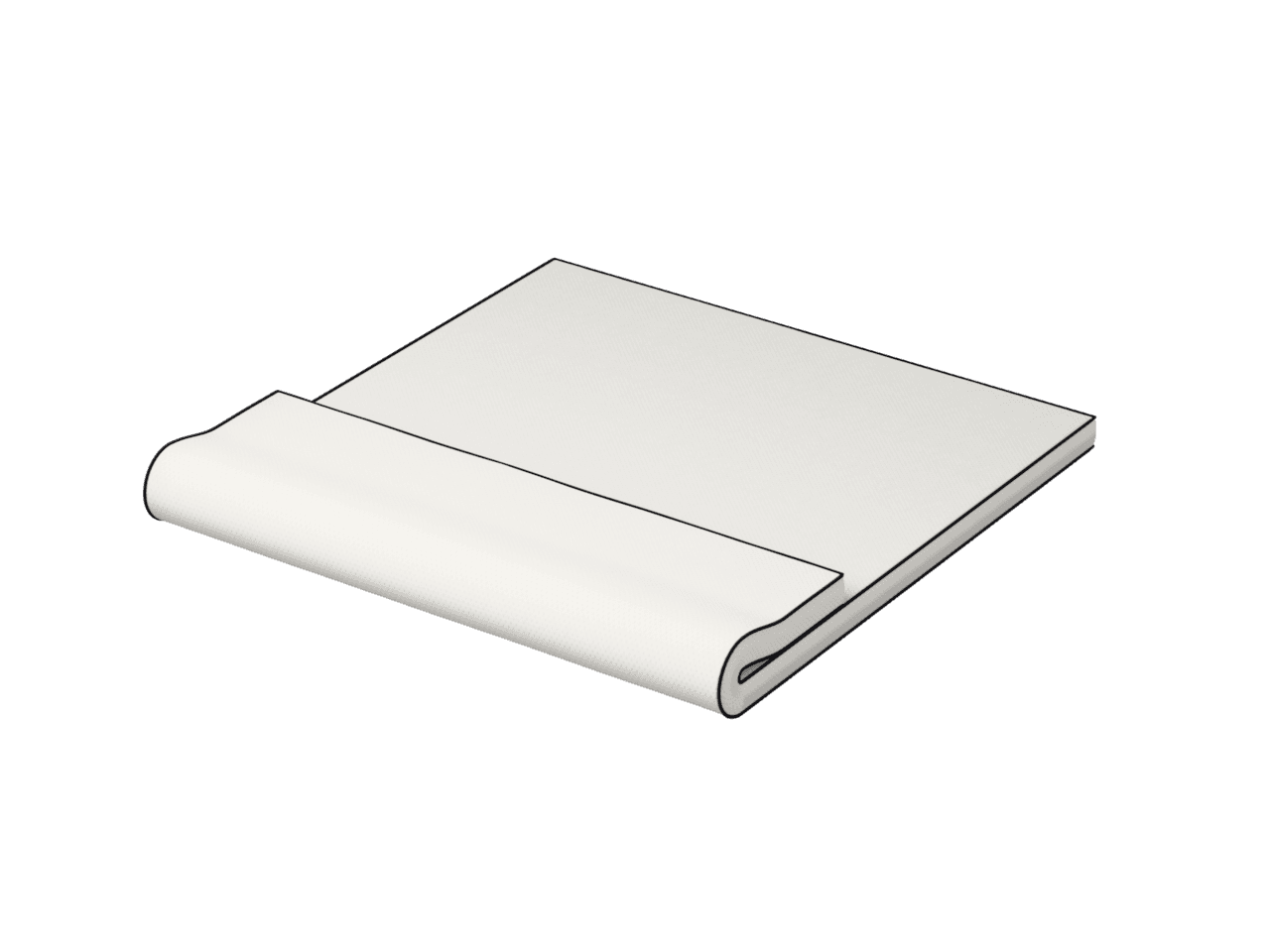
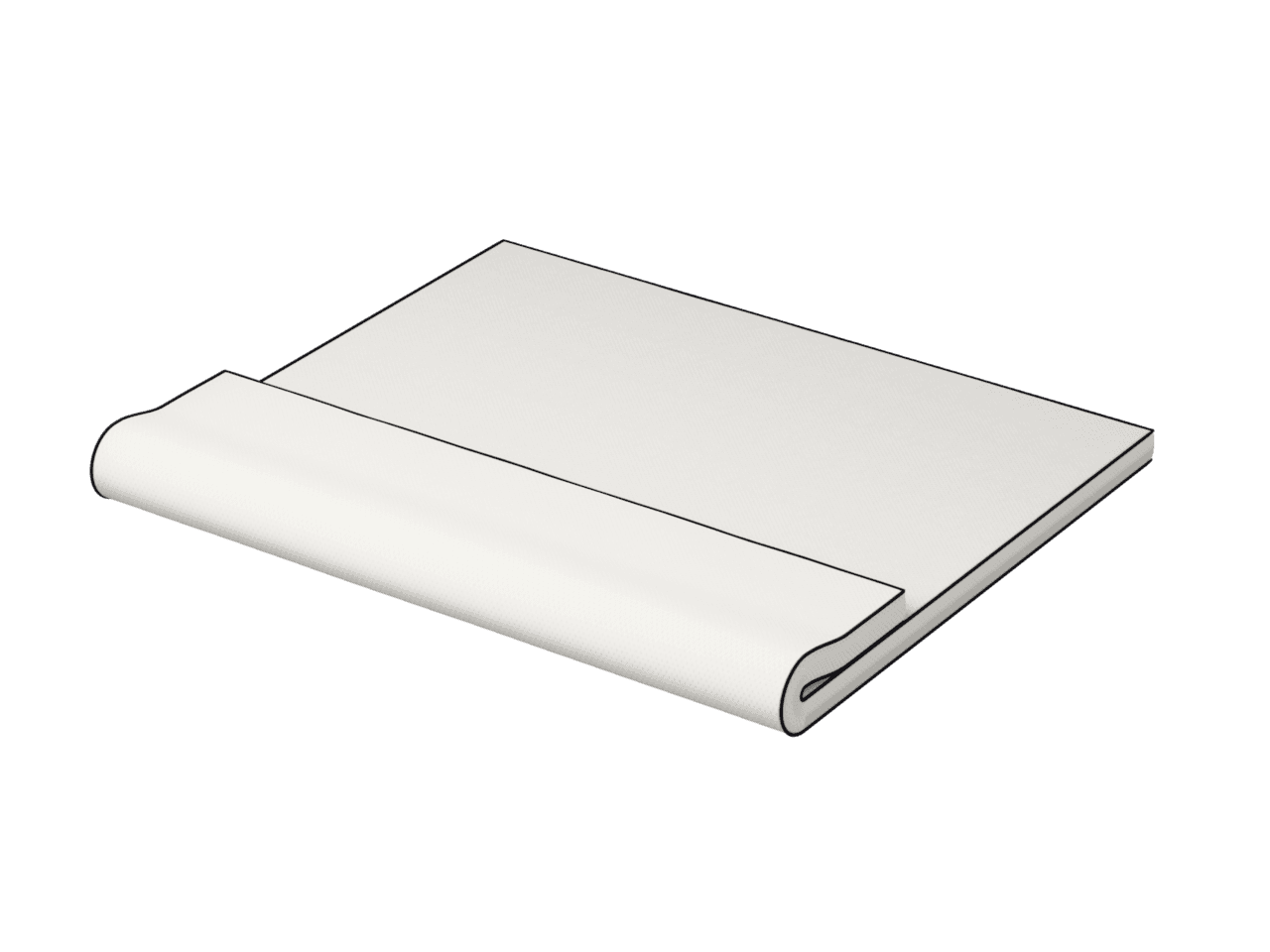
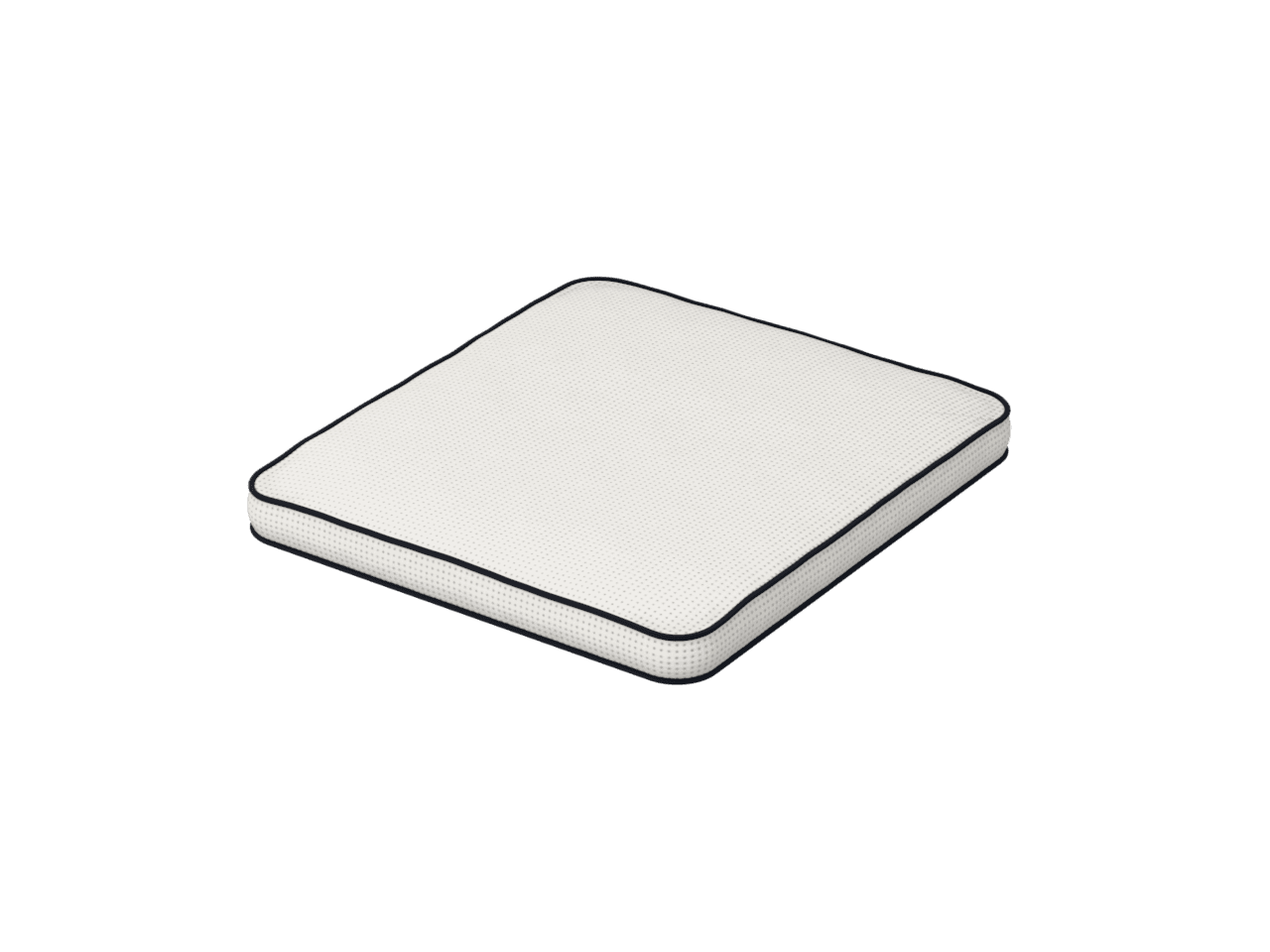
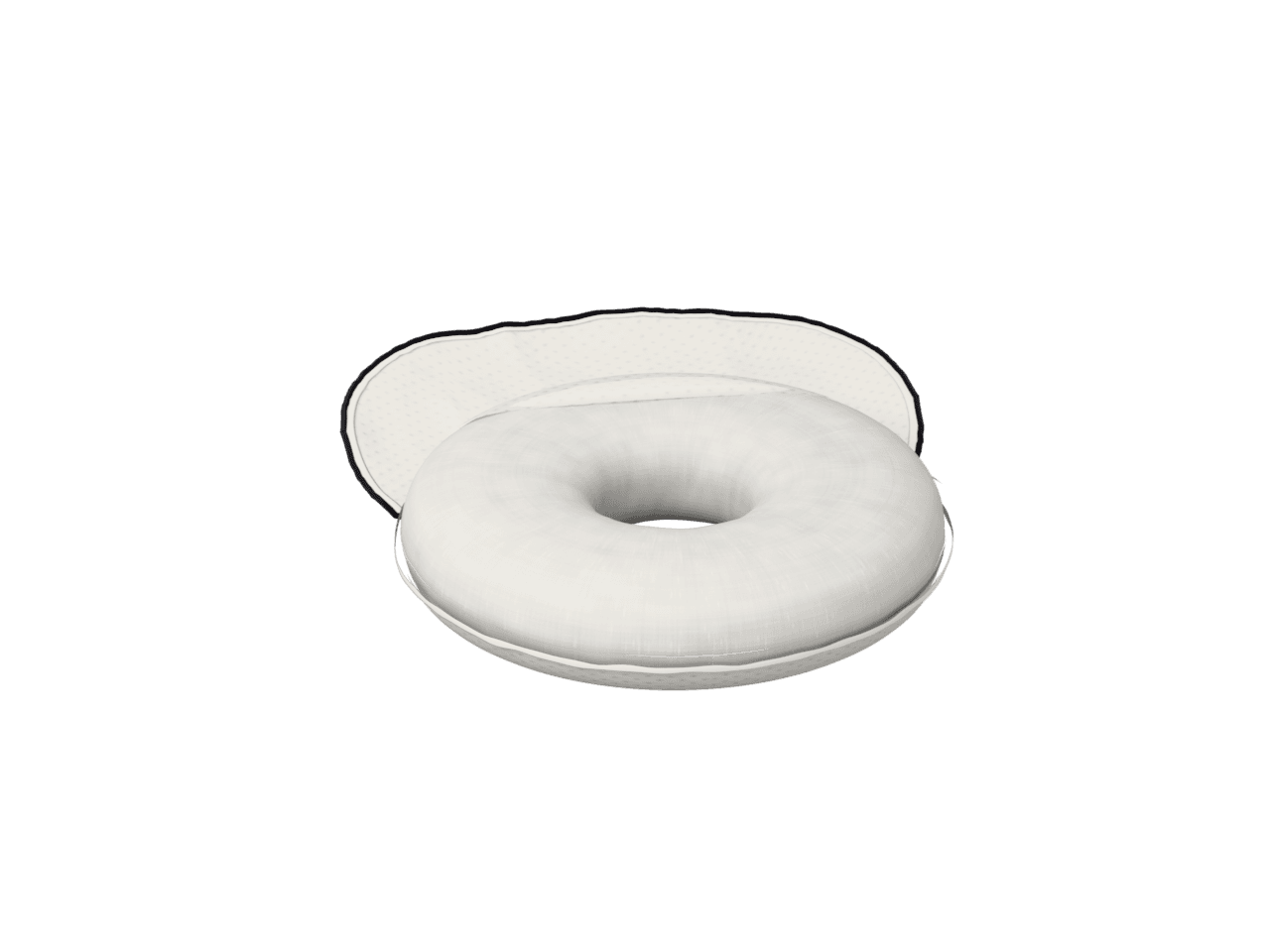
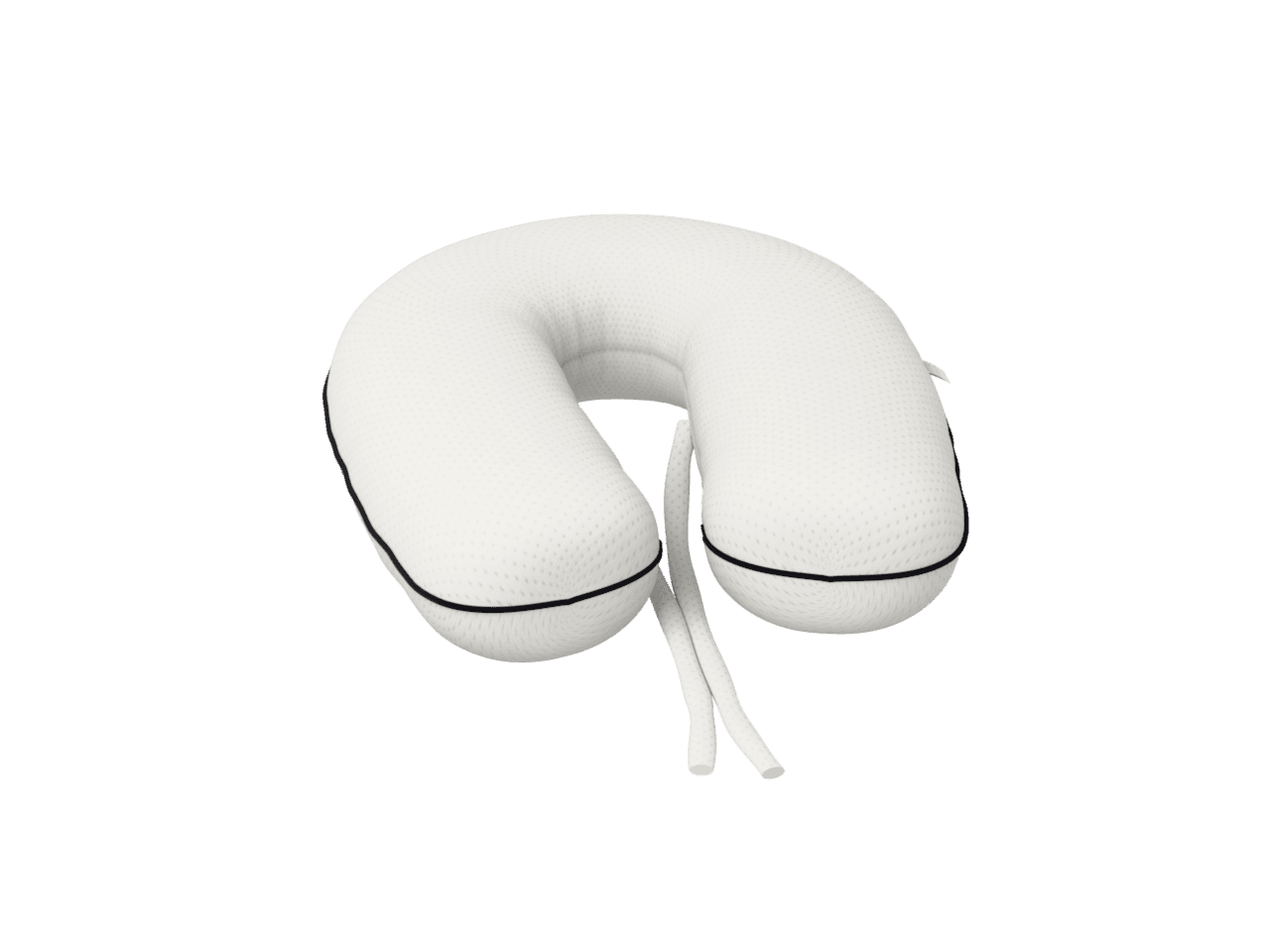
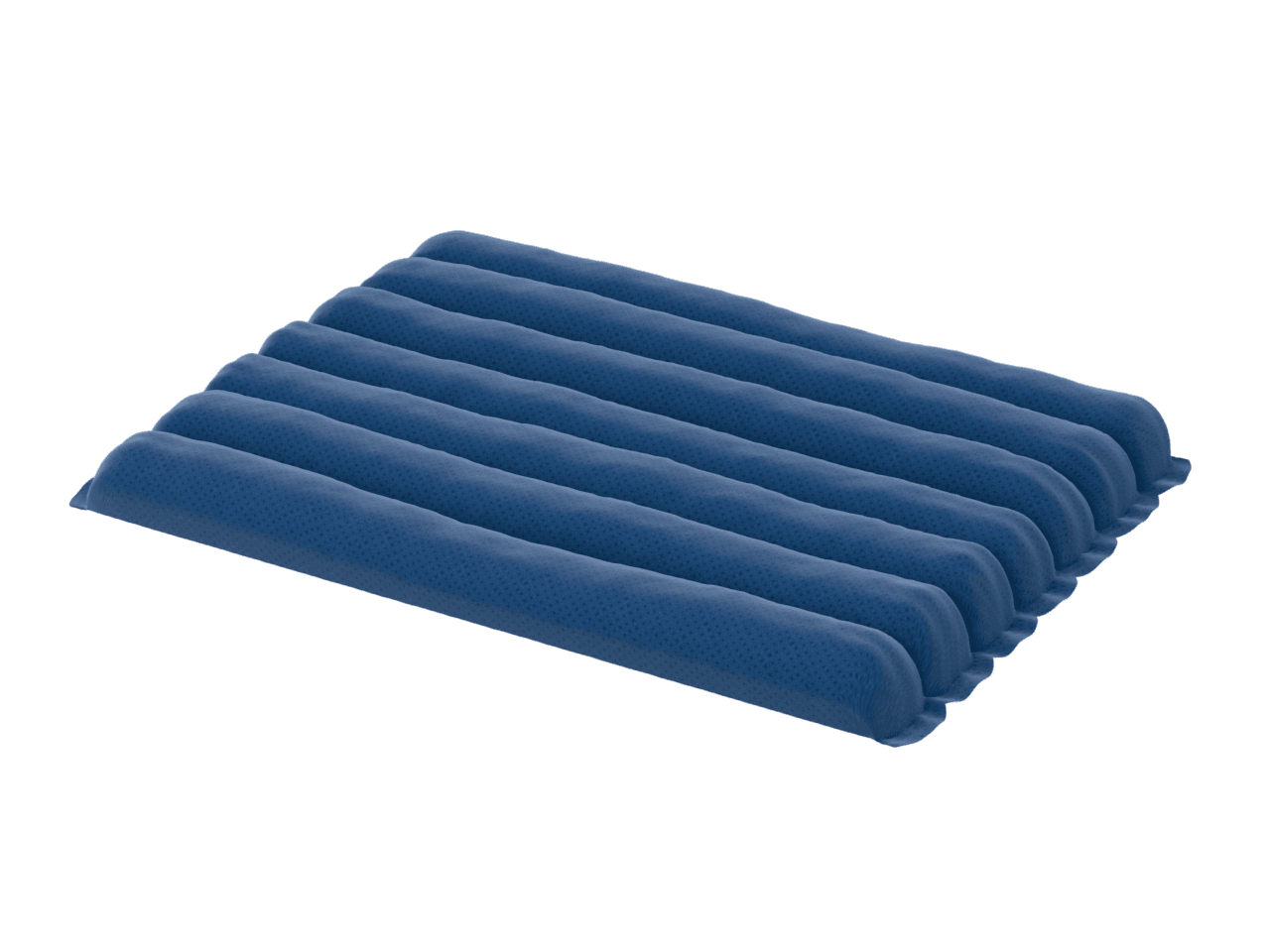
Pillows and toppers: their covers come off
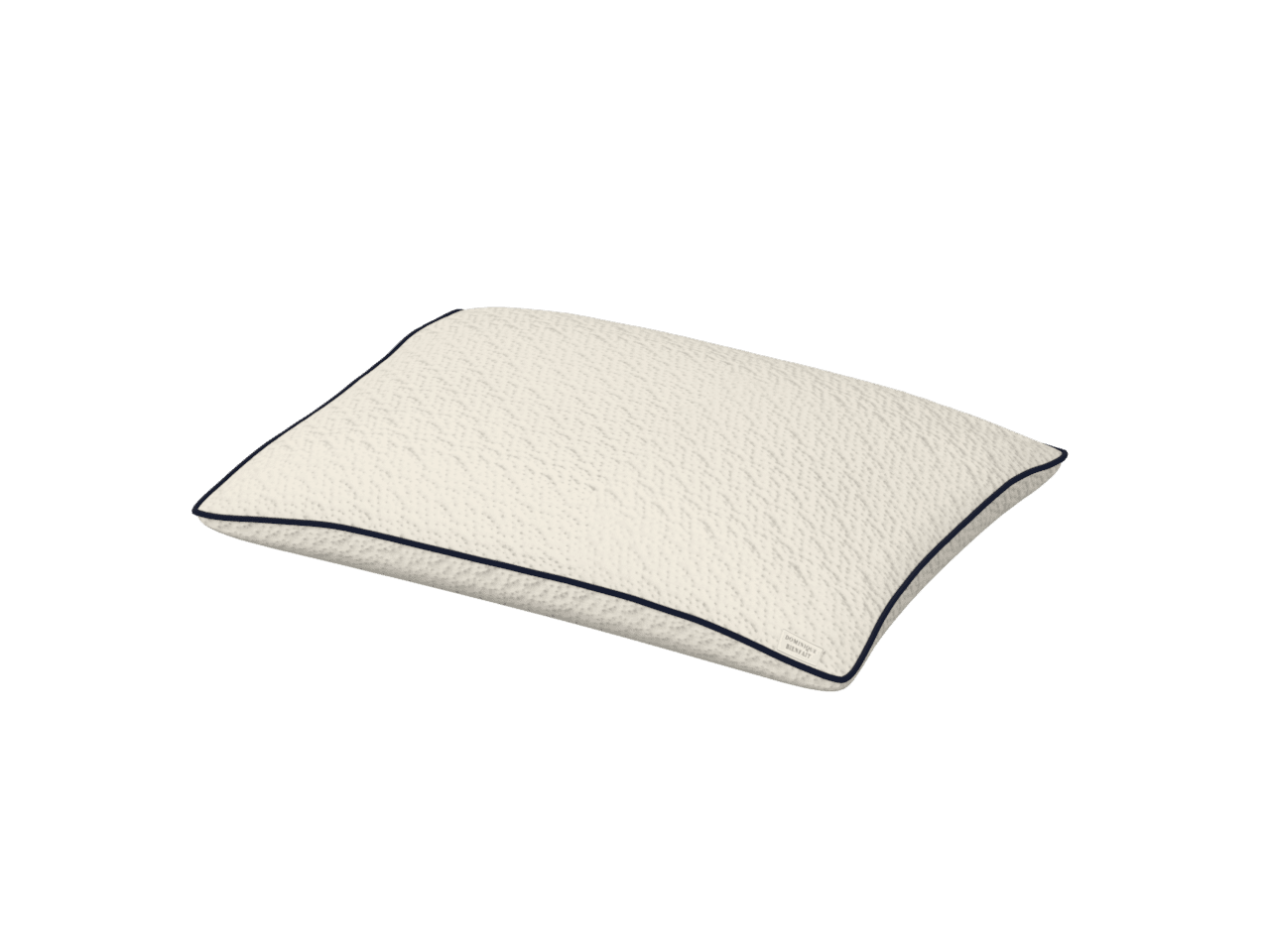
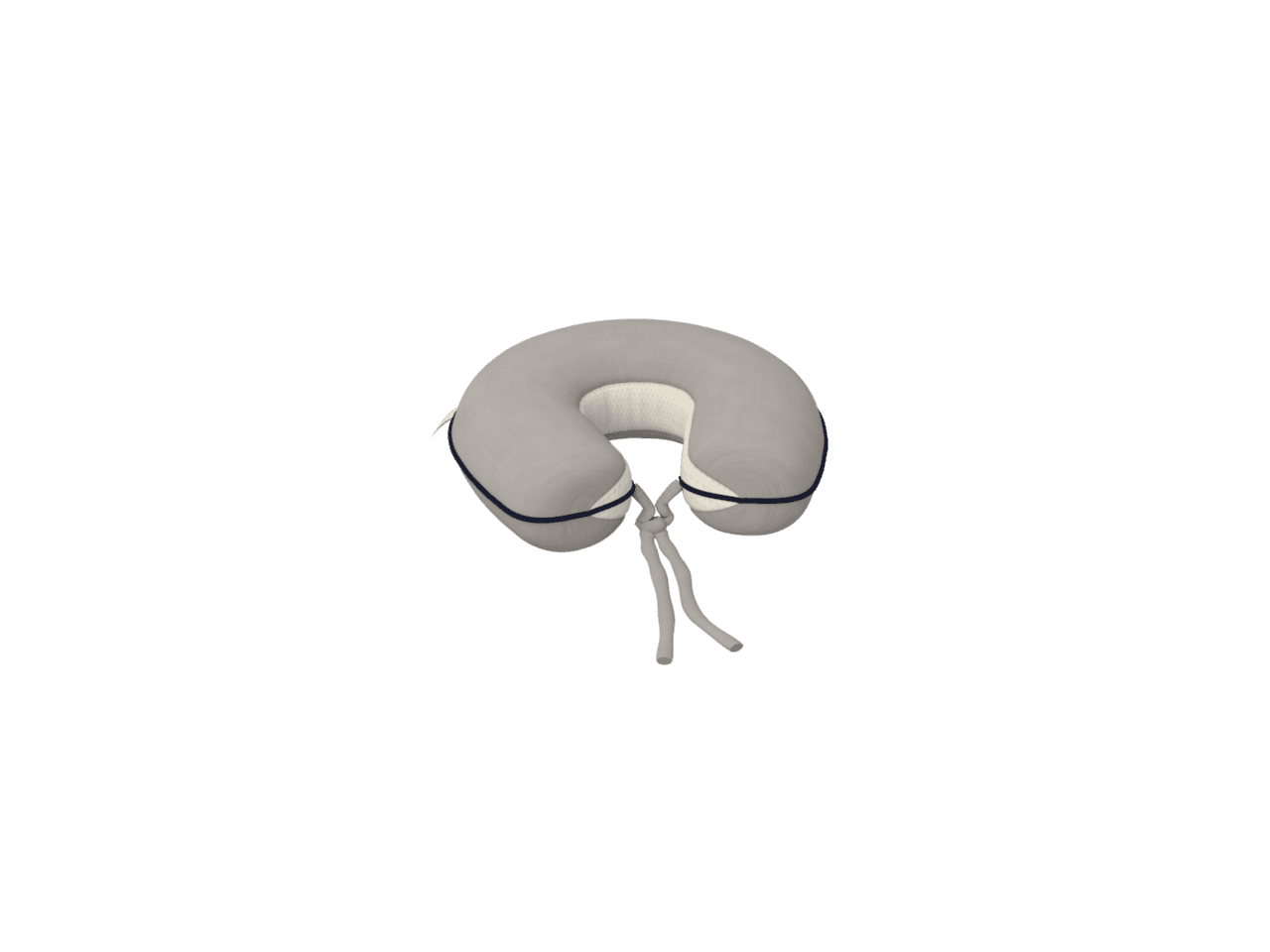
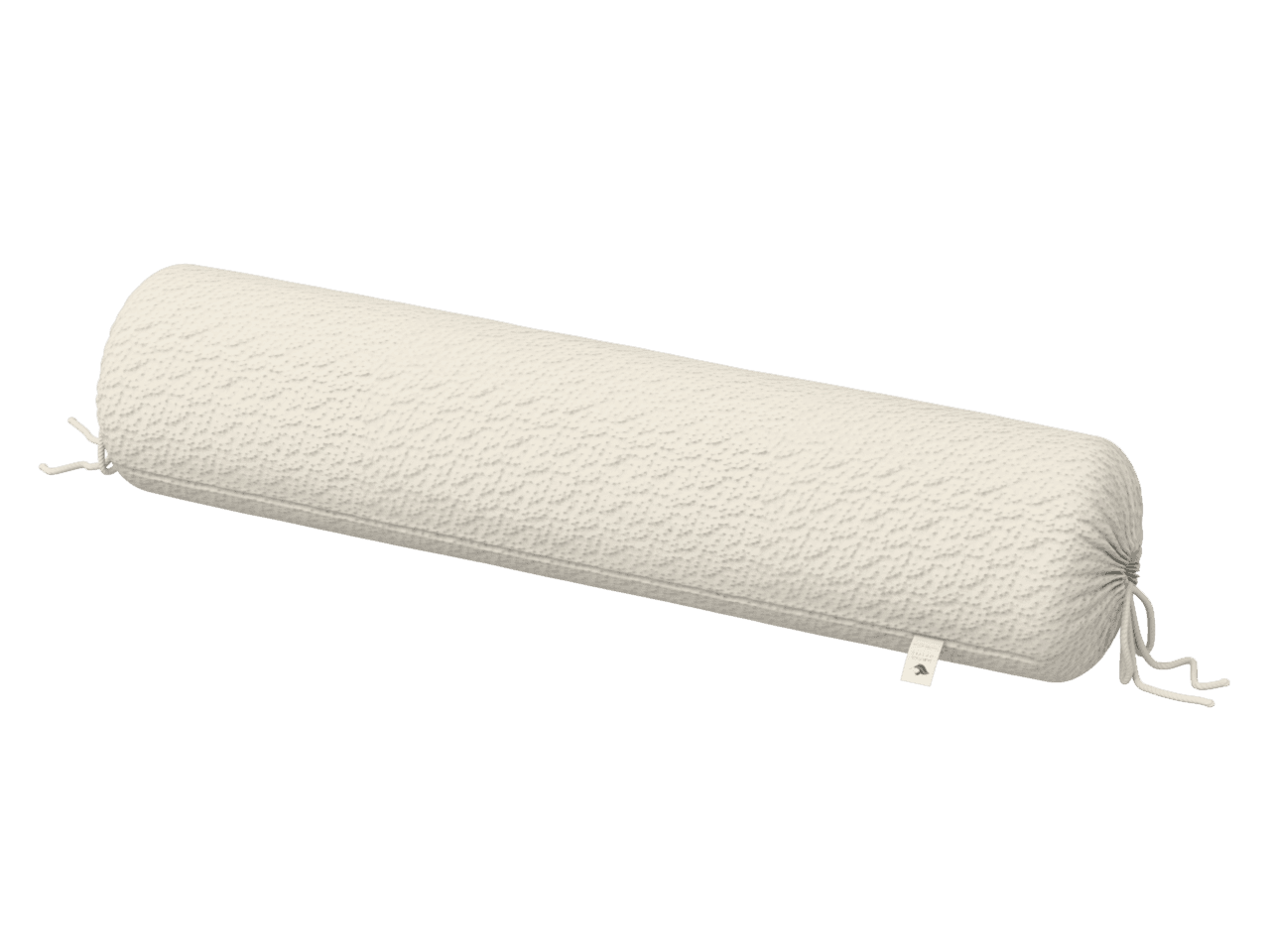
The covers of our pillows and toppers come off, so they can be cleaned as often as the bedding. Follow each one’s care: the cover of the latex pillow goes to the dry cleaner; the neck pillow and the bolster have covers you can wash.
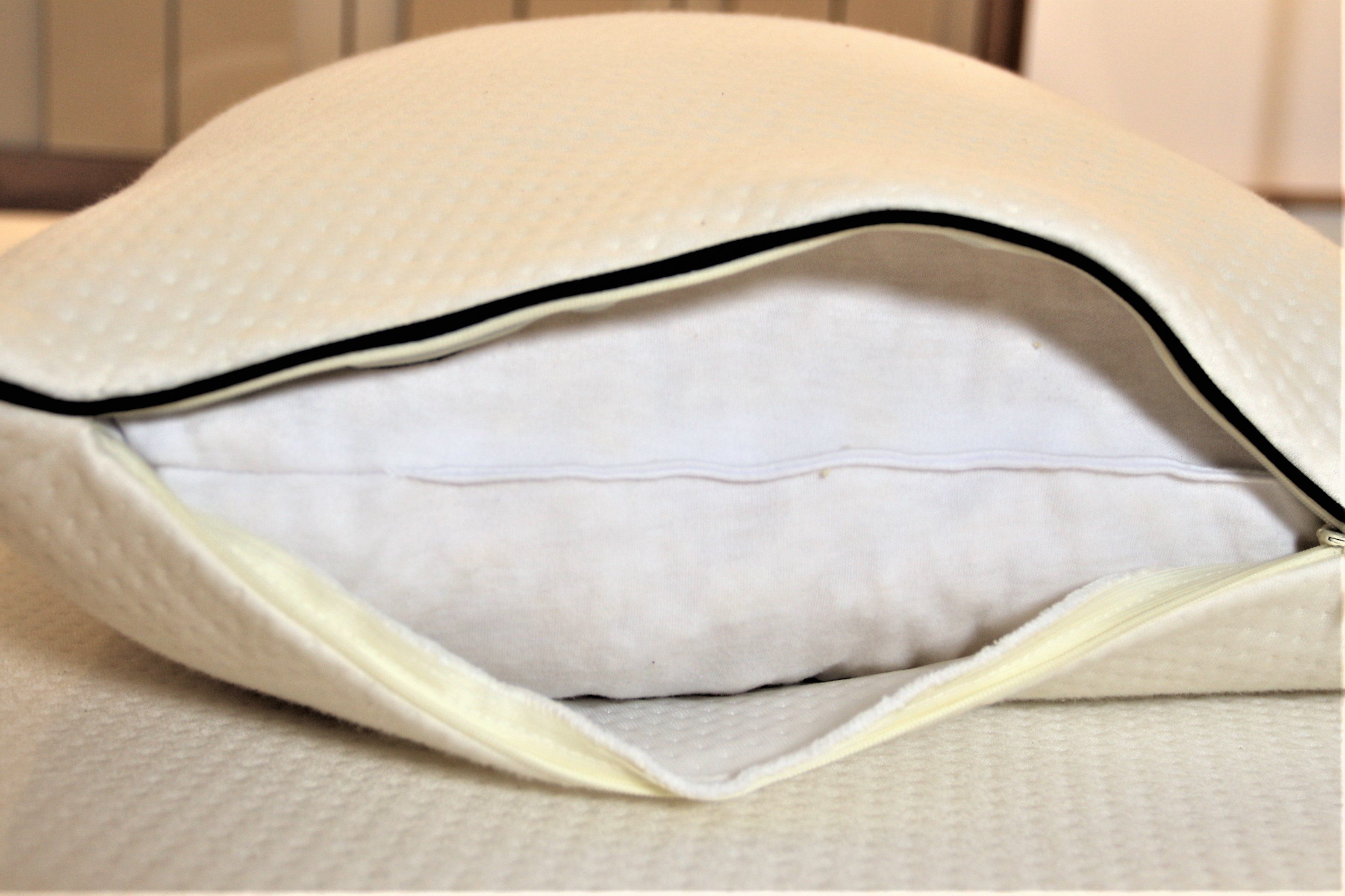
The latex inside is never washed, soaked, tumble-dried or put in the sun. Air it in the shade for a few hours every month or so, and shake a flake pillow back into shape while you do.
A topper on an older mattress is still a bed: it wants a protector over it and the same weekly washing.
When to see a doctor
If you wake with a blocked or running nose, itching or a rash, see a doctor. A doctor can test whether mites are the cause; a mattress cannot tell you, and neither can we.
If you have a latex allergy, speak to your doctor before you choose a latex mattress or pillow. The allergy is to proteins in natural rubber latex, which is what our mattresses are made of.
Questions we are often asked
Is a natural latex mattress good for dust mite allergy?
Natural latex is commonly described as resistant to dust mites, and air moves through it, so it is a good start. It does not keep mites off the bed on its own: with an allergy, a tightly woven protector, hot-washed bedding and a drier room count for more, and your doctor has the last word.
How do I get rid of dust mites in my mattress?
You can make them far fewer, never none. Put a tightly woven protector on the mattress, wash it and the sheets every week at 60 °C or above, and keep the room below about 50 percent humidity with the air-conditioner or a dehumidifier. Sprays help little.
Is there an anti dust mite mattress?
No mattress is immune: mites live on the skin we shed, which reaches any bed. Some materials are described as resisting them better than others, natural latex among them, but the protector over the mattress does more than the mattress itself.
Can I put a latex mattress in the sun to kill dust mites?
Please do not. Sunlight slowly makes latex brittle. Air it in the shade, with the window open or the air-conditioner on, and let the hot wash of the protector and sheets do the work.
Can a rash come from dust mites on the mattress?
Mites are the most common indoor allergen among adults tested for allergic rhinitis at Siriraj Hospital, and the bed is where they live. Only a doctor can say what causes a rash, so see one; if it is mites, the steps on this page are what the advice comes to.
Can I wash the cover of your mattress?
No. Our mattress cover is fixed to the mattress. Put a washable cotton protector on it, and wash that instead, every week.
I have a latex allergy. Can I sleep on natural latex?
Speak to your doctor before you choose a latex mattress or pillow. The allergy is to proteins in natural rubber latex.
Lie on one before you choose
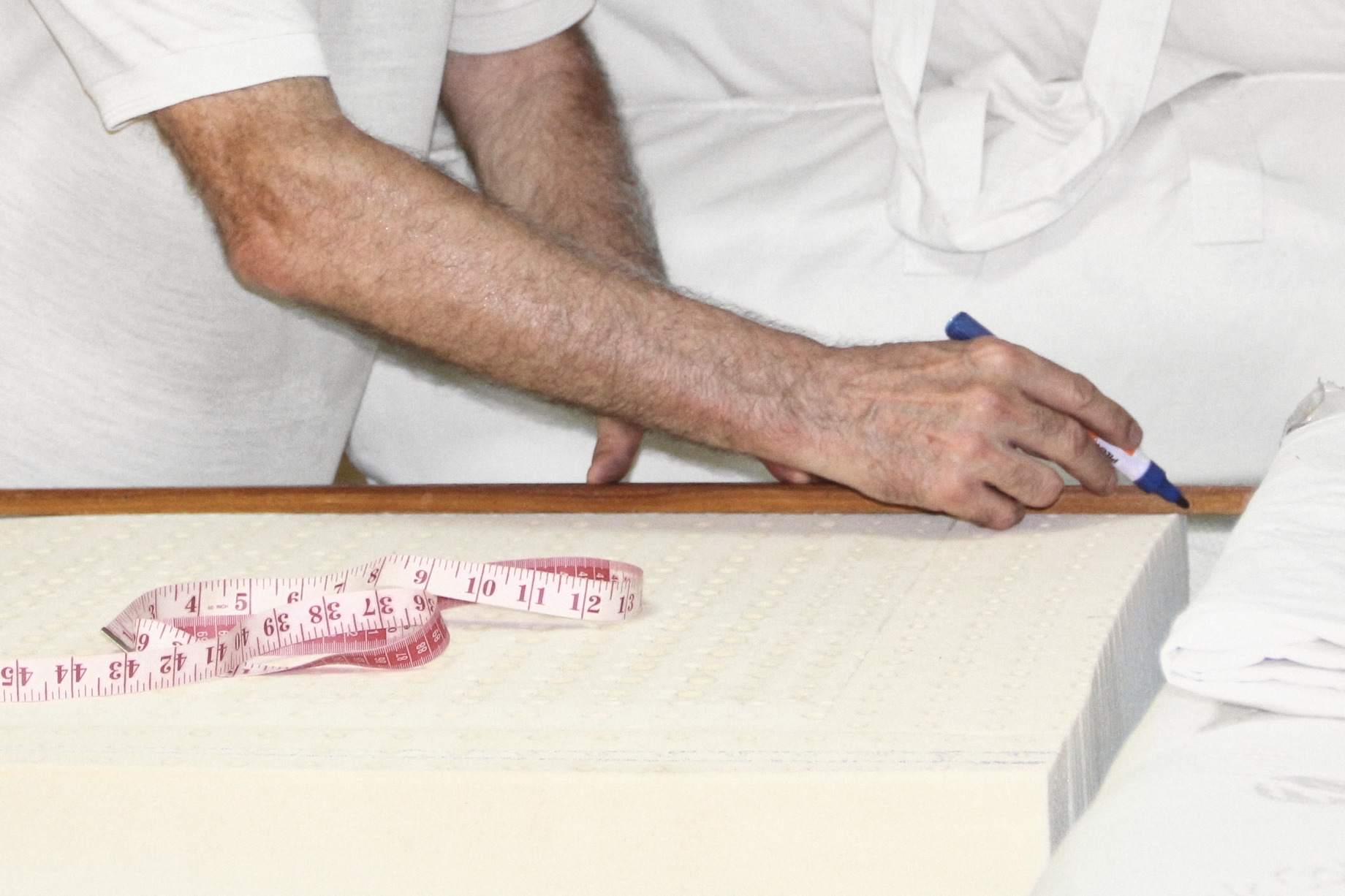
Every mattress we make is made to order, by hand, in our workshop in Prawet, Bangkok, in the size you need. Come to the showroom inside the workshop and lie on the 15 cm and the 25 cm, Monday to Saturday, by appointment: tell us a day that suits you and we confirm the time. We can also visit your home to see the bed.
Questions about mites, a protector or a pillow: call or write on WhatsApp to +66 89 108 8889 (English, French) or +66 83 980 5623 (English, French, Thai), or use the contact form.
Read next
What is natural latex? 100% vs blended latex
Natural latex is a foam made from the sap of the rubber tree.

Is natural latex good in Thailand’s heat and humidity?
Natural latex has pin holes so air moves through it; the room, the sheets and a protector decide the rest.
Read on
How do you care for a natural latex mattress?
A flat surface, no direct sun, a washable protector, a closed cover, and four steps for a stain.

Come and lie on one
The showroom is inside our workshop in Prawet, Bangkok. Tell us a day that suits you and we confirm the time.
Prawet, Bangkok 10250
Directions (opens in a new tab)
- Monday to Friday, 9:00 to 18:00
- Saturday, 9:00 to 17:00
Monday to Friday, 9:00 to 18:00; Saturday, 9:00 to 17:00
- +66 89 108 8889WhatsAppEnglish, French
- +66 83 980 5623WhatsAppEnglish, French, Thai


Natural Living Concept322 Soi 16, Pattanakarn 61