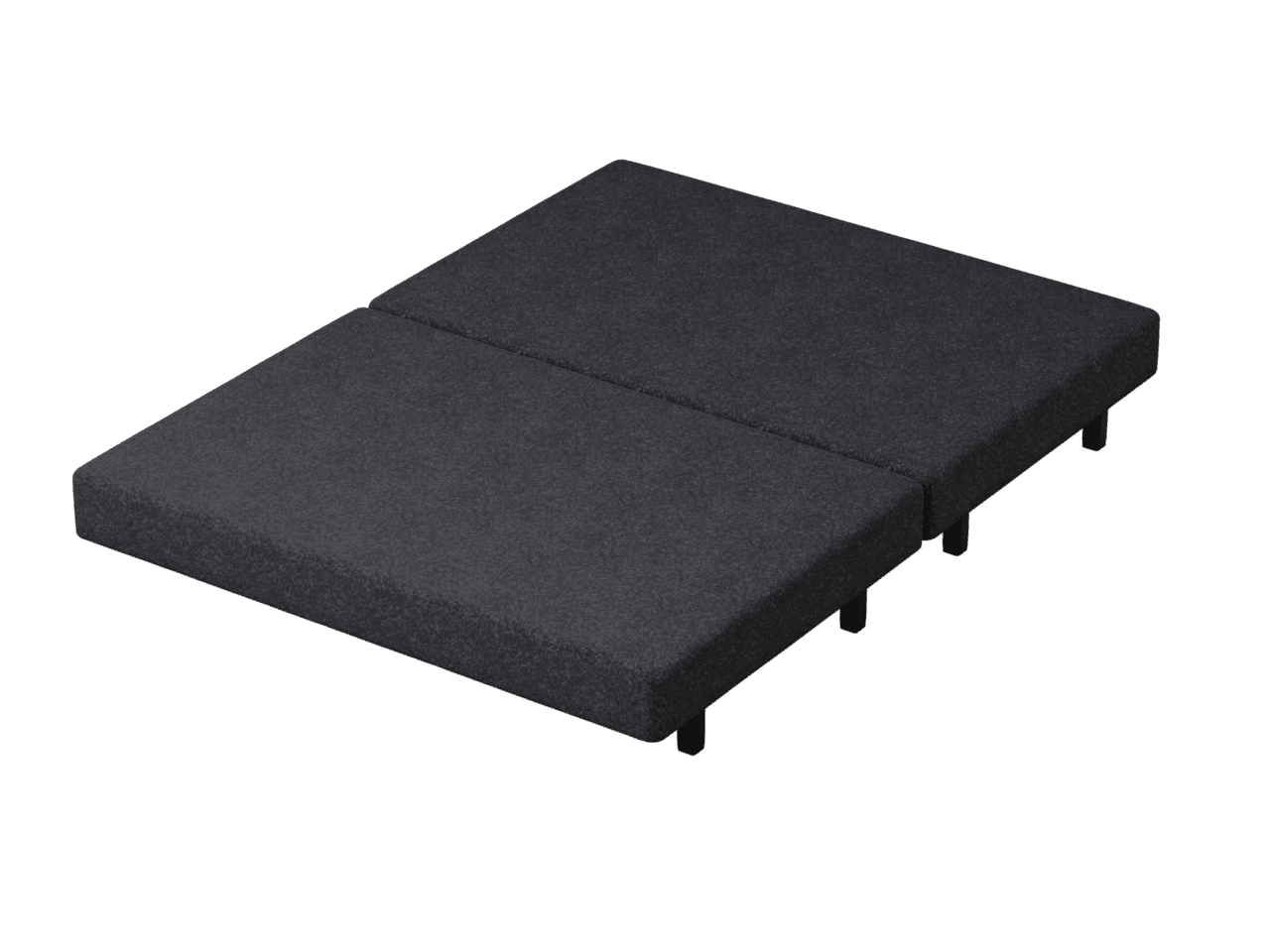
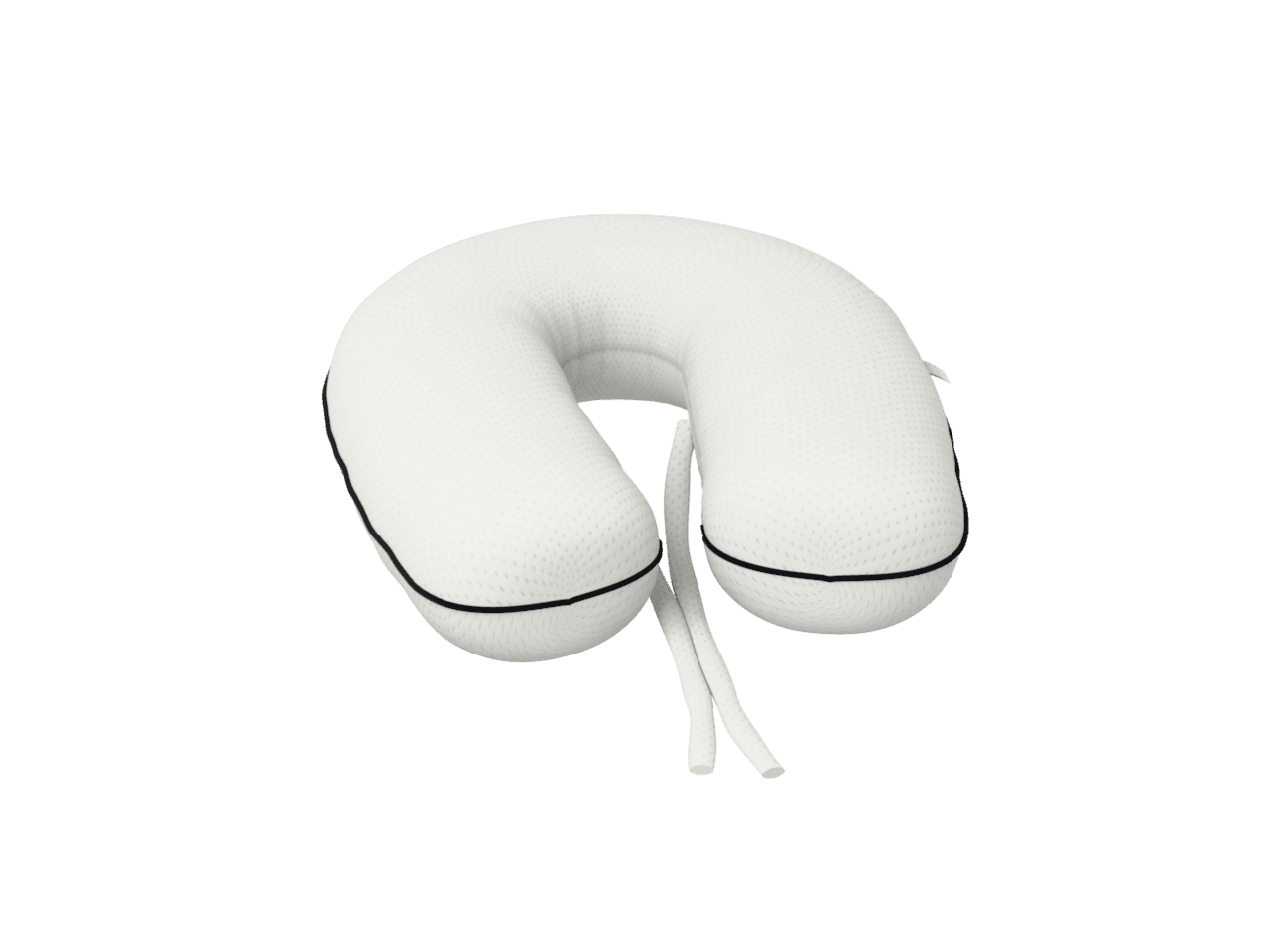
Before the mattress, the tree
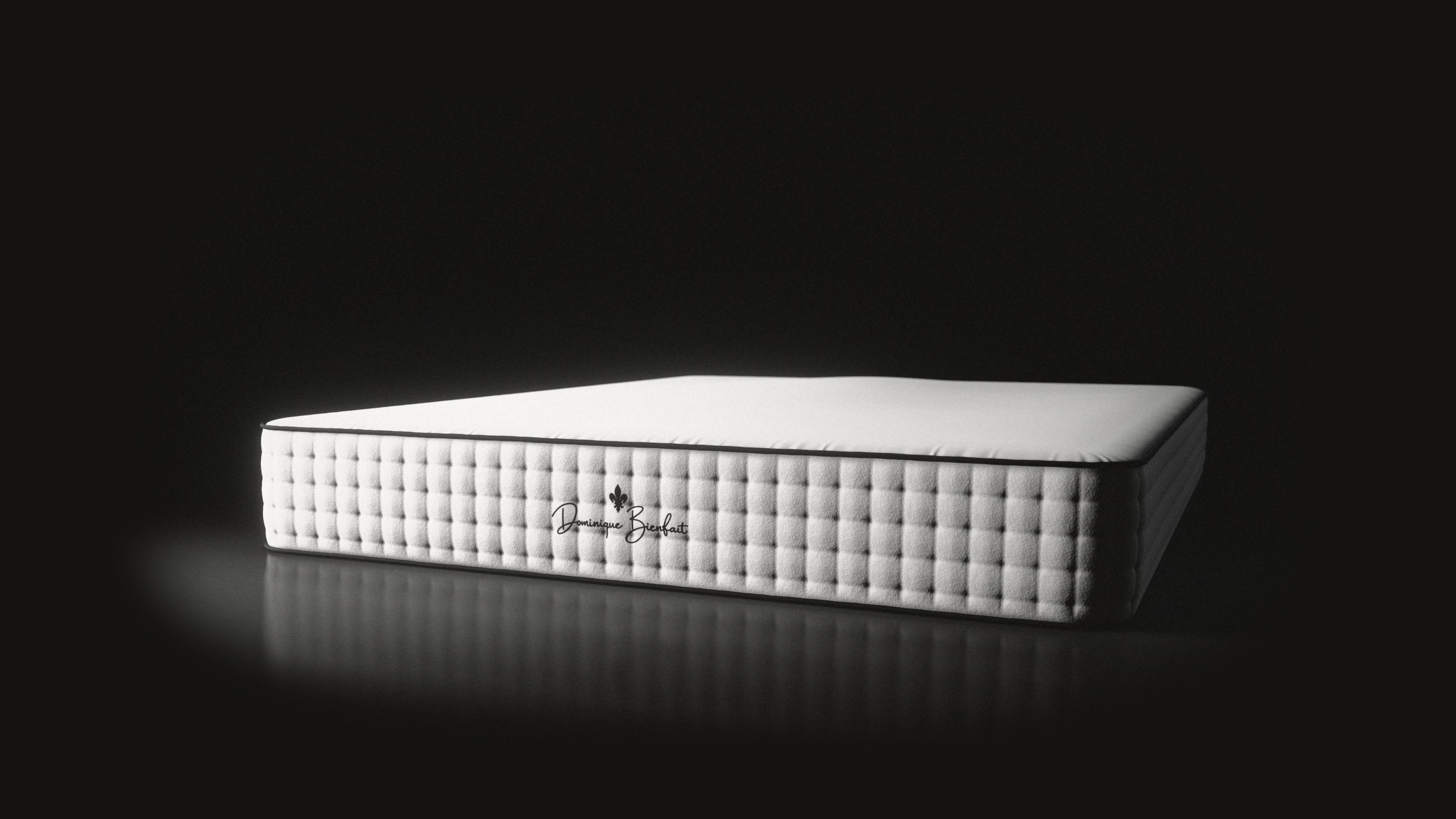
The core of every mattress we make is 100% natural latex, the white latex of the rubber tree. A tree gives it for more than thirty years without being felled, and at the end of its life its wood goes into furniture.
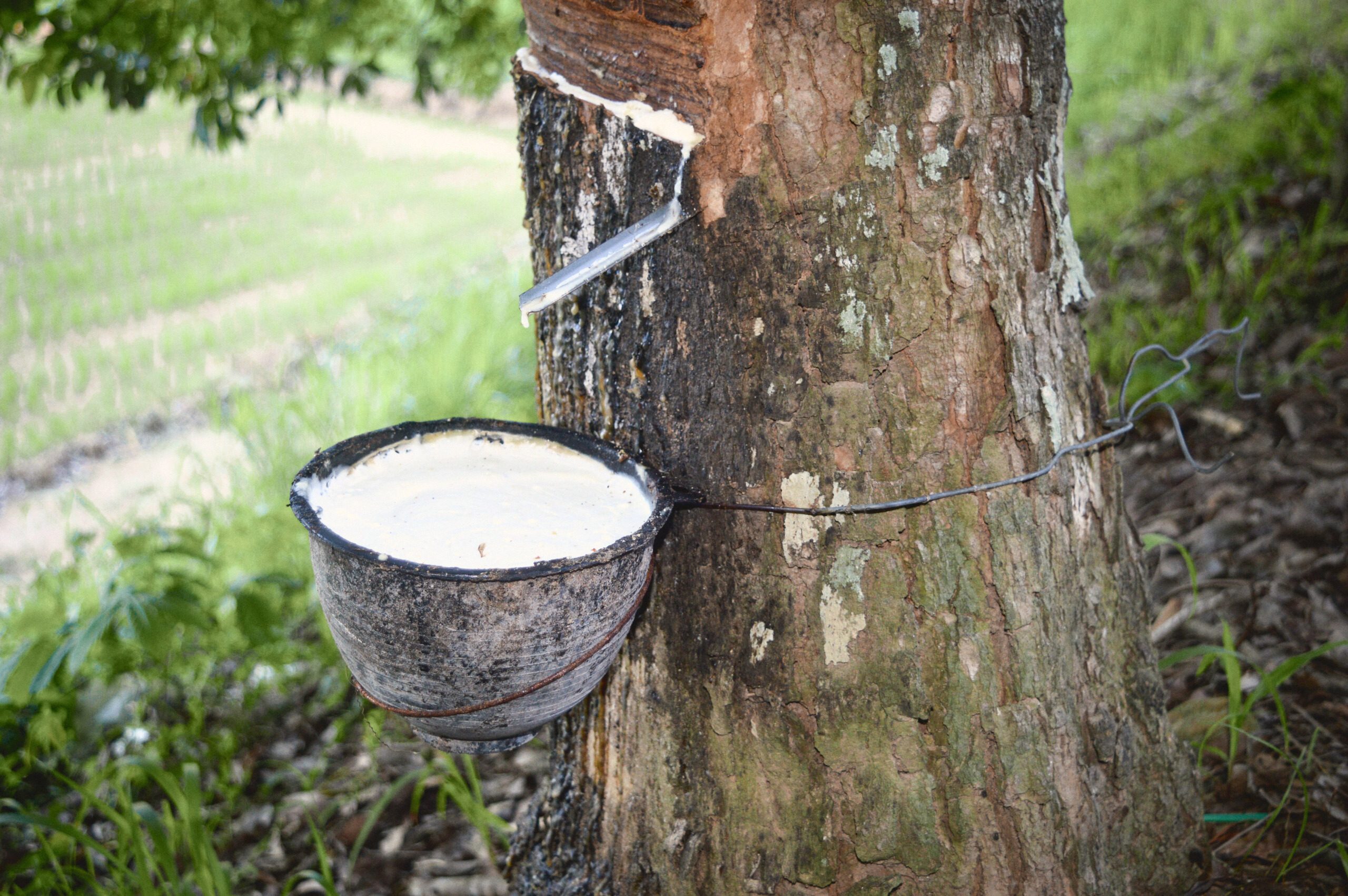
Tapped at night
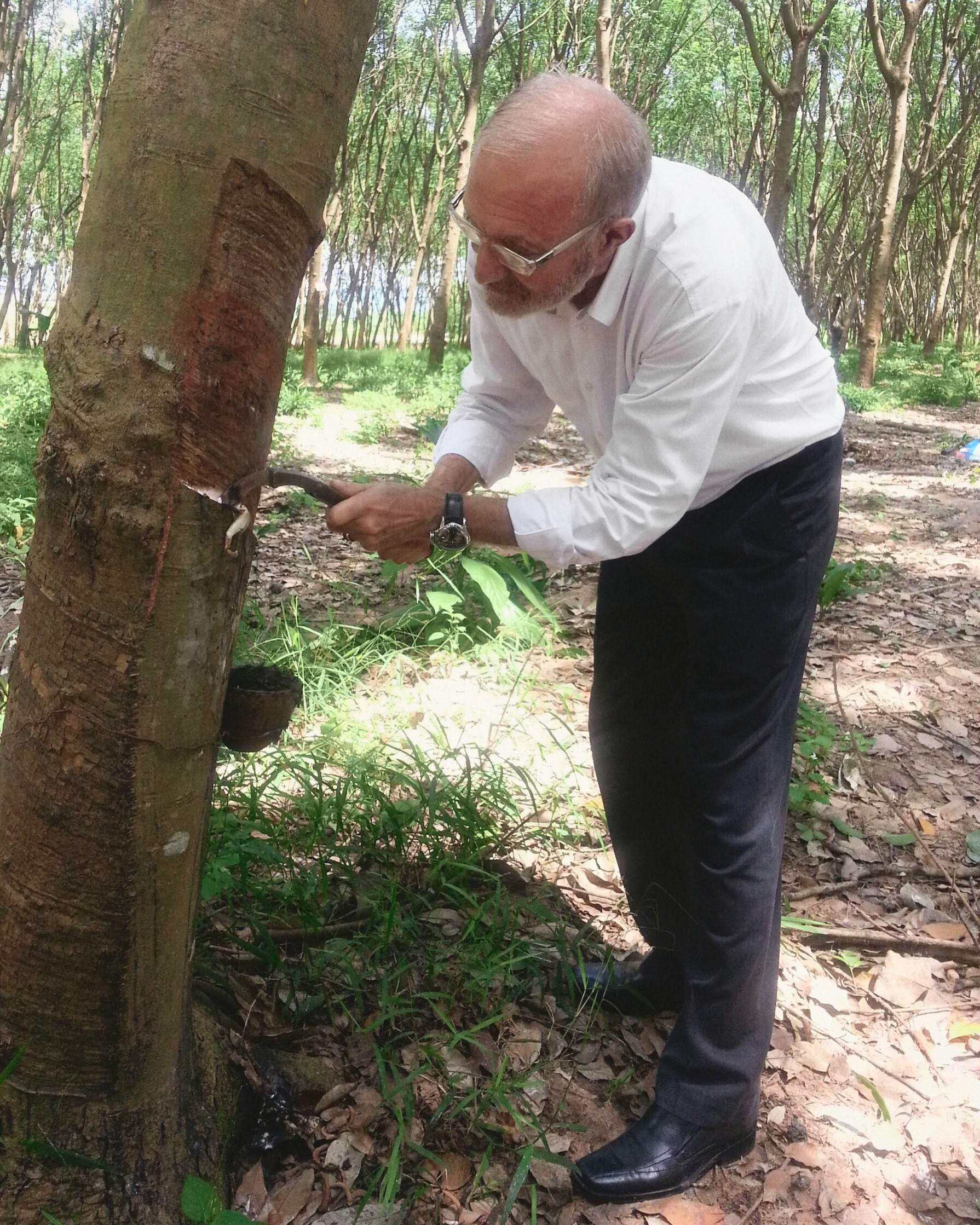
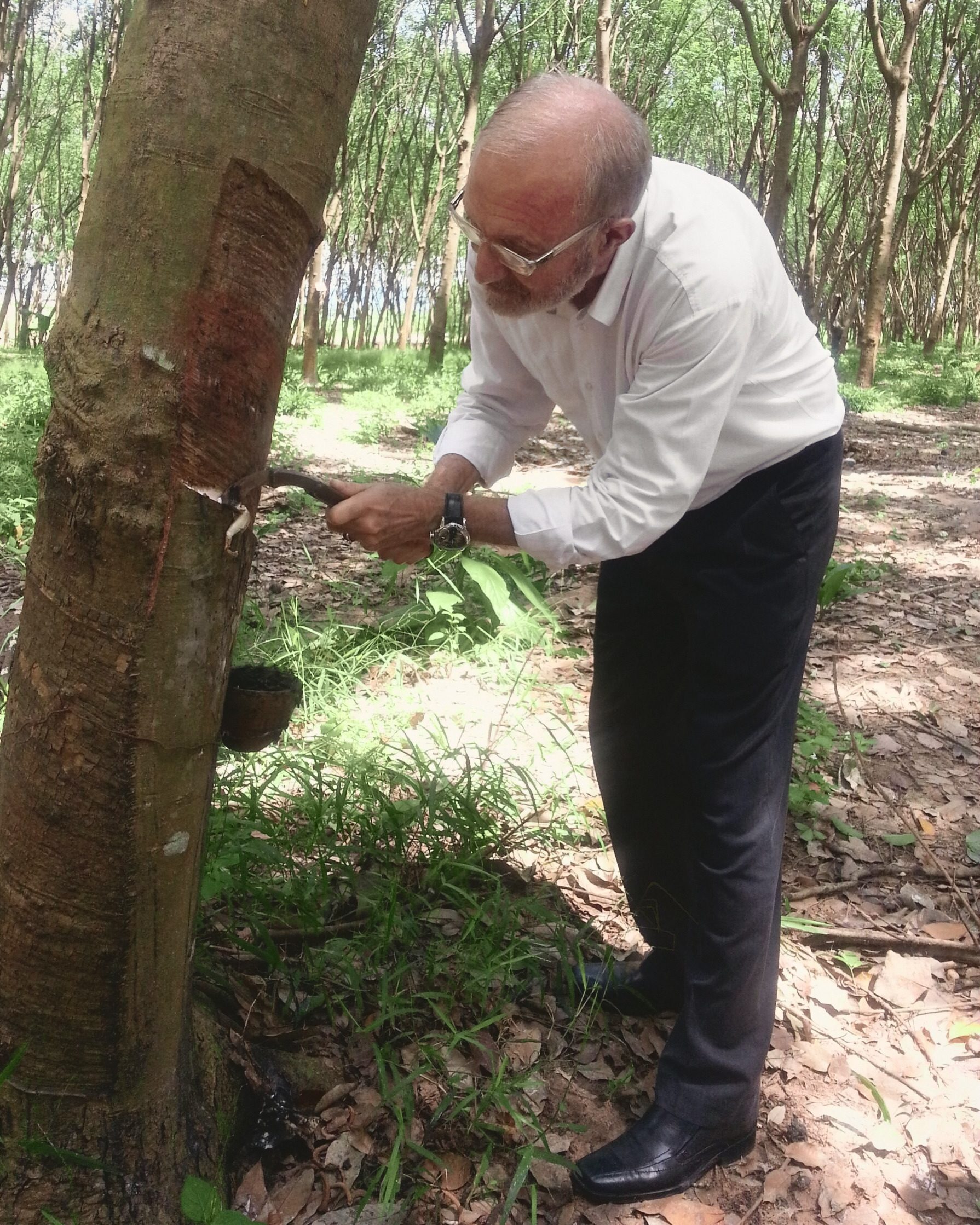
Between midnight and four in the morning, the coolest hours, when the latex flows best. In full sun it would thicken, so the harvest stops at first light.
- First light
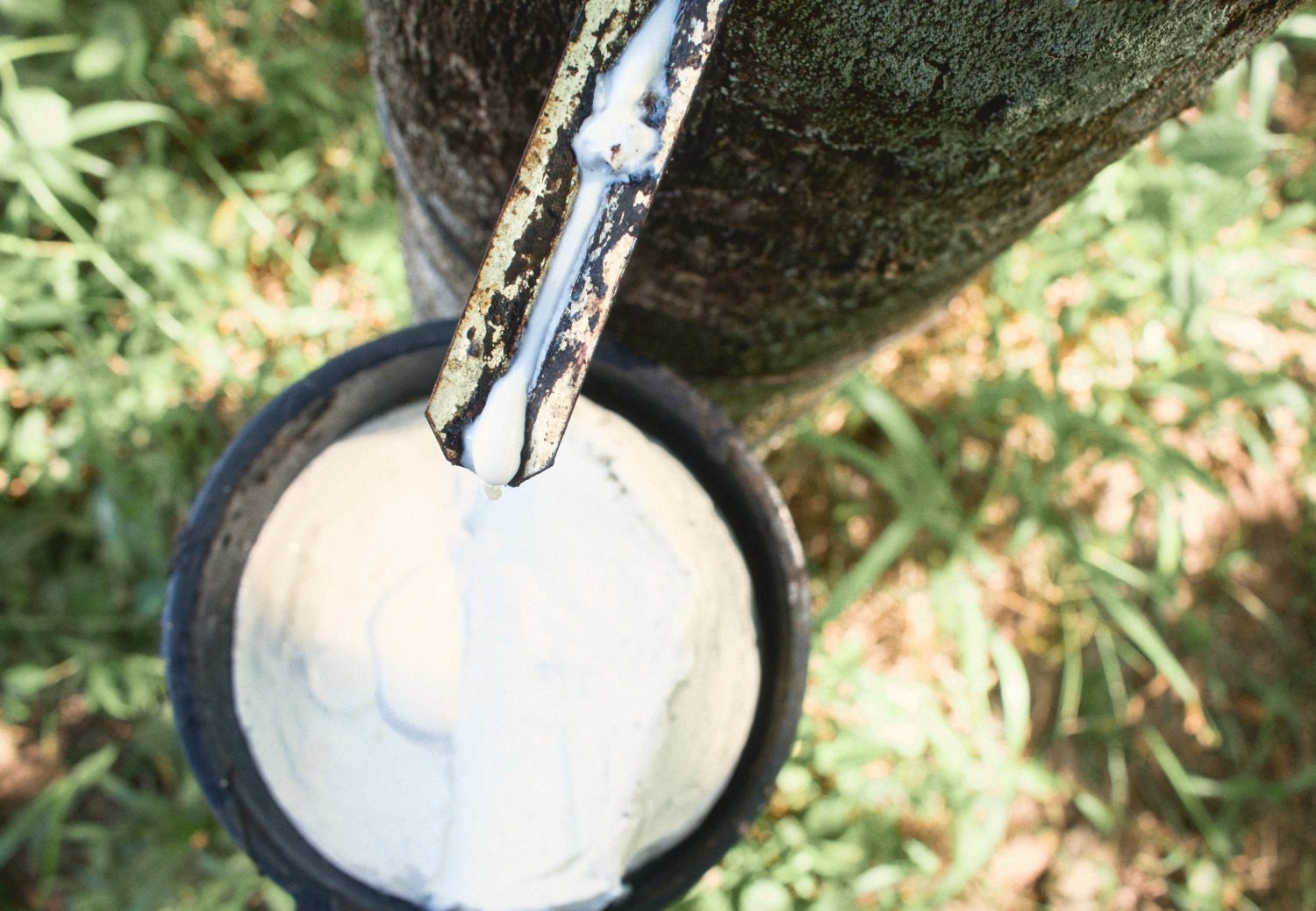
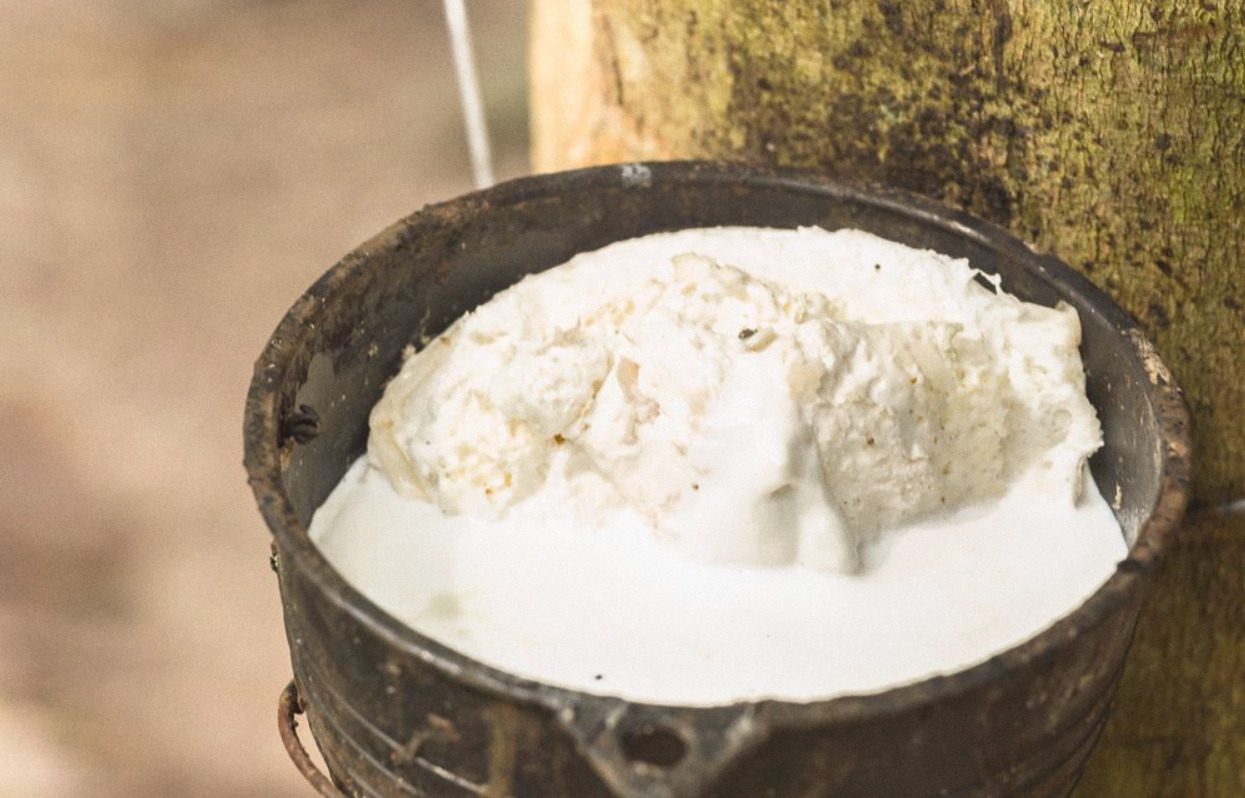
Into the cup, until it sets by itself
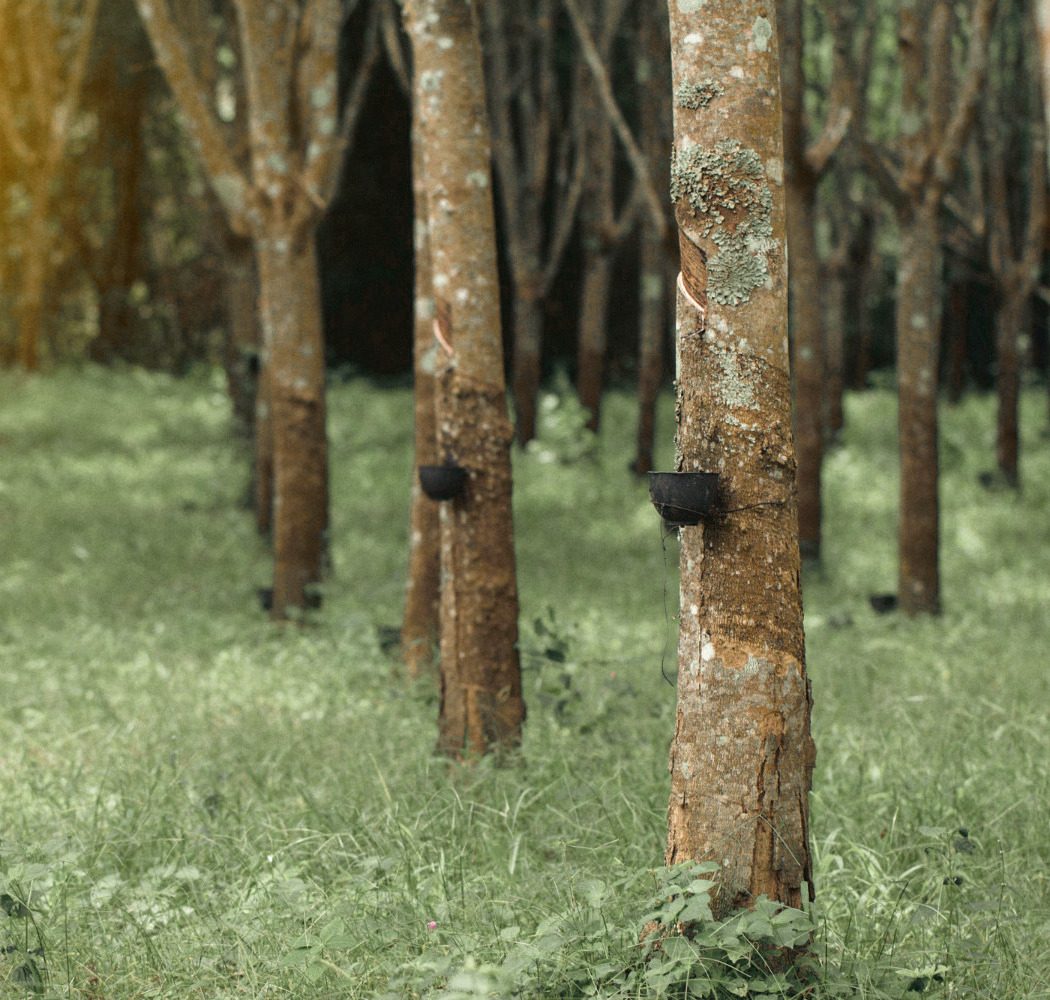
From the slanting cut the latex runs into a cup hung below. It sets by itself and the flow stops, usually after about four hours.
Rubber trees grow widely in Thailand, the world's first producer of natural latex. Ours comes from a supplier about two hours from Bangkok: we find our materials mostly close by, which limits transport.
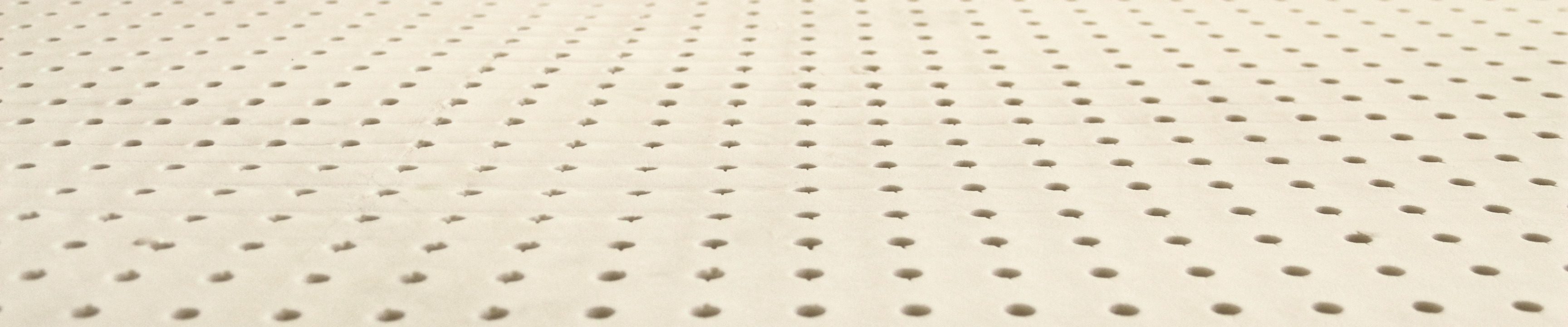
One block of natural latex
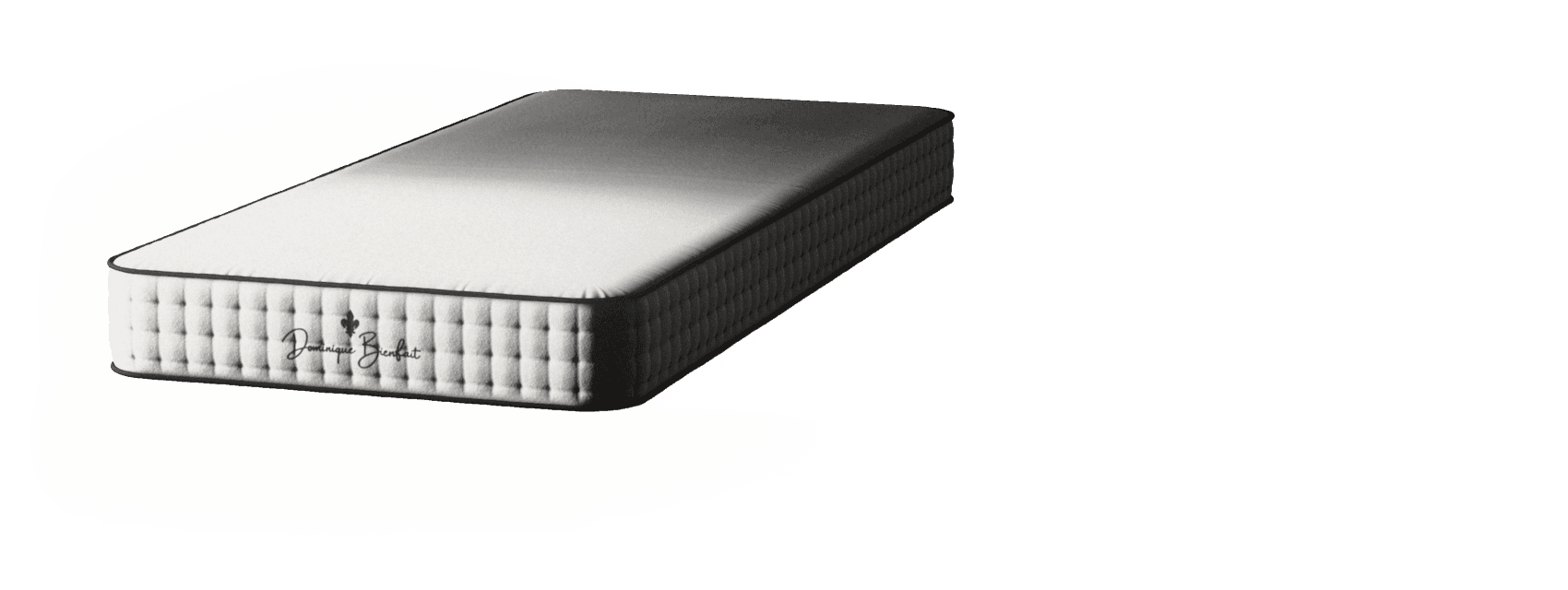
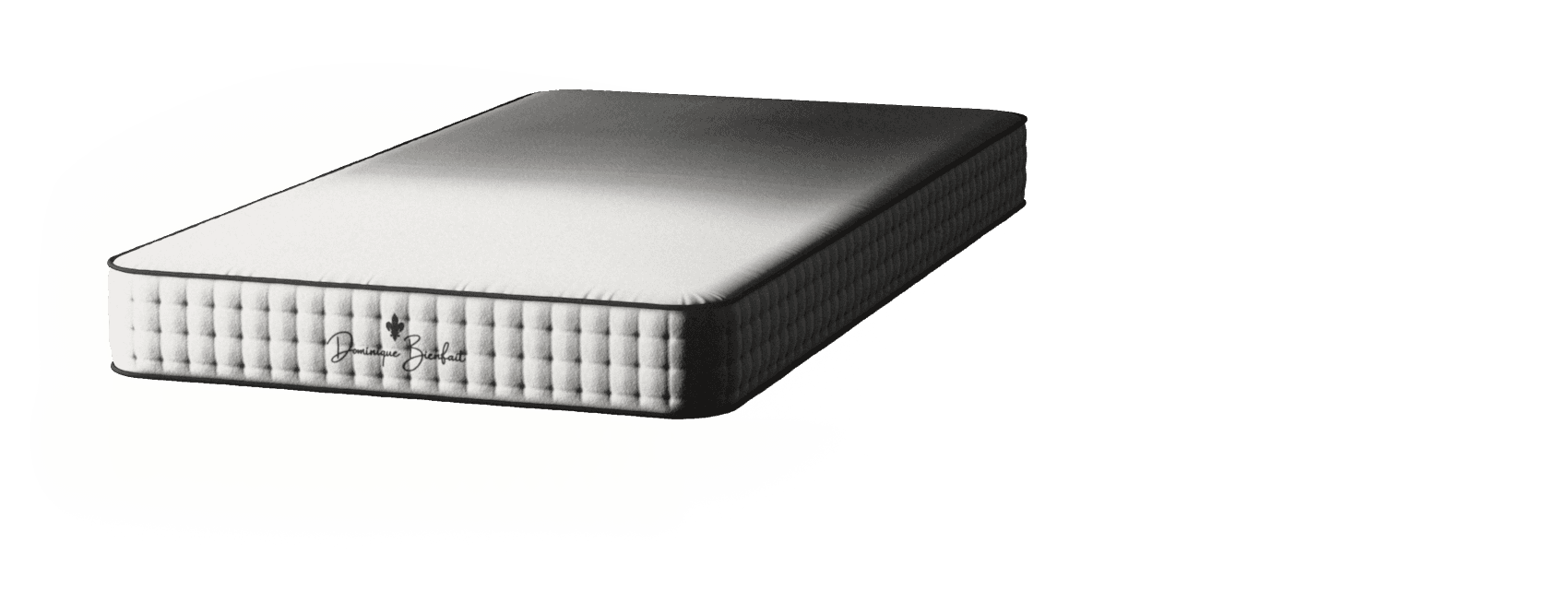
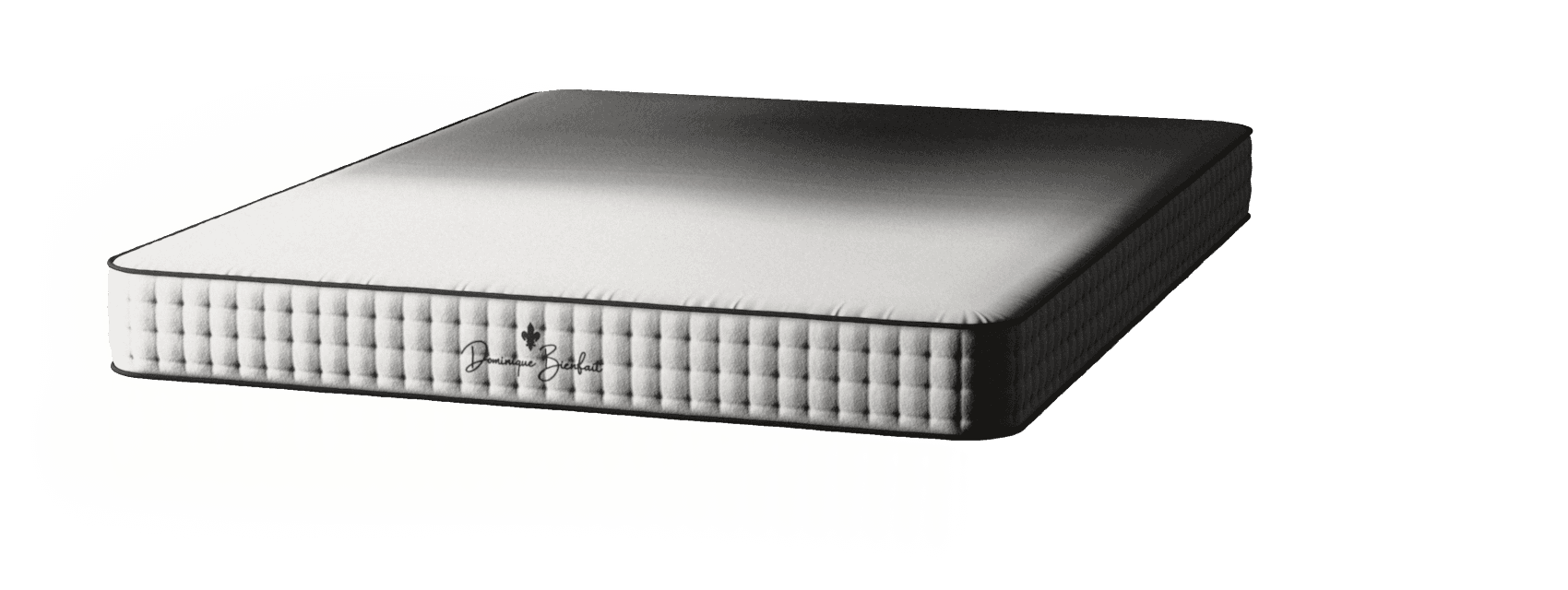
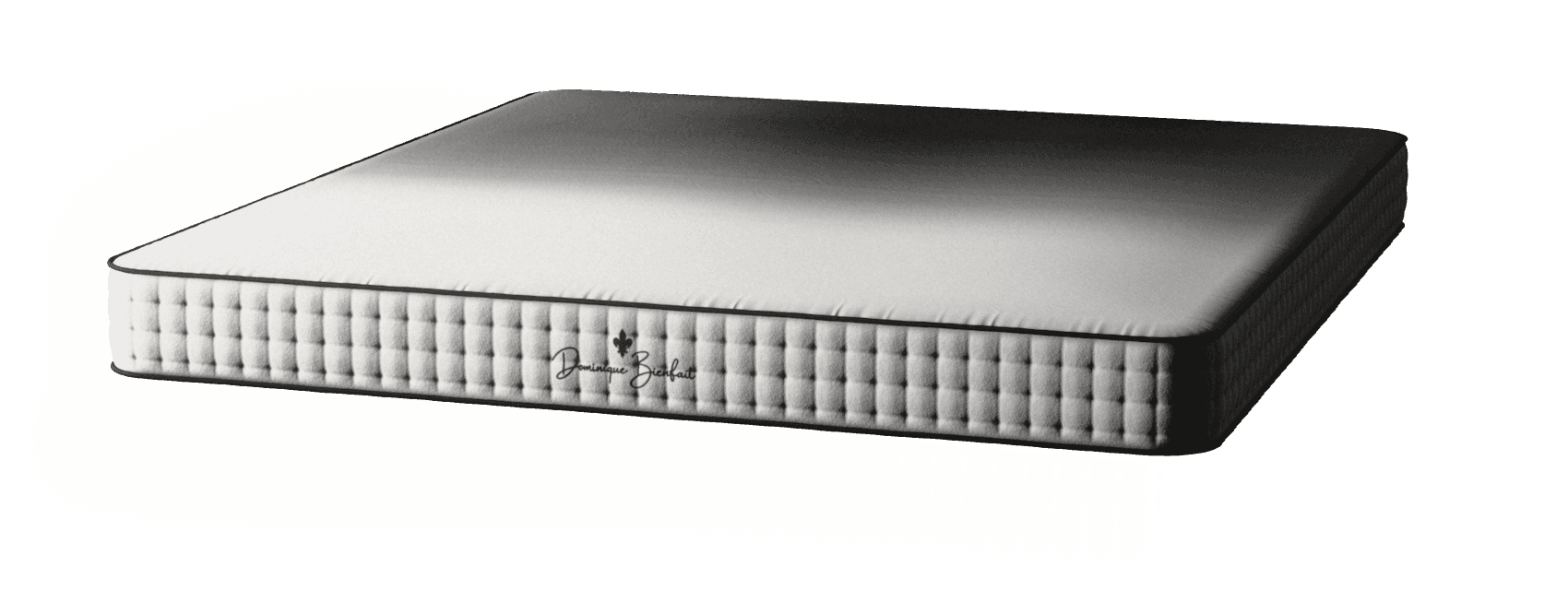
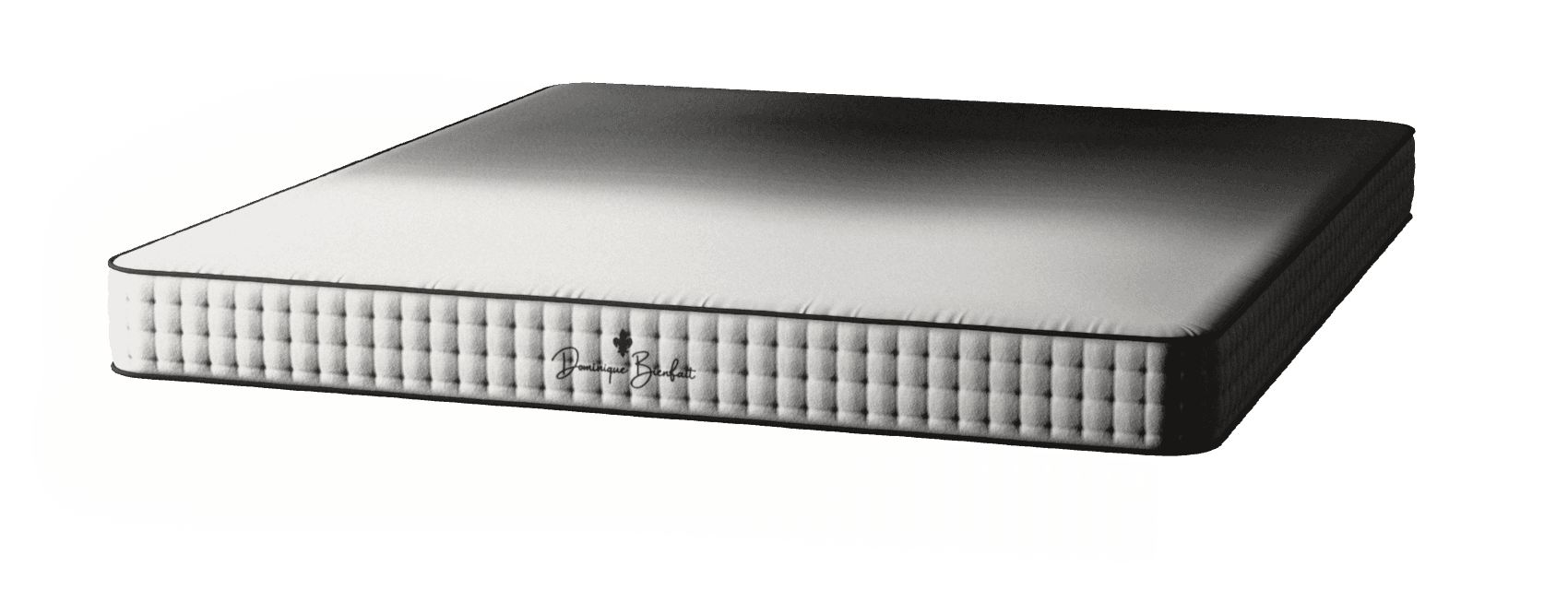
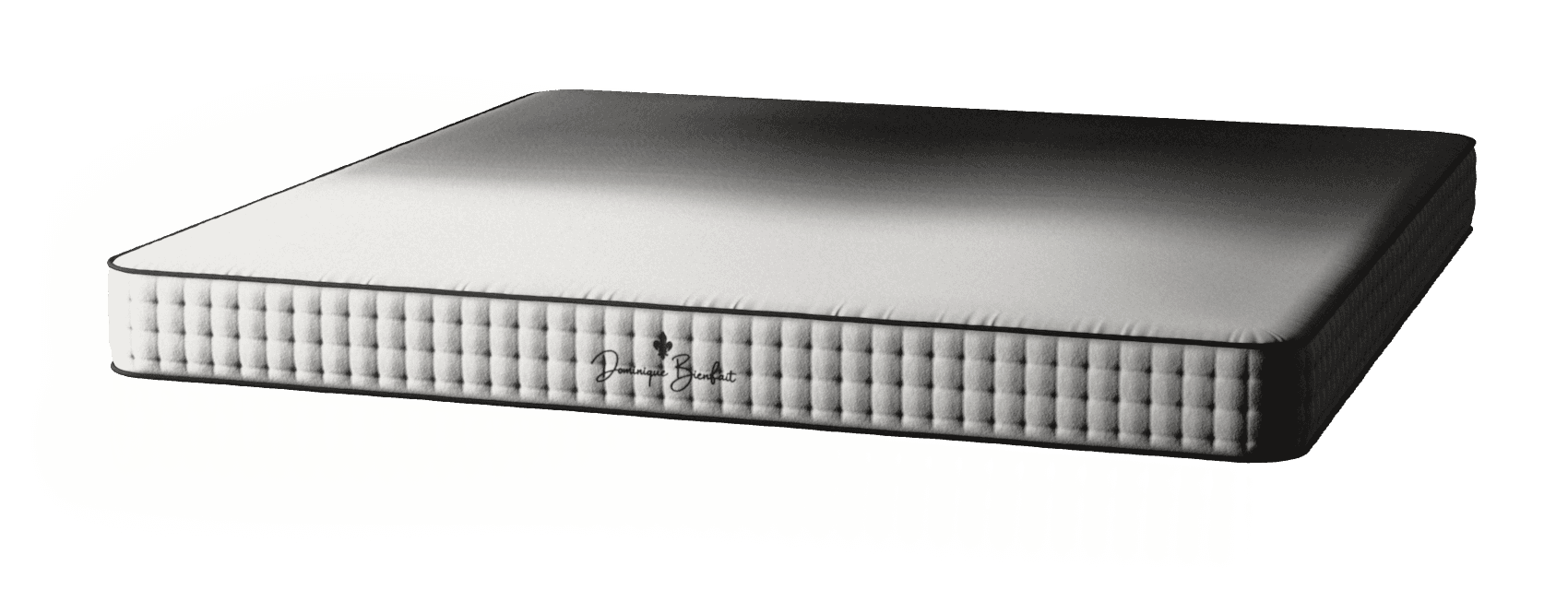
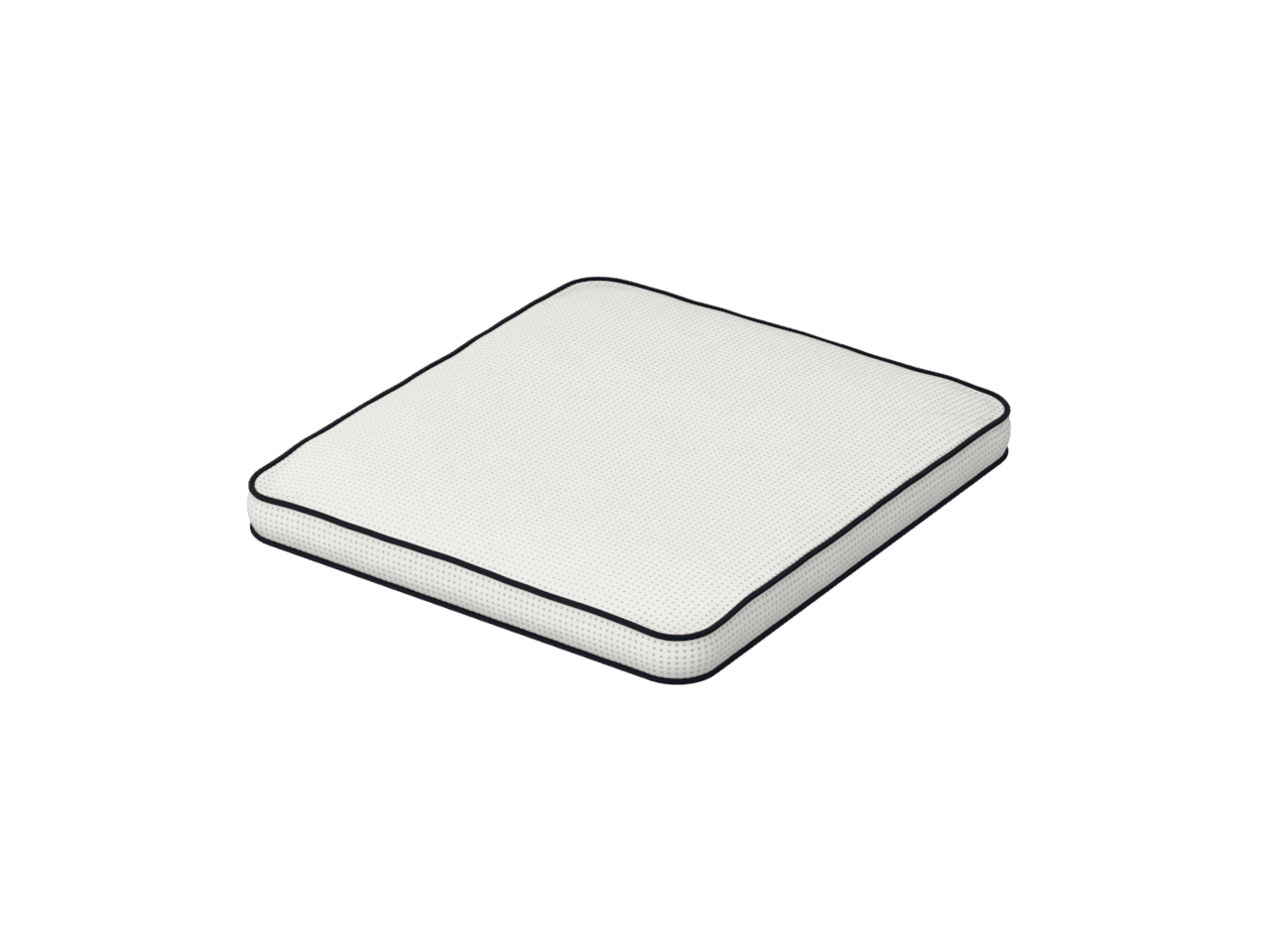
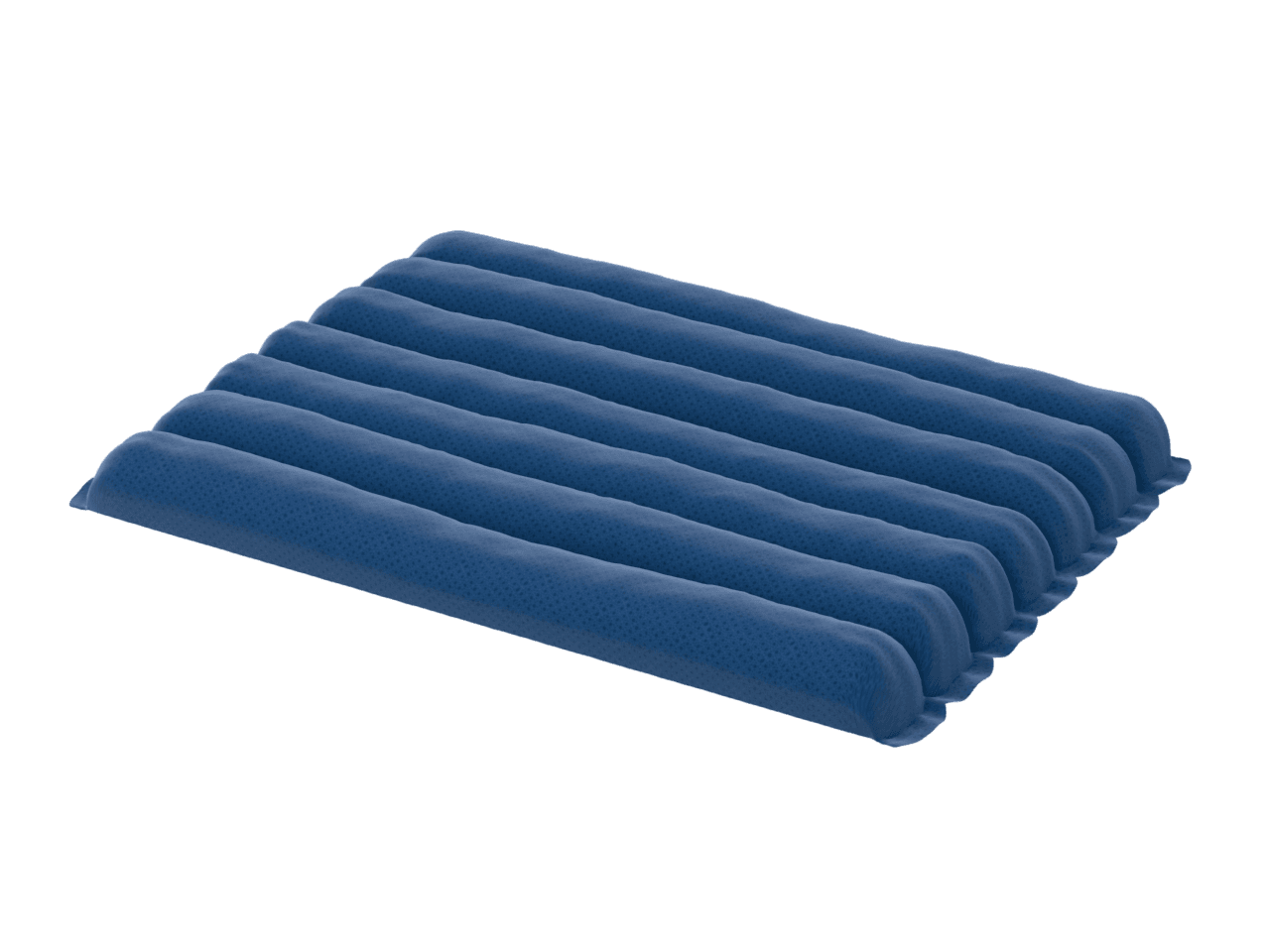
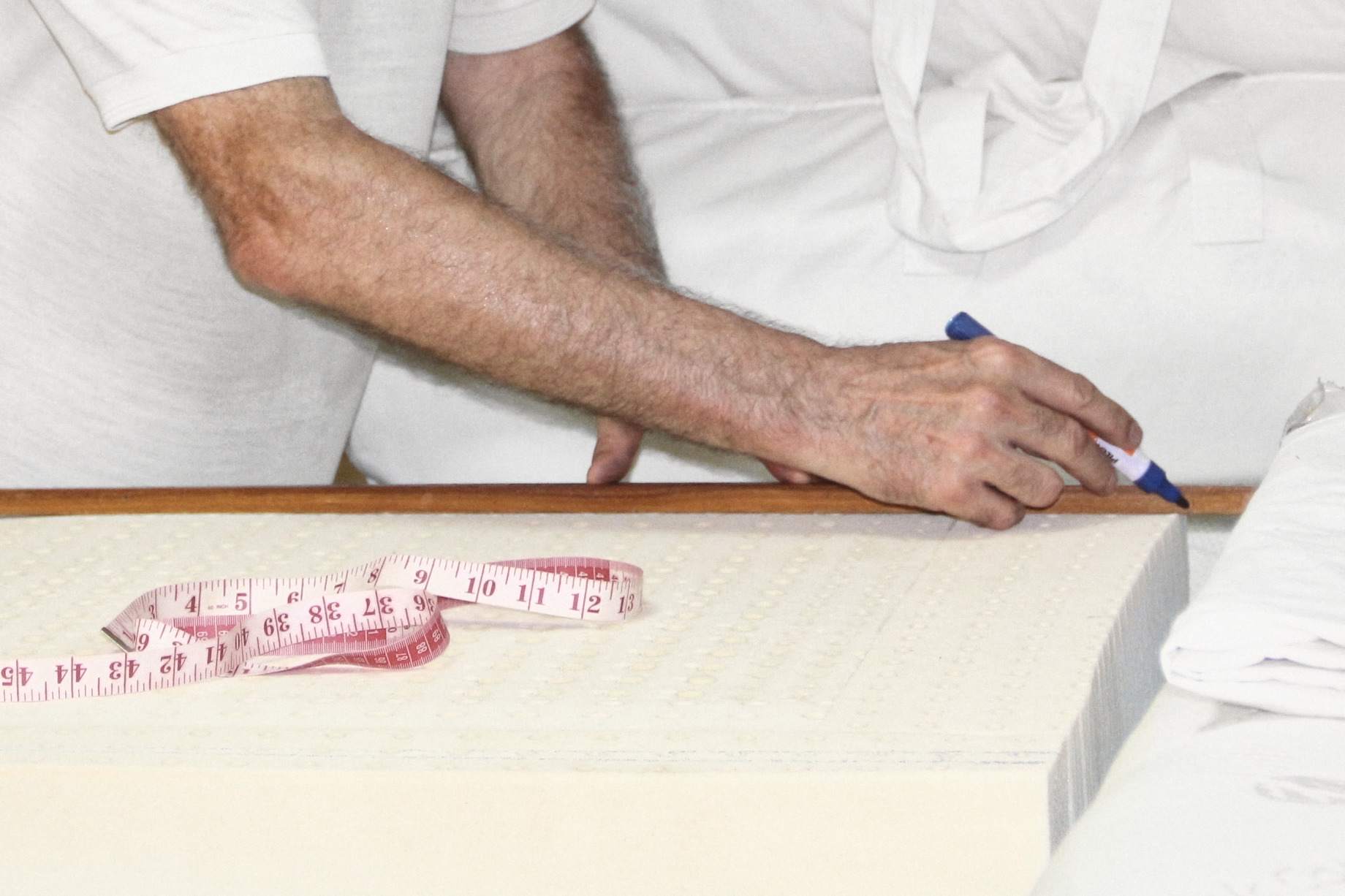
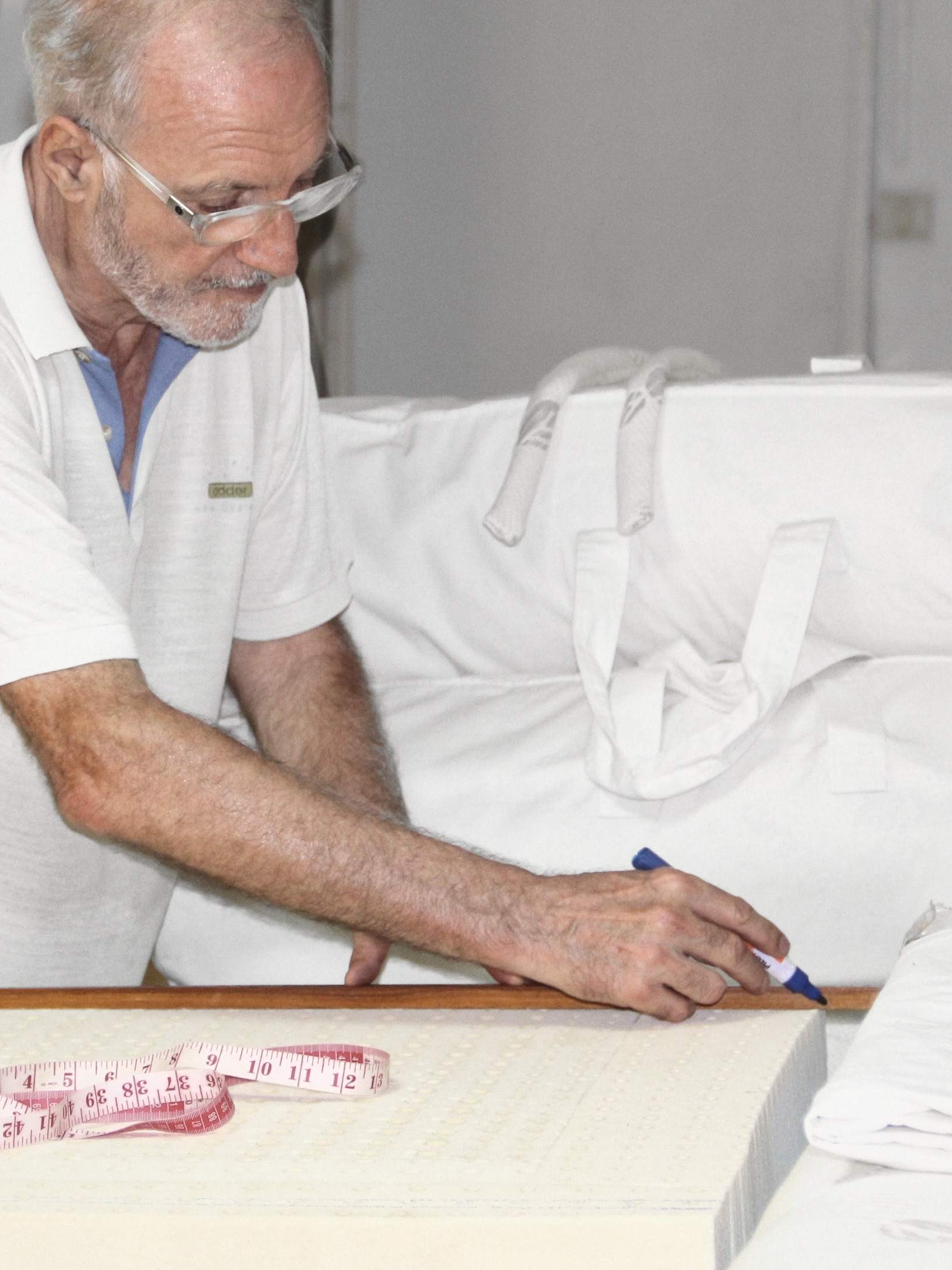
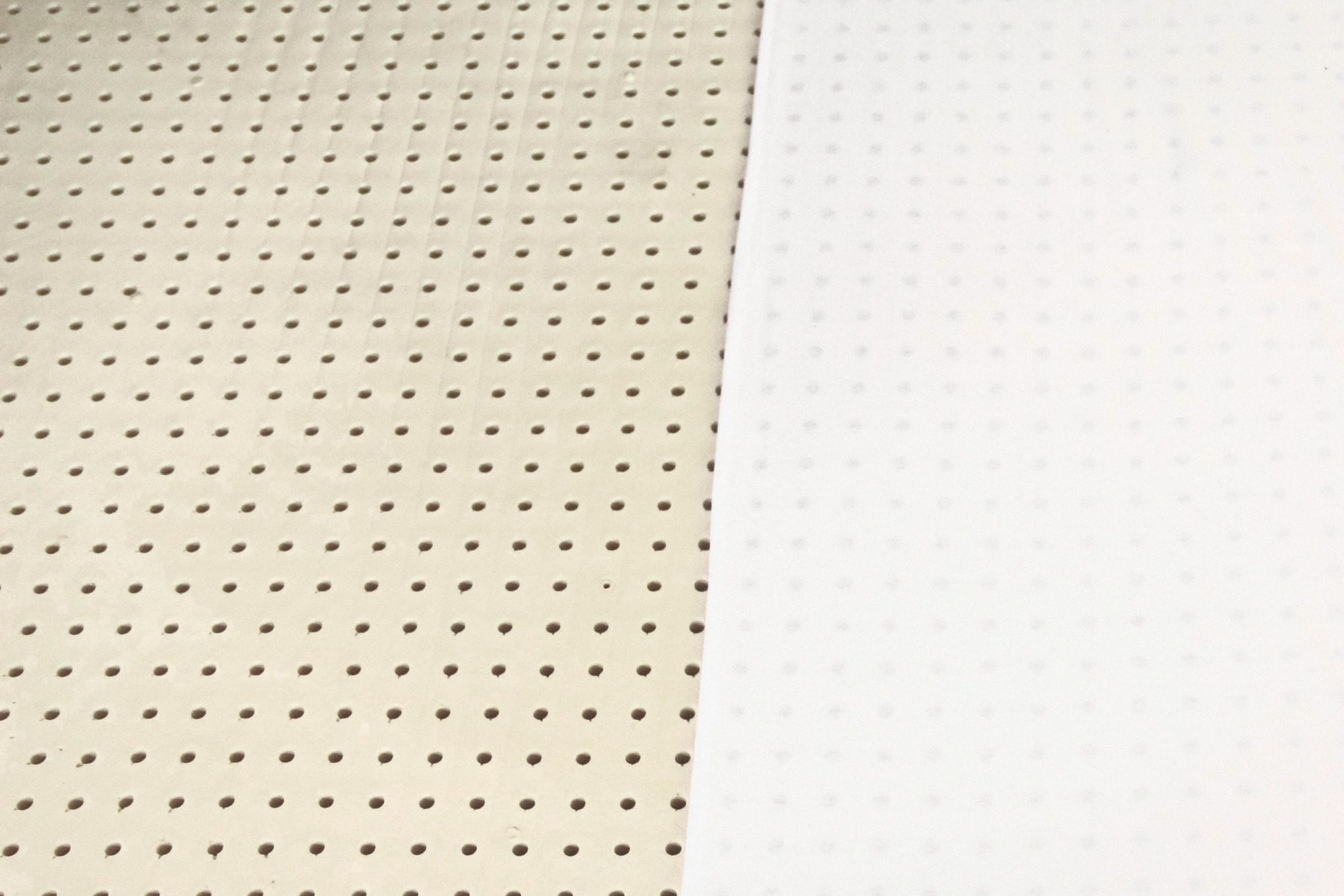
The core is one block, moulded in one or two layers and divided into seven comfort zones. It is perforated: the pin holes and the open cells of the foam let air move through it.
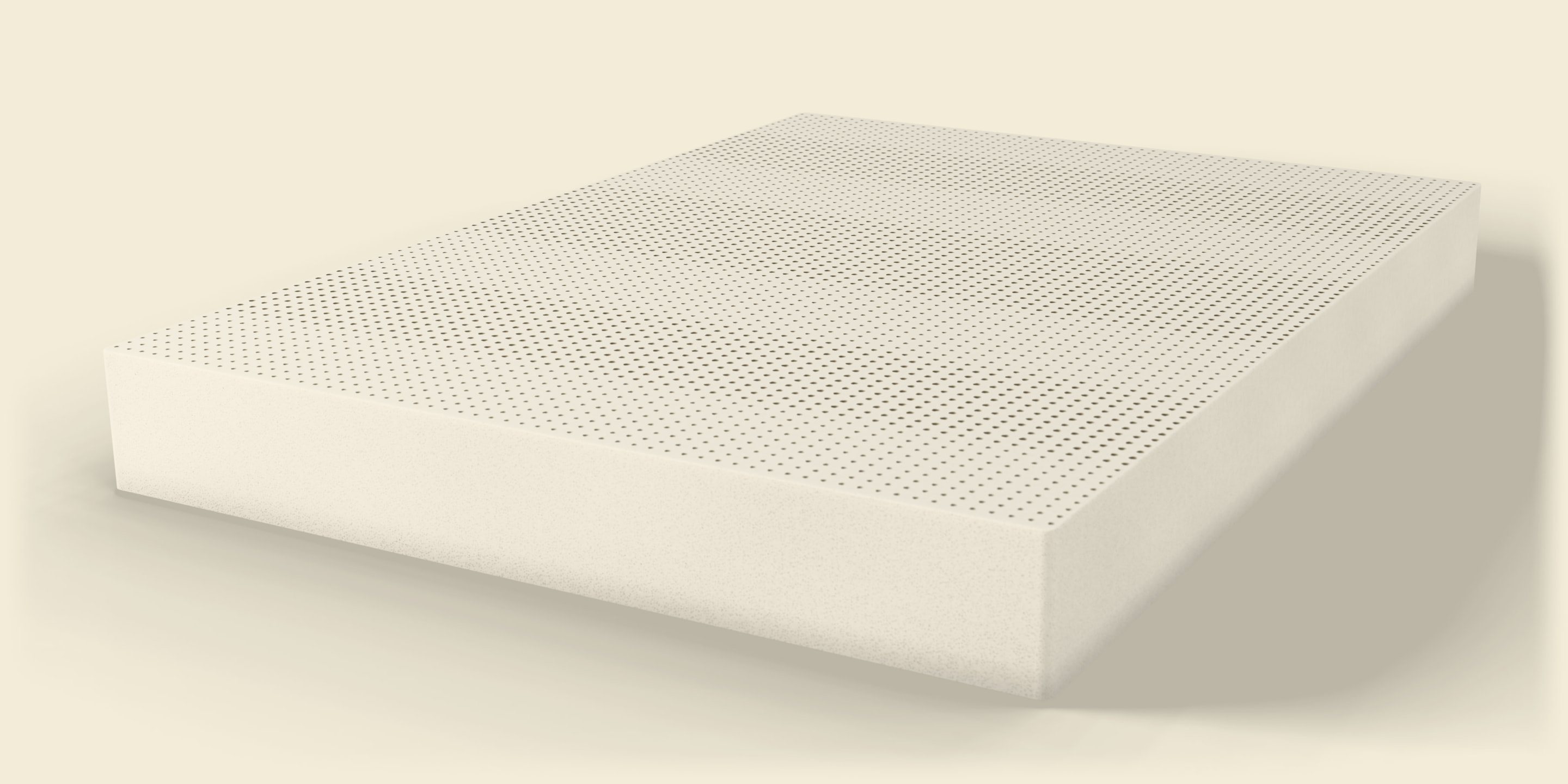
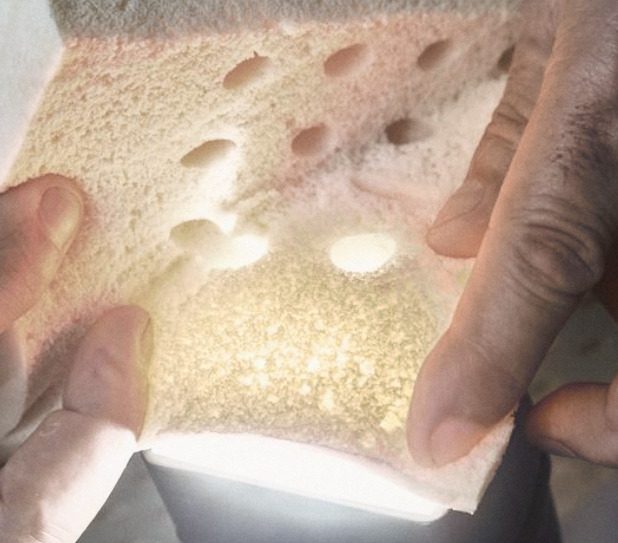
It recovers its shape rather than hollowing out
Natural latex is prized for its softness, its elasticity and its longevity. We guarantee it for 10 years.
Wrapped in cotton, twice
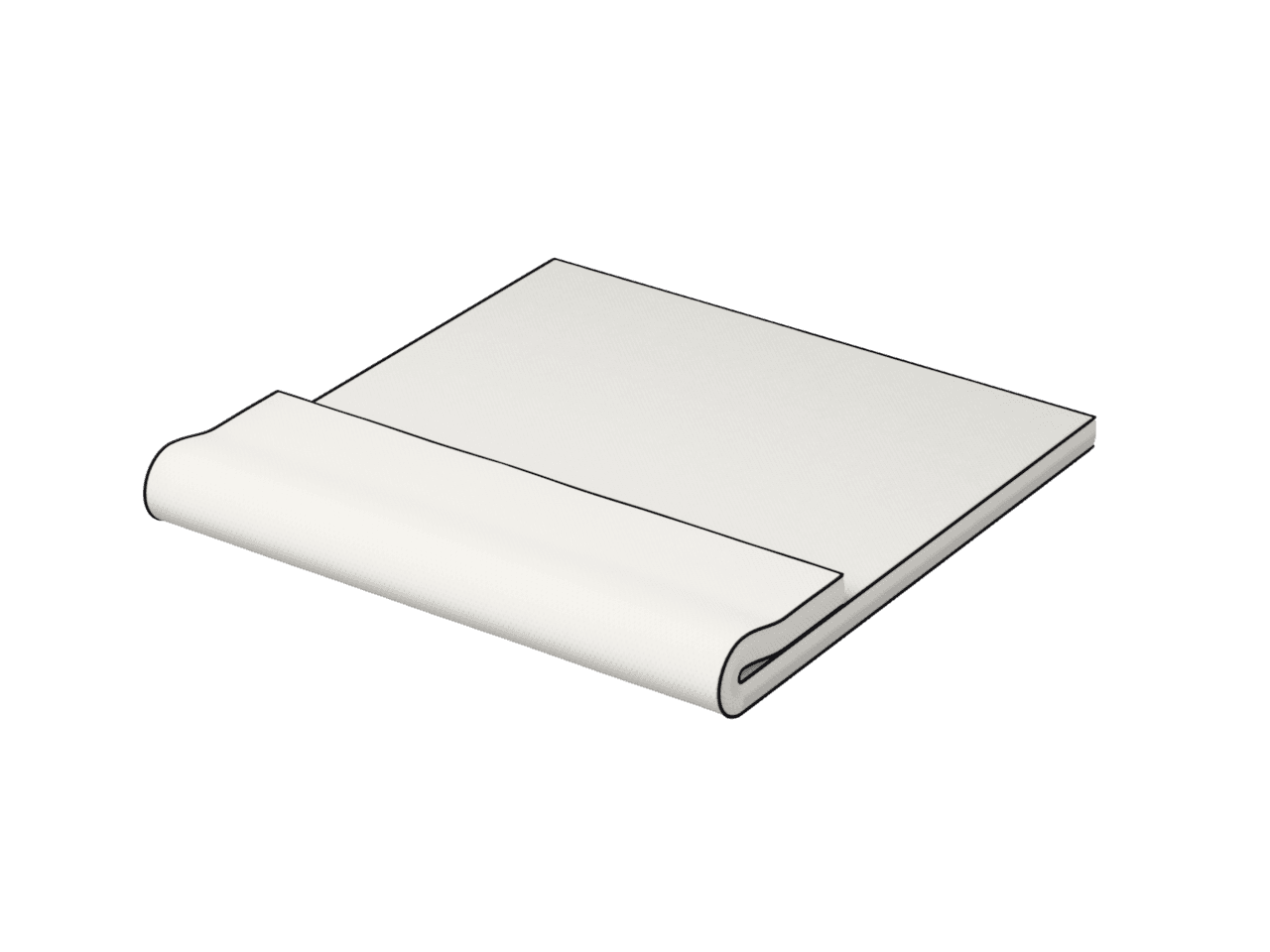
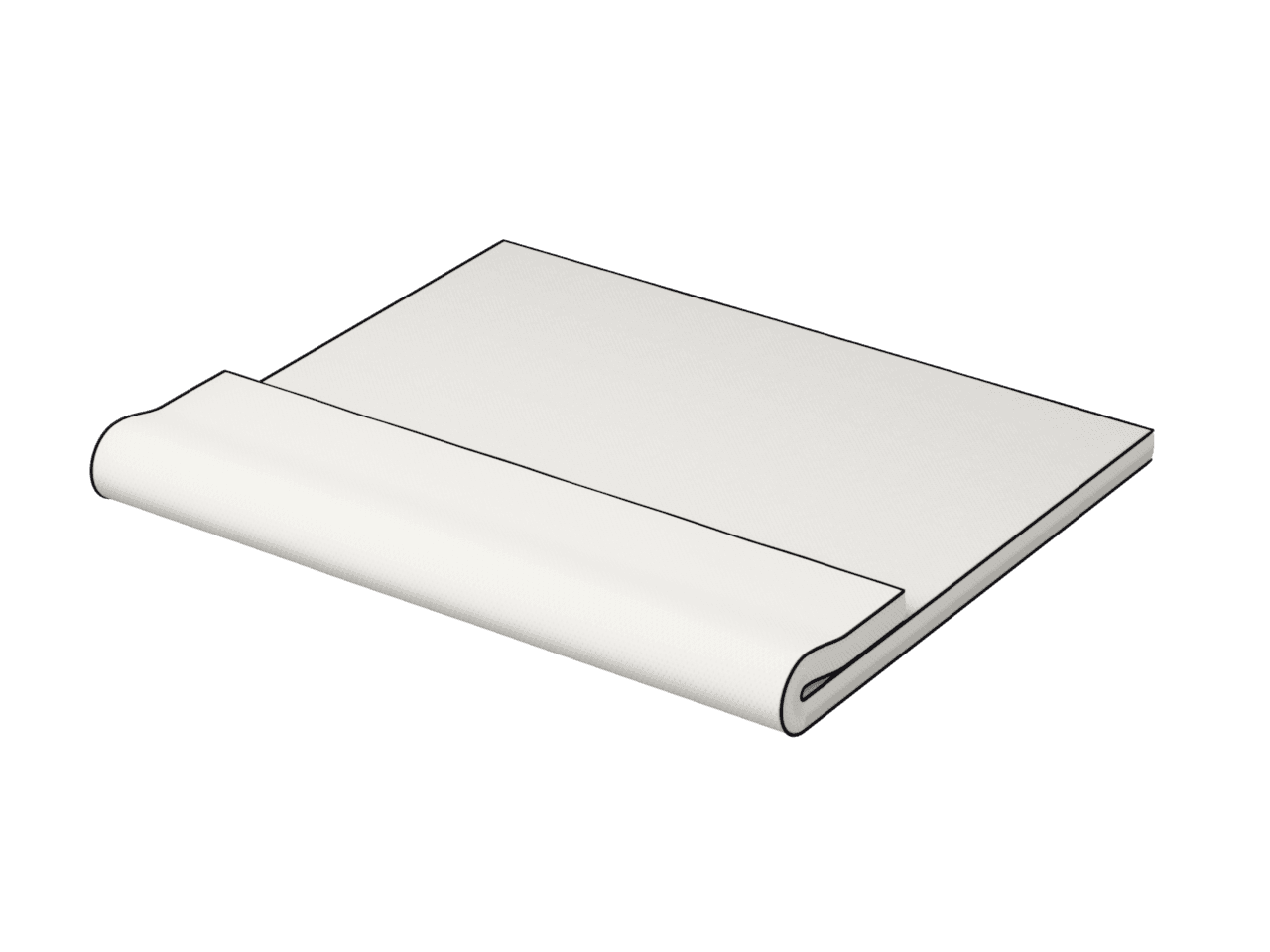
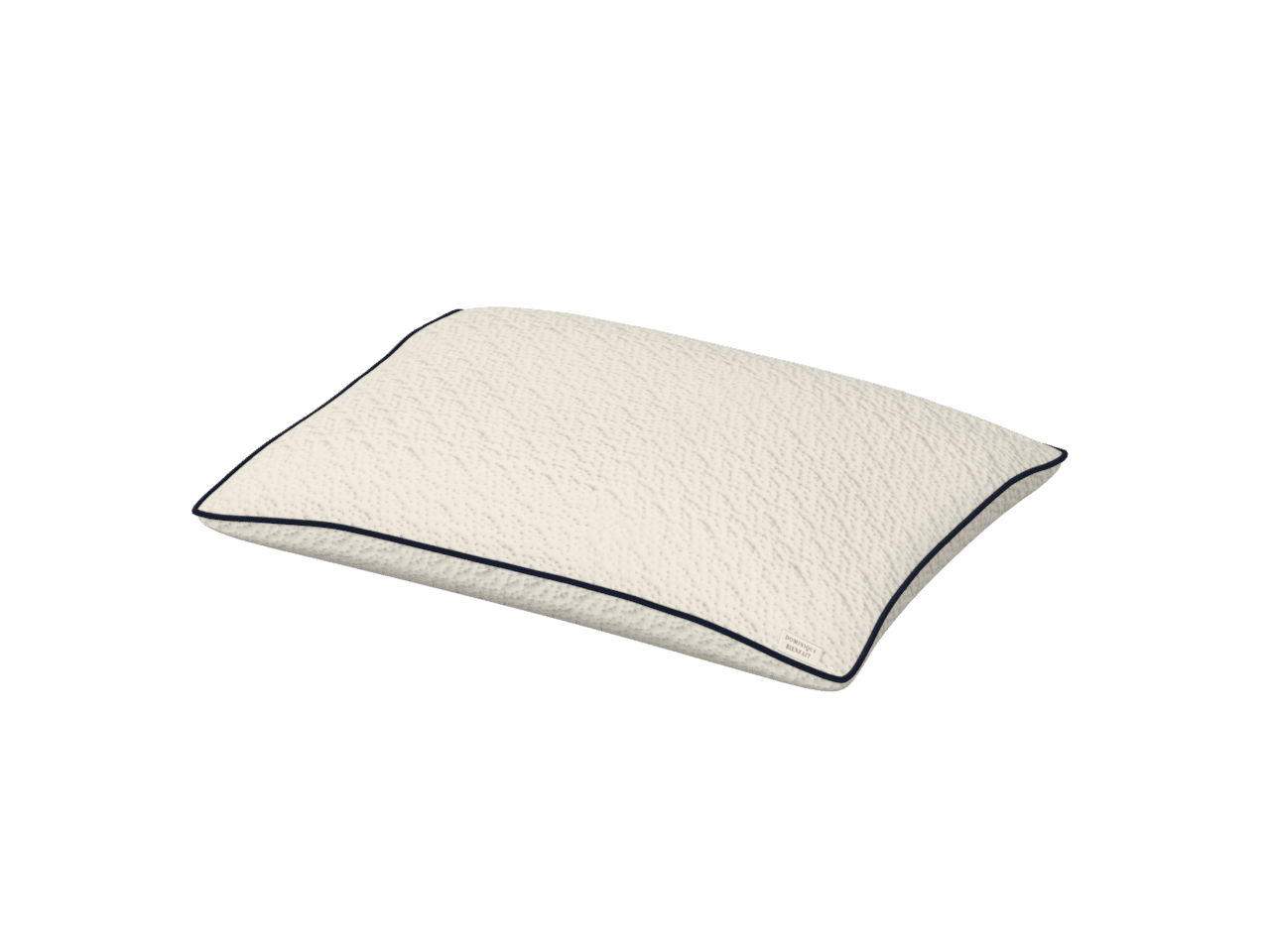
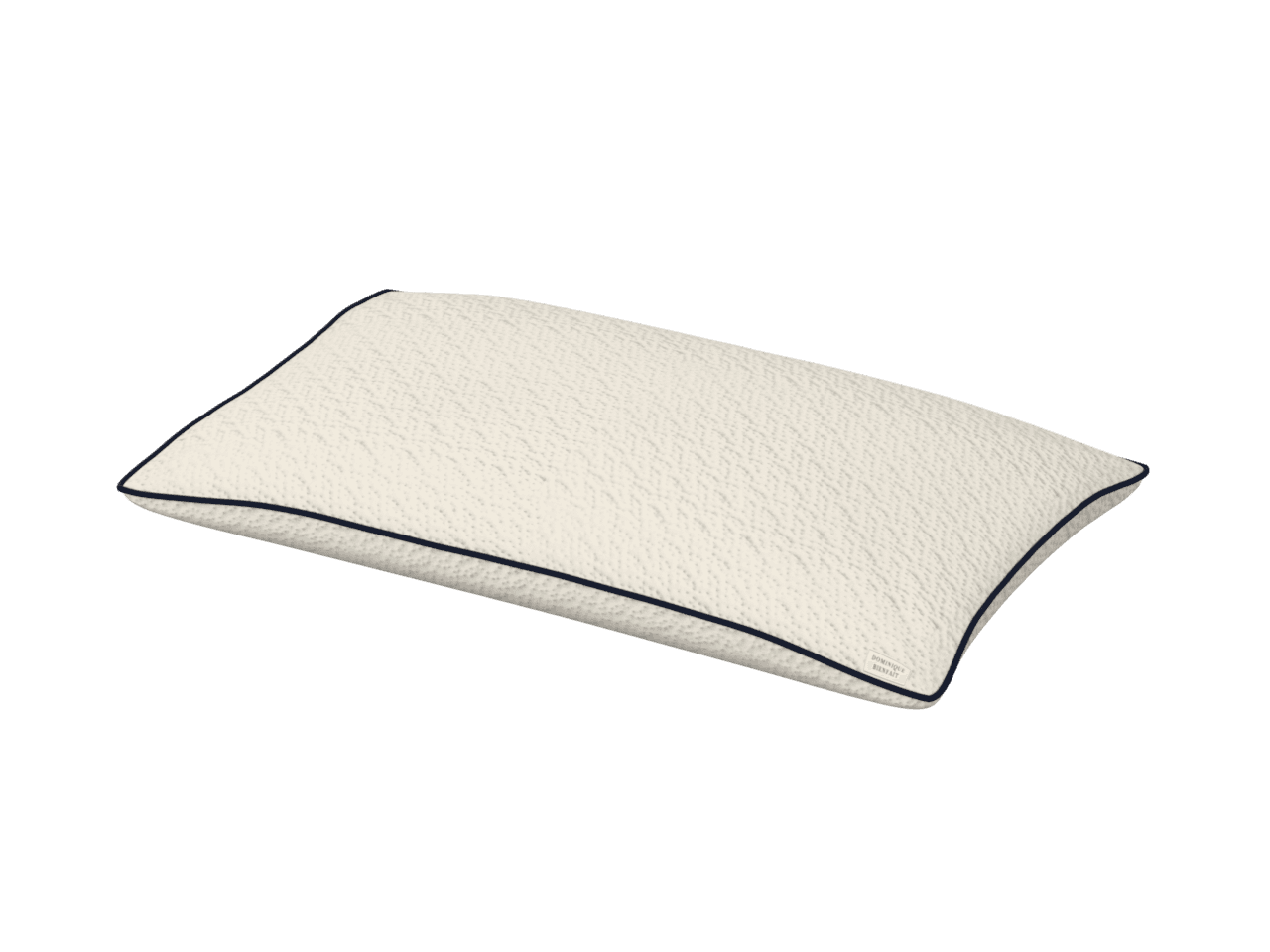
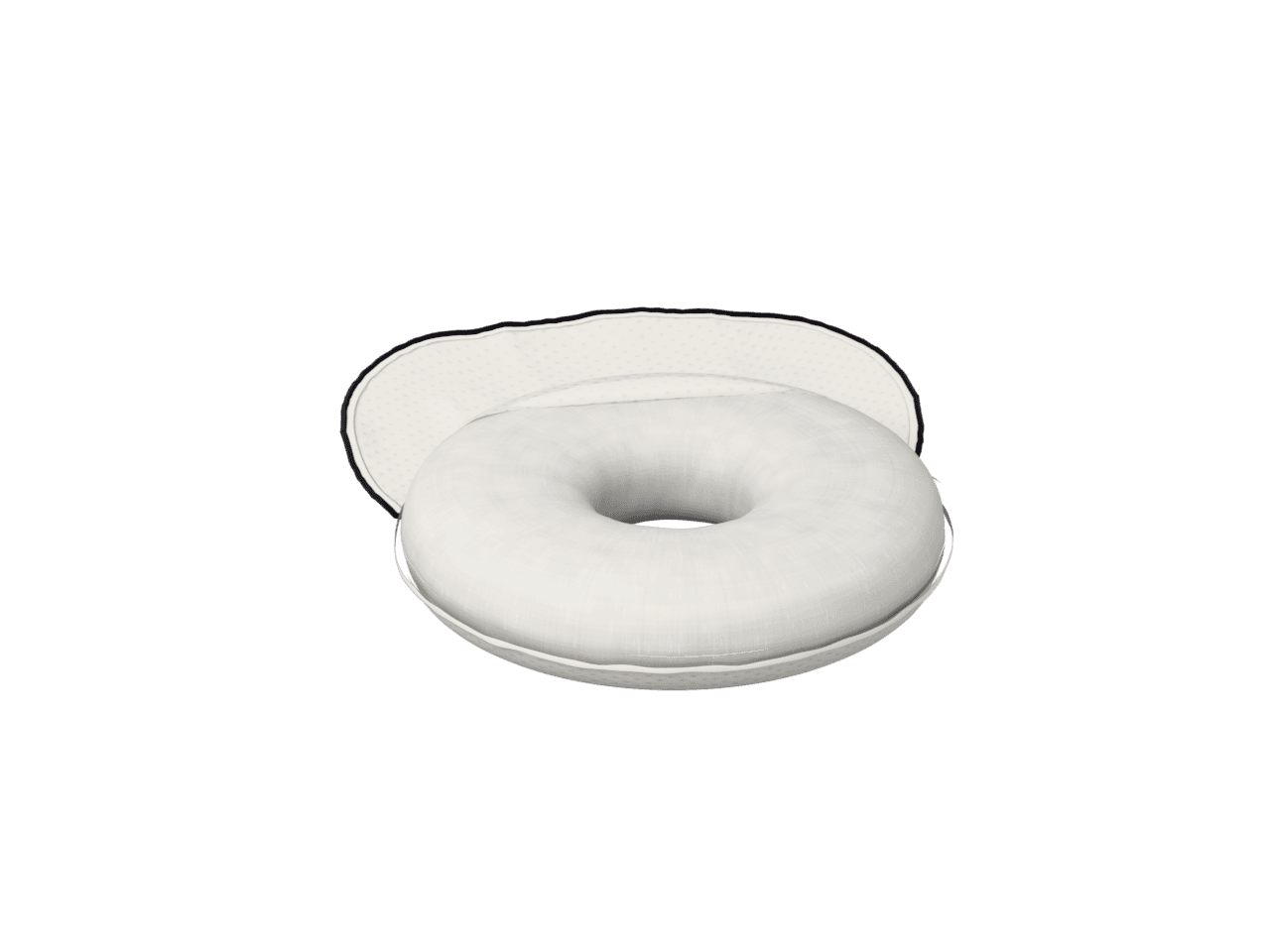
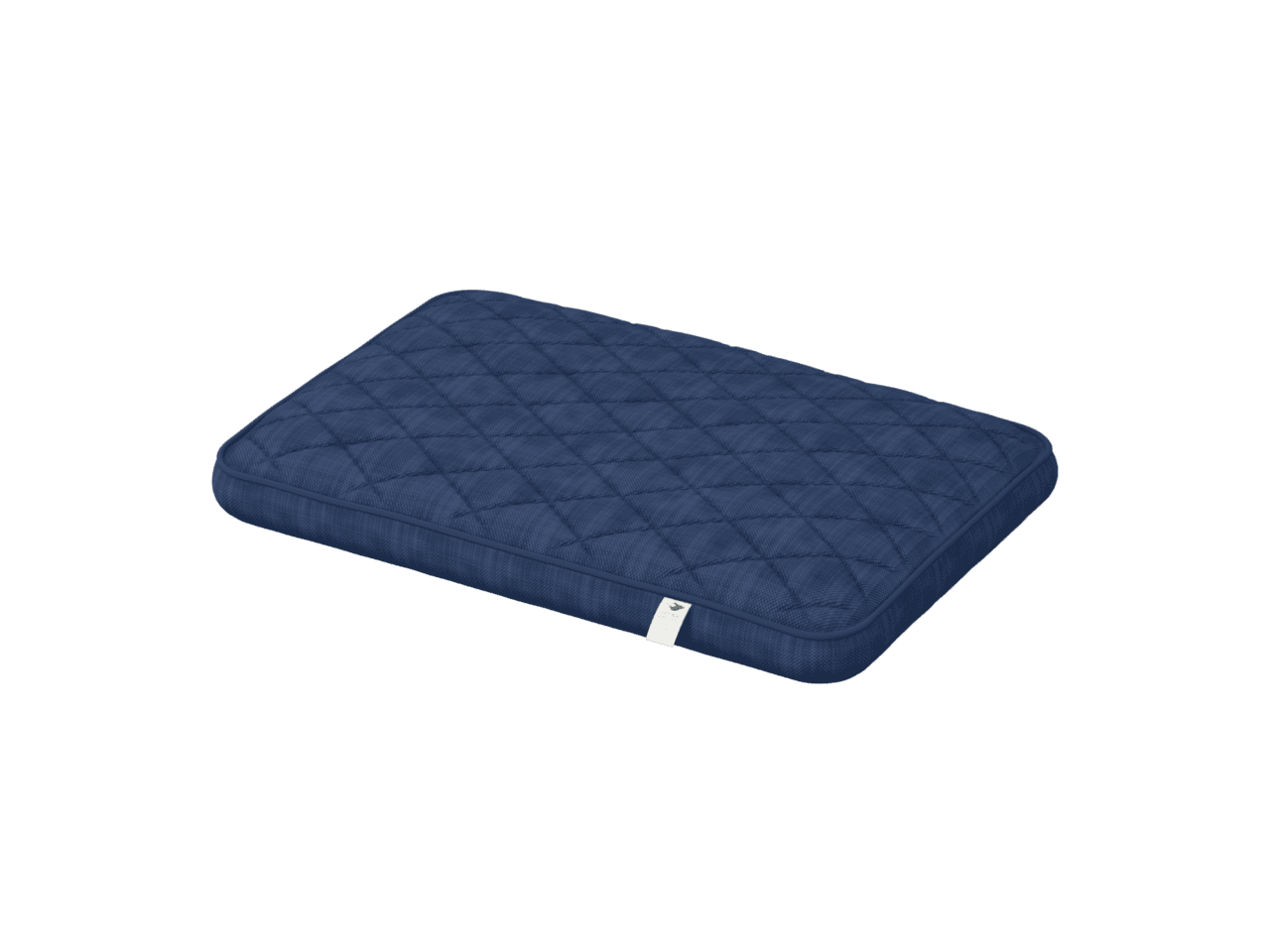
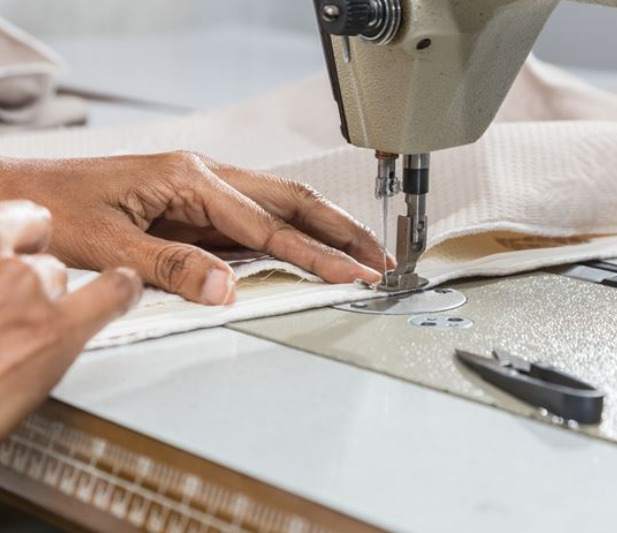
The outer cover is quilted and comes off. On the sleeping side it is organic cotton, with lyocell in its fabric, from Jacquard Textile (Asia) Ltd. in Thailand. Under it a thin inner cover of white fabric, almost see-through, wraps the latex. Cotton absorbs moisture, bends easily and lets air through.

From the cup to the mattress
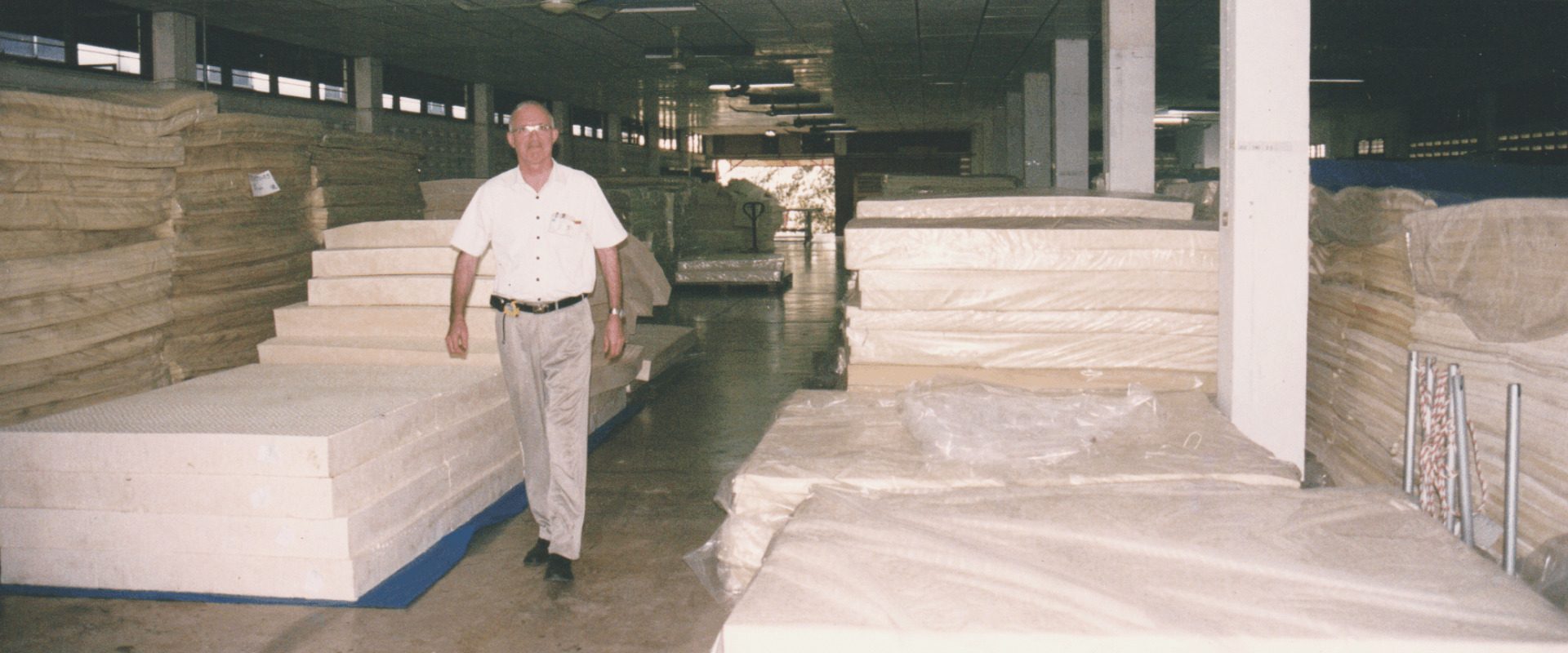
The next page follows the latex from the plantation to our workshop in Bangkok, step by step.
The makingCome and lie on one
The showroom is inside the workshop. Visits are by appointment.
Prawet, Bangkok 10250
Monday to Friday, 9:00 to 18:00
Saturday, 9:00 to 17:00
- +66 89 108 8889English and French
- +66 83 980 5623English, French and Thai