
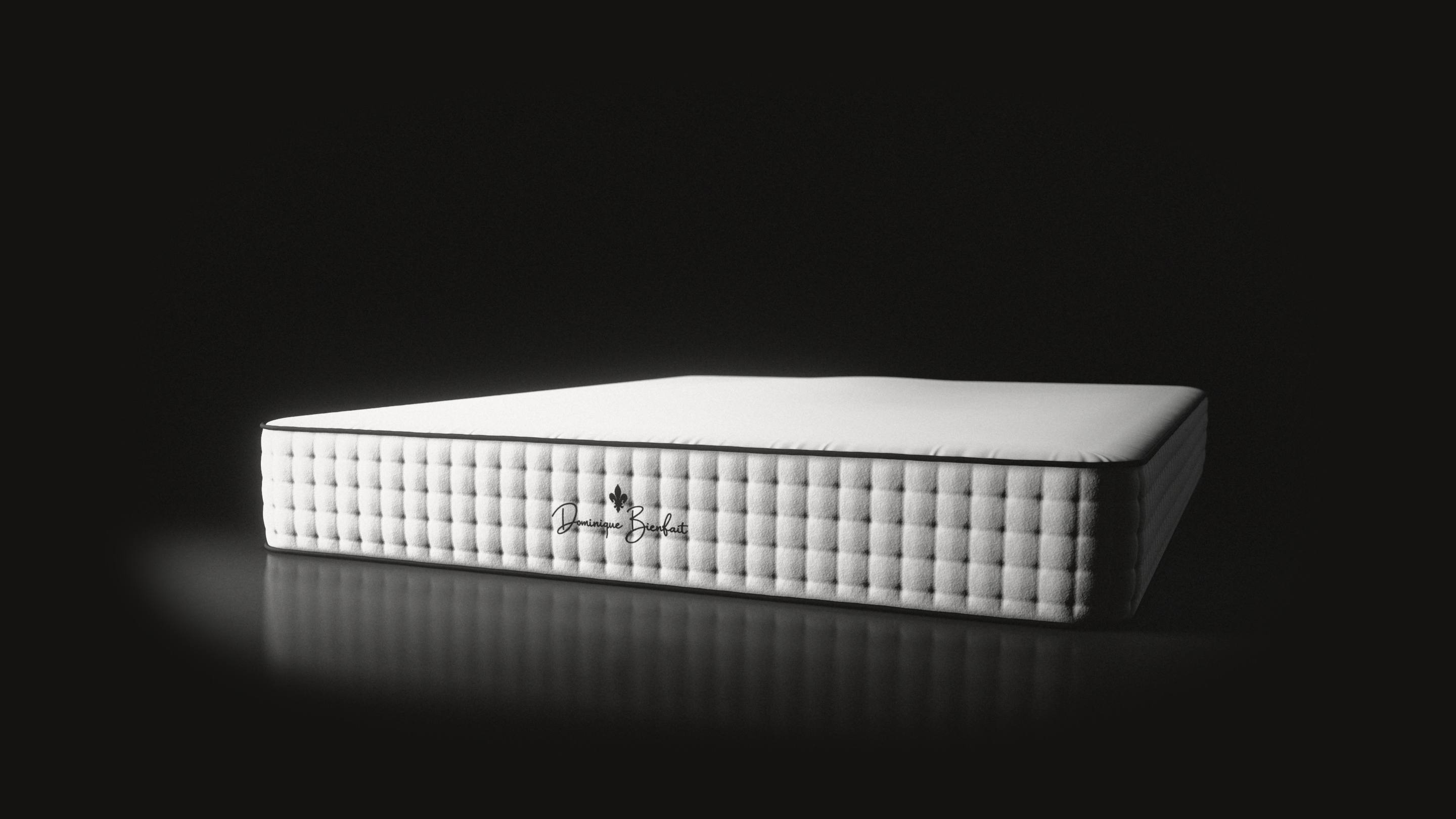
What Is Natural Latex? 100% vs Blended Latex
Natural latex comes from the sap of the rubber tree. What "100% natural" should mean, how it differs from synthetic and blended latex, and how to check.
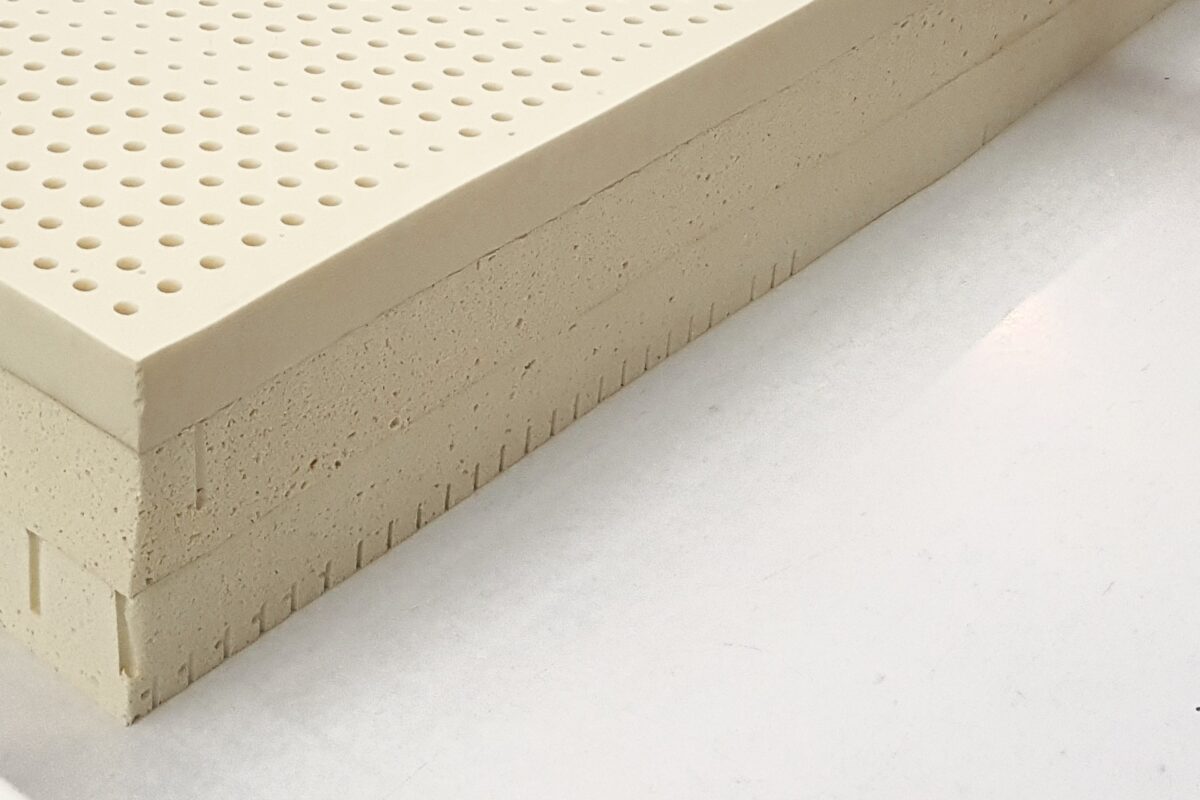
Short answer: natural latex is a foam made from the sap of the rubber tree. “100% natural latex” should mean the latex in the product is all natural rubber, with no synthetic latex mixed in. Many products sold as “natural latex” are blends, so ask what percentage is natural, and ask to see the certificate.
What is latex?
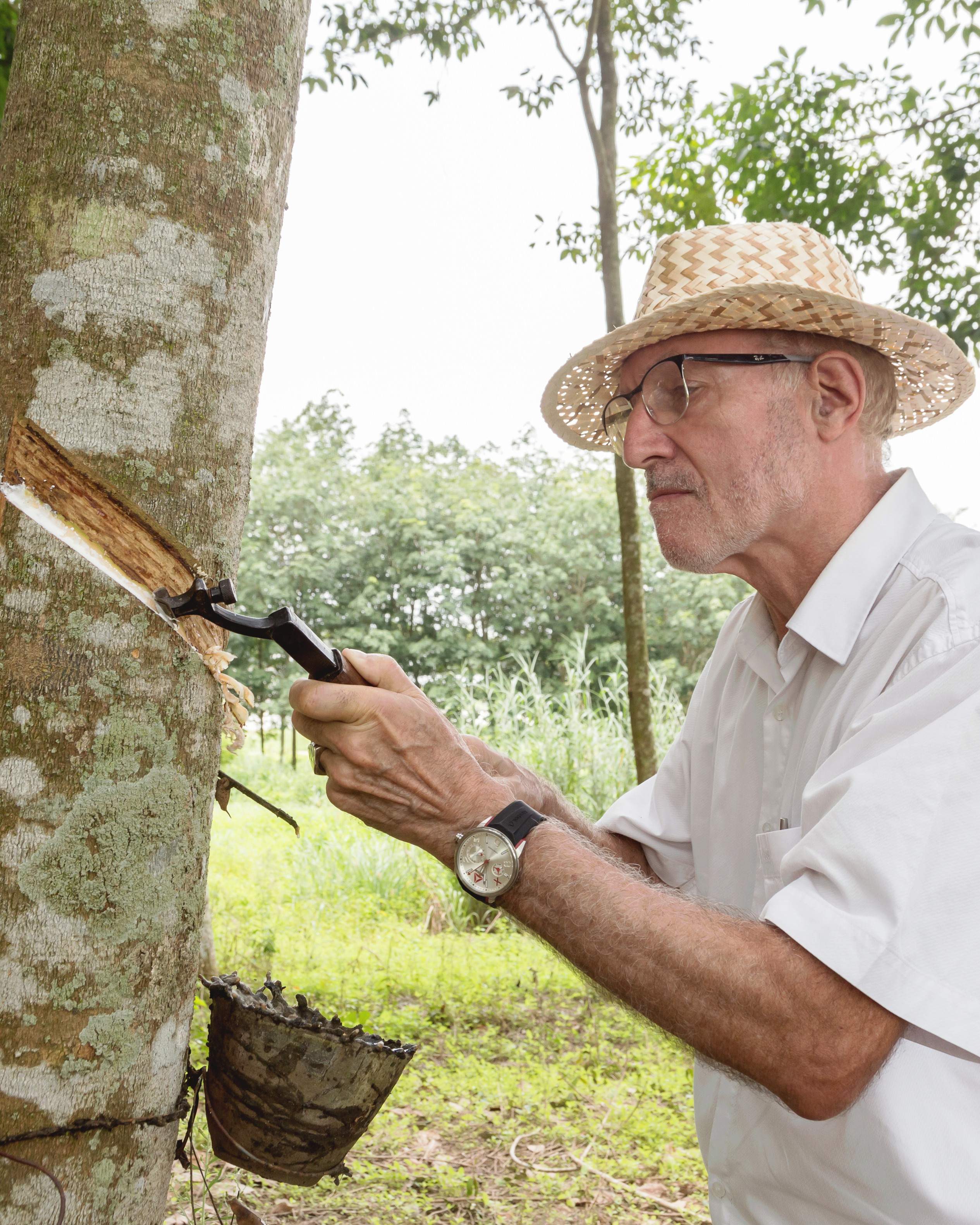
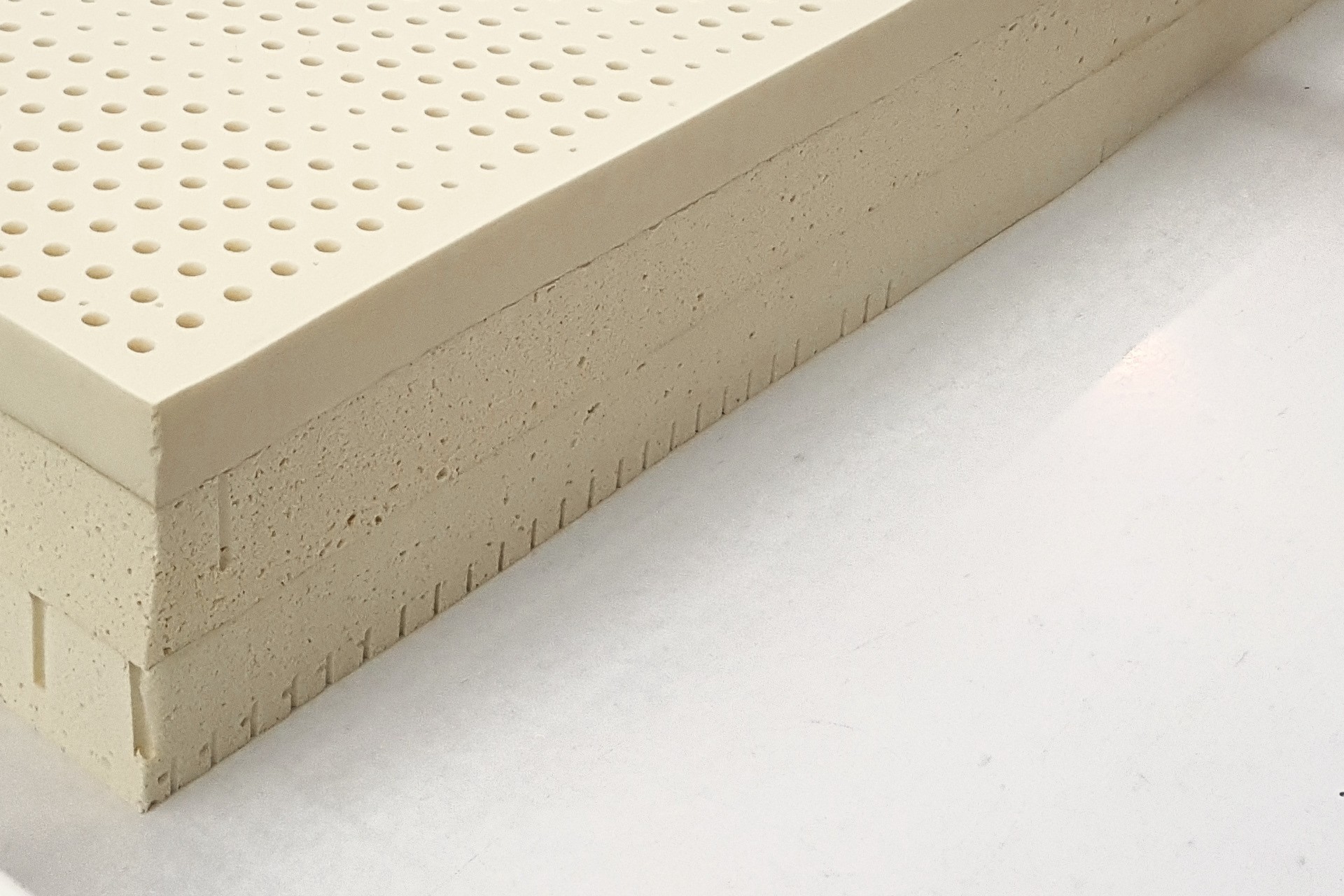
Latex is the milky sap of the rubber tree, Hevea brasiliensis. The tree is tapped at night, when the latex flows best; it runs from a slanting cut in the bark into a cup, and one tree gives it for more than thirty years. In a factory, the sap is beaten with air, poured into moulds and steamed until it sets into a foam.
Natural, synthetic and blended latex
| Type | Made from | What to know |
|---|---|---|
| Natural latex | Sap of the rubber tree | The material this article is about |
| Synthetic latex | Petrochemicals (styrene-butadiene rubber, SBR) | Feels similar, but it is not natural rubber |
| Blended latex | A mix of natural and synthetic | Often sold as “natural latex” without saying how much is natural |
So when a label says “natural latex” without “100%”, it may be a blend. The question to ask is simple: what percentage of the latex is natural?
What “100% natural latex” should mean
- The latex comes entirely from rubber tree sap.
- No synthetic latex is mixed into it.
- The seller can tell you where the latex comes from and show you how it is made.
What the labels check (and what they don’t)
Certifications are useful, but each one checks something different:
- GOLS (Global Organic Latex Standard): for products made from organically grown natural latex. Originally developed by Control Union.
- OEKO-TEX STANDARD 100: tests textiles and their components for harmful substances. It does not say whether a material is natural or organic.
- eco-INSTITUT: a German label that tests products for emissions and pollutants.
A label is only worth something if the seller can show the certificate for the product you are buying. If a brand names a label but cannot show the certificate, ask why.
How to check before you buy
- Ask: “Is it 100% natural latex, or a blend? What percentage?”
- Ask where the latex comes from.
- Ask to see any certificate the seller mentions.
- Press the latex: natural latex foam recovers its shape at once.
- Best of all, lie on it before you buy.
Our latex
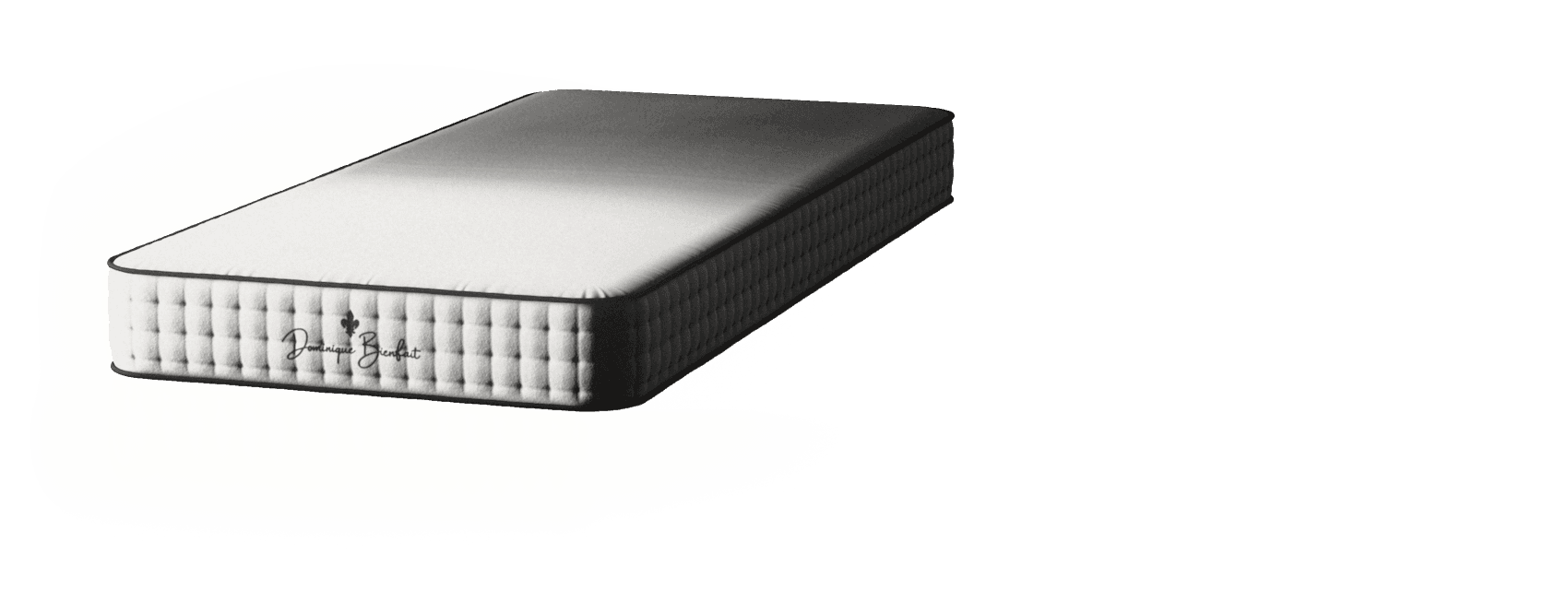
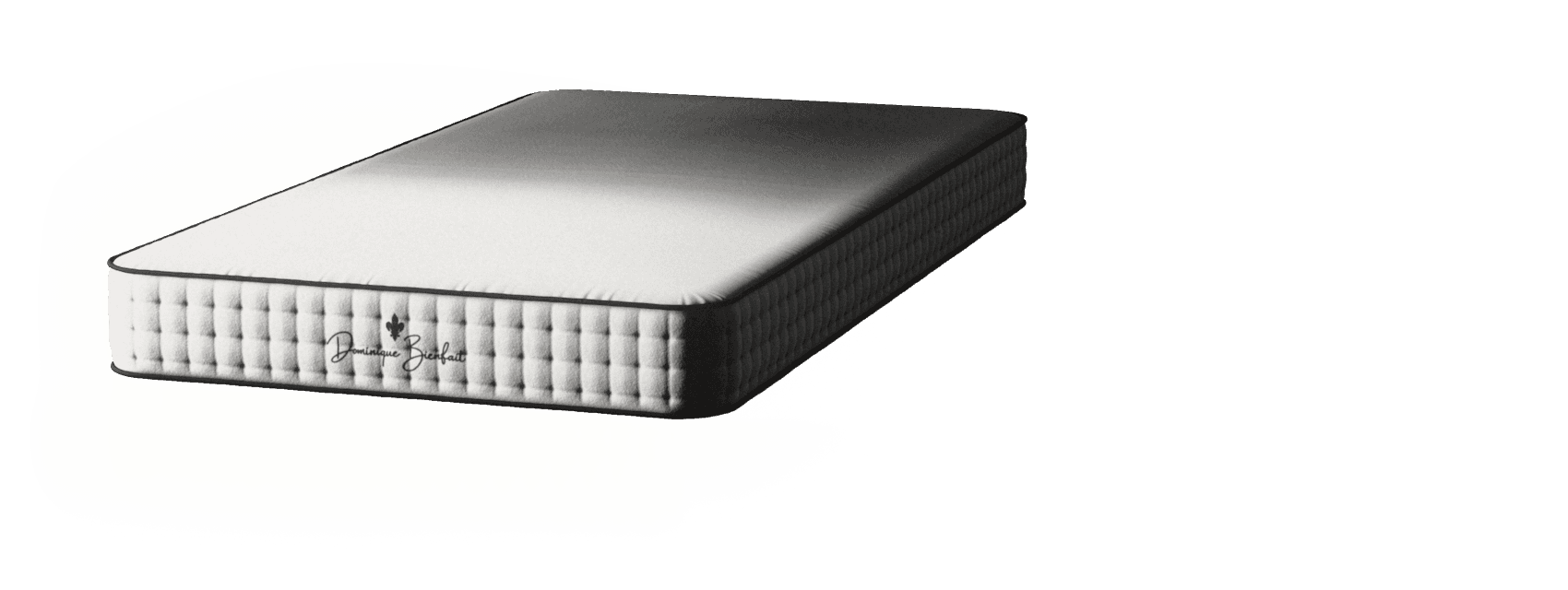
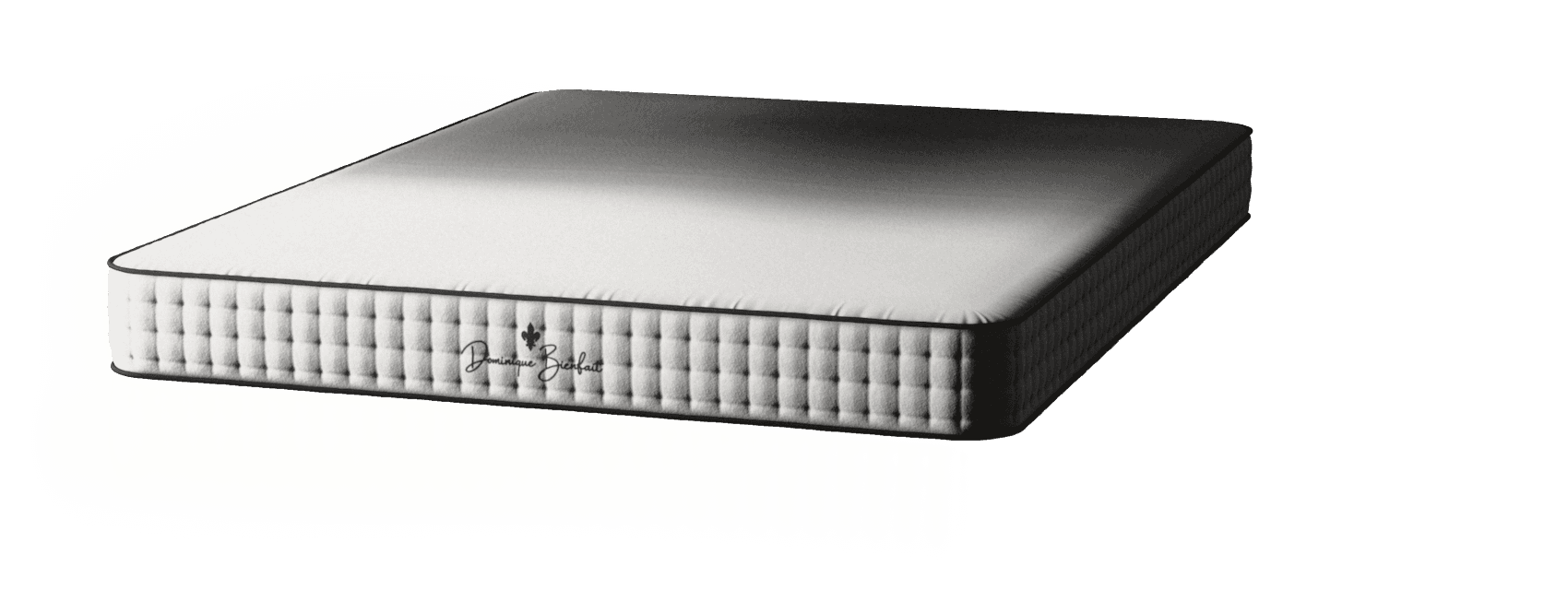
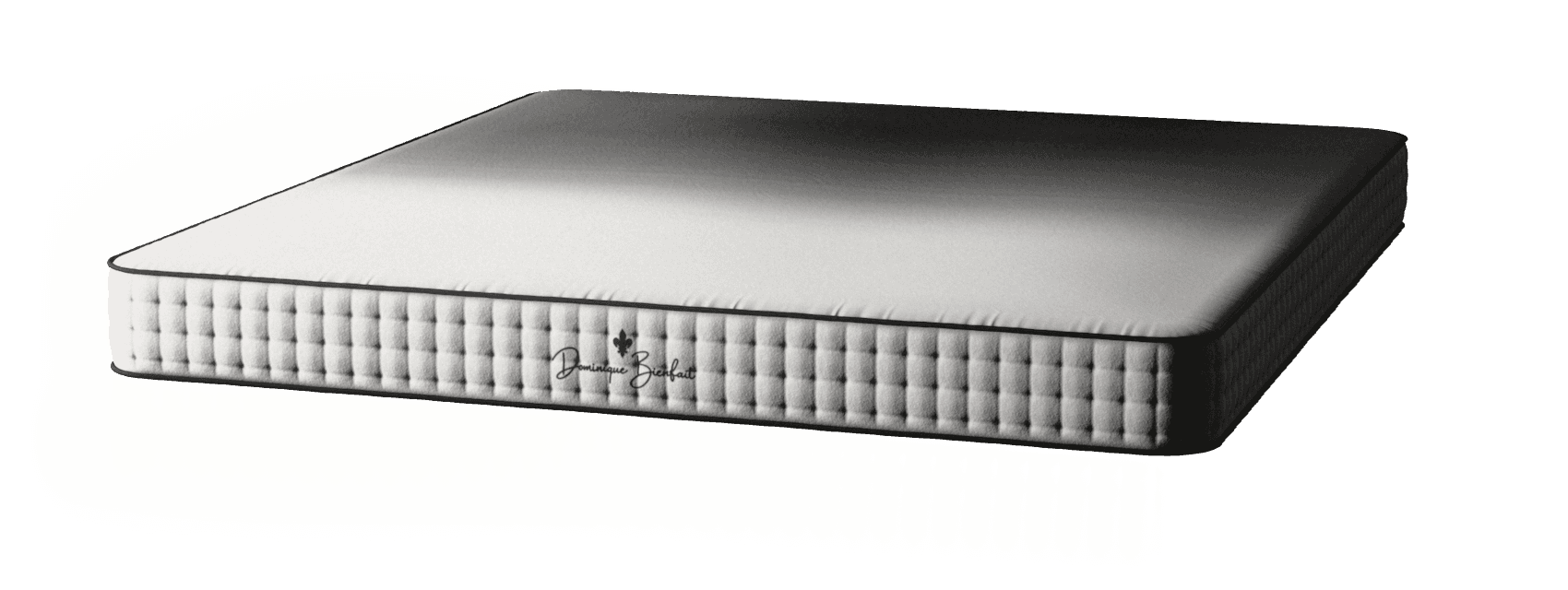
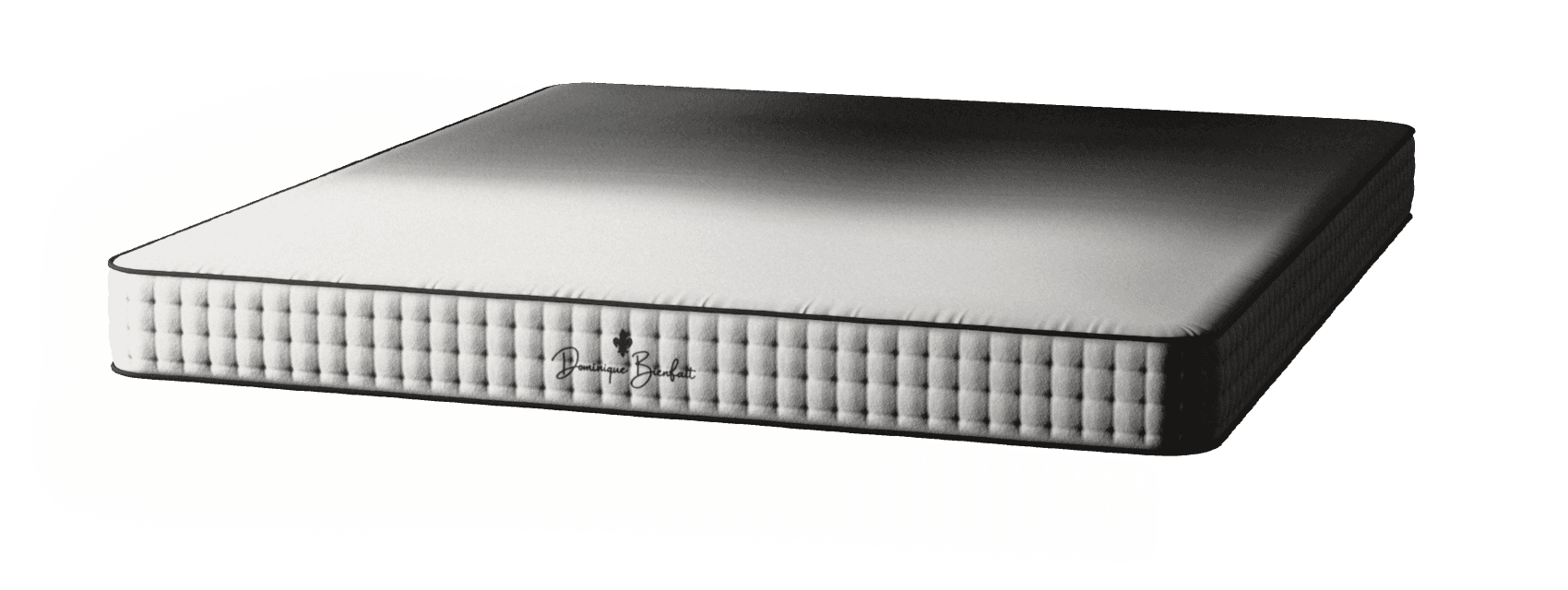
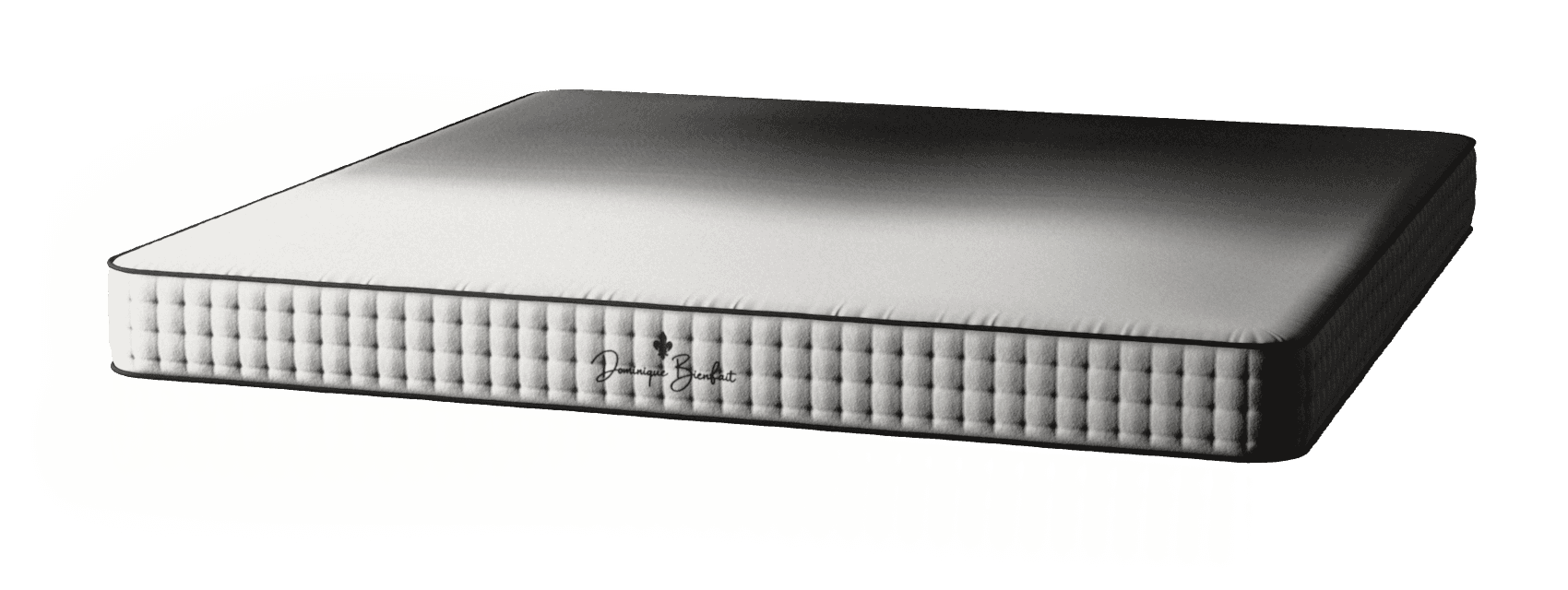
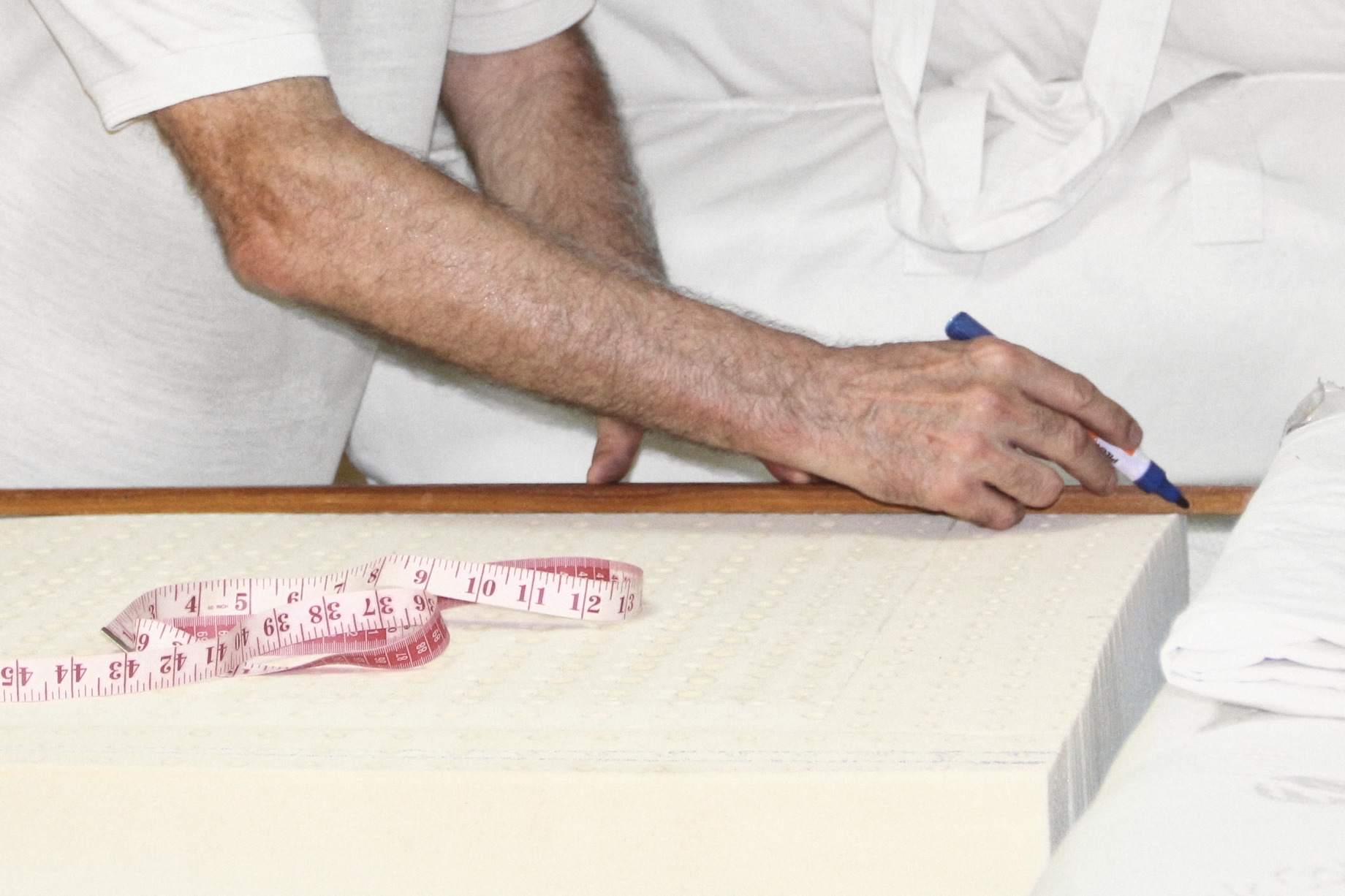
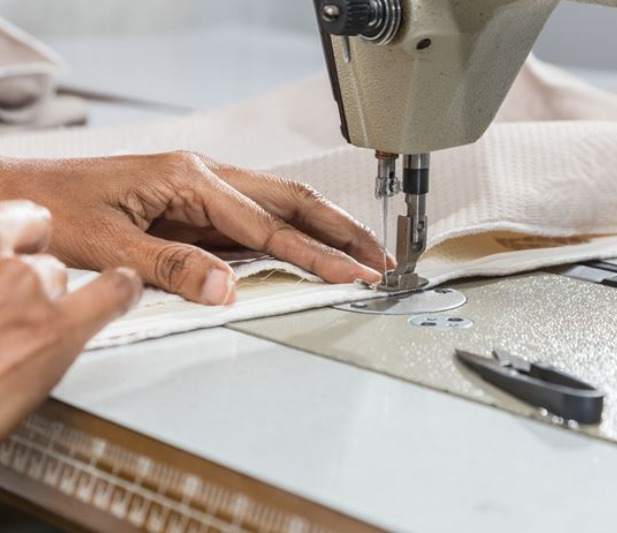
Our mattresses have 100% natural latex at their core, with seven comfort zones: one block straight from the mould in 15 cm, and blocks joined with pure natural latex, with no synthetic glue, from 20 cm. The latex comes from a supplier about two hours from Bangkok, in Thailand, the world’s first producer of natural latex. It is beaten with seven times its volume of air, steamed forty-five minutes in its mould and washed three times; our workshop makes the covers by hand and finishes every mattress. The latex is perforated, so air moves through it, and it carries a 10-year warranty.
See how the latex becomes a mattress, where it comes from, or choose a mattress. The best test is still to lie on one: arrange a visit to our Bangkok showroom.
Questions
Is latex a natural material?
It can be. Natural latex is made from the sap of the rubber tree. Synthetic latex is made from petrochemicals, and blended latex mixes the two, so it depends on the product.
What is natural latex made of?
The sap of the rubber tree (Hevea brasiliensis), whipped with air and set into a foam in a mould.
What is the difference between natural and blended latex?
Blended latex mixes natural latex with synthetic latex. A blend can still be sold as “natural latex”, so ask what percentage of the latex is natural.
How can I check that a mattress is 100% natural latex?
Ask the seller for the percentage of natural latex, where it comes from and the certificate for any label they mention. And lie on it in a showroom before you buy.